

FMC monitoring war’s effect on ocean shipping rates
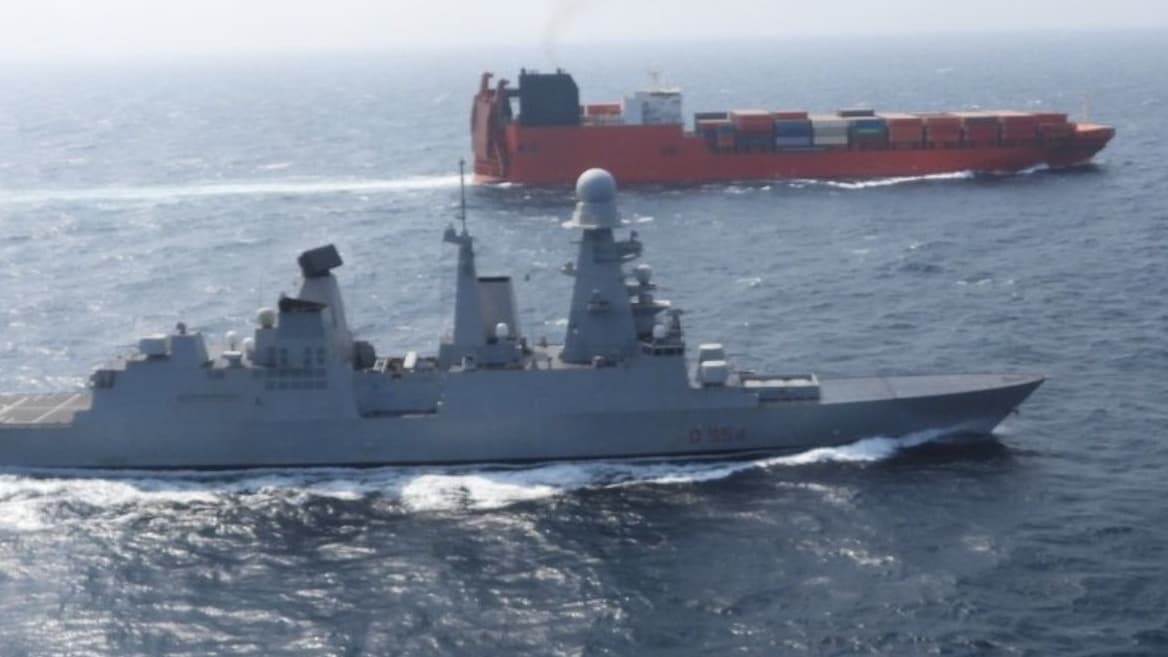
The FMC is actively monitoring ocean shipping rate impacts from the Iran war as of March 2026. Sellers importing goods via ocean freight face potential rate spikes and surcharges with no timeline for resolution.
War-driven shipping disruptions historically trigger carrier-imposed Emergency War Risk surcharges and General Rate Increases within 30-60 days of conflict escalation. Pull your inbound shipment cost reports now and model a 20-40% freight cost increase into your landed cost calculations before repricing.
This fits a pattern of recurring geopolitical supply chain shocks compressing marketplace seller margins, following Red Sea disruptions in 2024-2025. Sellers without buffer inventory or diversified sourcing are most exposed.
Check your freight forwarder's surcharge schedule this week -- if Emergency War Risk or GRI notices appear, update landed costs in your repricer immediately to protect margins.
Within 30 days, negotiate freight rate locks or longer contract terms with your forwarder before spot rates climb.
Bottom Line
Iran war shipping disruptions mean higher landed costs and squeezed margins for importers.
Source Lens
Industry Context
Useful background context, but lower-priority than direct platform, community, or operator intelligence.
Impact Level
medium
Iran war shipping disruptions mean higher landed costs and squeezed margins for importers.
Key Stat / Trigger
No single quantitative trigger surfaced in this report.
Focus on the operational implication, not just the headline.
Full Coverage
Full article available at the original source.
This article does not include enough body copy to render a full editorial reading experience on MarketplaceBeta yet.
Read the original reportingOriginal Source
This briefing is based on reporting from FreightWaves. Use the original post for full primary-source context.
Style
Audience