

Maersk again turned down on request to fast-track emergency fuel surcharge
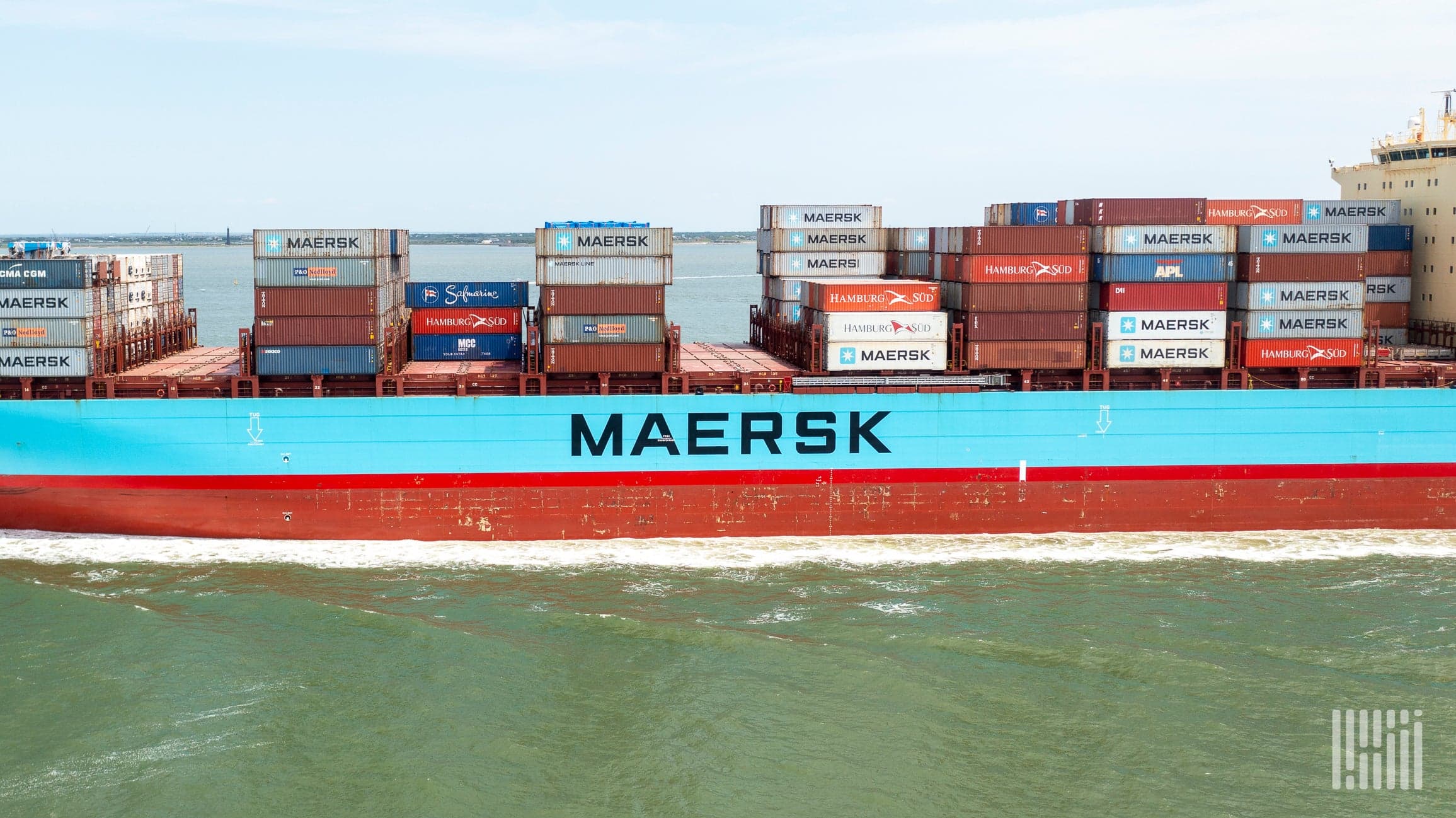
FMC denied Maersk's second request to fast-track emergency fuel surcharges of $400-600 per container due to Iran war disrupting oil supplies. Bunker fuel costs jumped from $509 to $929 per metric ton between Feb-March 2026.
Ocean freight rates already spiked 29% on Asia-US routes, signaling broader shipping cost inflation ahead. Sellers should audit Q2 inventory plans and negotiate fixed shipping rates with 3PLs before carriers implement delayed surcharges in May.
Supply chain disruptions continue driving margin compression for sellers, with regulatory delays providing only temporary relief from carrier cost increases.
Check your FBA shipment costs in Seller Central -- if importing from Asia, budget 25-30% higher ocean freight for Q2-Q3 shipments.
Lock in freight forwarding rates through July before the 30-day notice period expires and surcharges take effect.
Bottom Line
Delayed fuel surcharges mean higher FBA costs coming in May.
Source Lens
Industry Context
Useful background context, but lower-priority than direct platform, community, or operator intelligence.
Impact Level
medium
Delayed fuel surcharges mean higher FBA costs coming in May.
Key Stat / Trigger
$400-600 per container surcharge planned
Focus on the operational implication, not just the headline.
Full Coverage
The Federal Maritime Commission for the second time in a month denied Maersk’s request to waive the notice period to implement an emergency fuel surcharge the carrier says it urgently needs to recoup sharply rising bunker costs from the effects of the Iran war.
In a letter posted on its website, the maritime regulator explained that Maersk (OTC: AMKBY) again failed to establish “good cause” to circumvent the statutory 30-day notice period from publication of the Emergency Bunker Surcharge to when it goes into effect.
The FMC earlier rejected an initial request March 4 by Maersk and other lines to waive the waiting period. Maersk filed a second request March 11. The decision was seen as prudent by some who expressed concern over profiteering during the Iran conflict, particularly by carriers that have recently struggled with weaker rates and falling profits.
“There are people in the [shipping] business who made their fortunes during the ‘Tanker War’ between Iraq and Iran in the Eighties,” an executive told FreightWaves. Maersk reported a profit of $2. 73 billion in 2025.
Maersk in its second filing said that due to the closure of the Strait of Hormuz by Iran that stalled tanker traffic, the price of Very Low Sulfur Fuel Oil (VLSFO) at the world’s 20 busiest ports soared from $509 per metric ton on Feb. 6 to $929 per ton on March 9. “Maersk cannot absorb the full impact of this dramatic increase,” the company wrote.
“Moreover, bunker fuel prices are likely to remain elevated and volatile given the uncertainty of the duration of hostilities and their impact on the price of oil and bunker fuel.”
Maersk In a March 18 statement said that it planned to apply a temporary fuel surcharge of up to $400 per container on long-haul routes, and as much as $600 on refrigerated containers.
FMC Chair Laura DiBella in a March 23 statement said that in seeking special permission to reduce the waiting period, “the carrier should demonstrate how its increased costs are linked to the dollar amount of the proposed surcharge.
An assertion that there are increased costs, without any data on what those costs are, how long they may last, and what steps the carrier is taking to mitigate them, is insufficient in demonstrating good cause.” The FMC on April 1 denied a similar request by carrier Turkon of Turkey. Read more articles by Stuart Chirls here.
Original Source
This briefing is based on reporting from Freightwaves. Use the original post for full primary-source context.
Style
Audience