

Shipping cost pressures intensify for UK ecommerce sellers
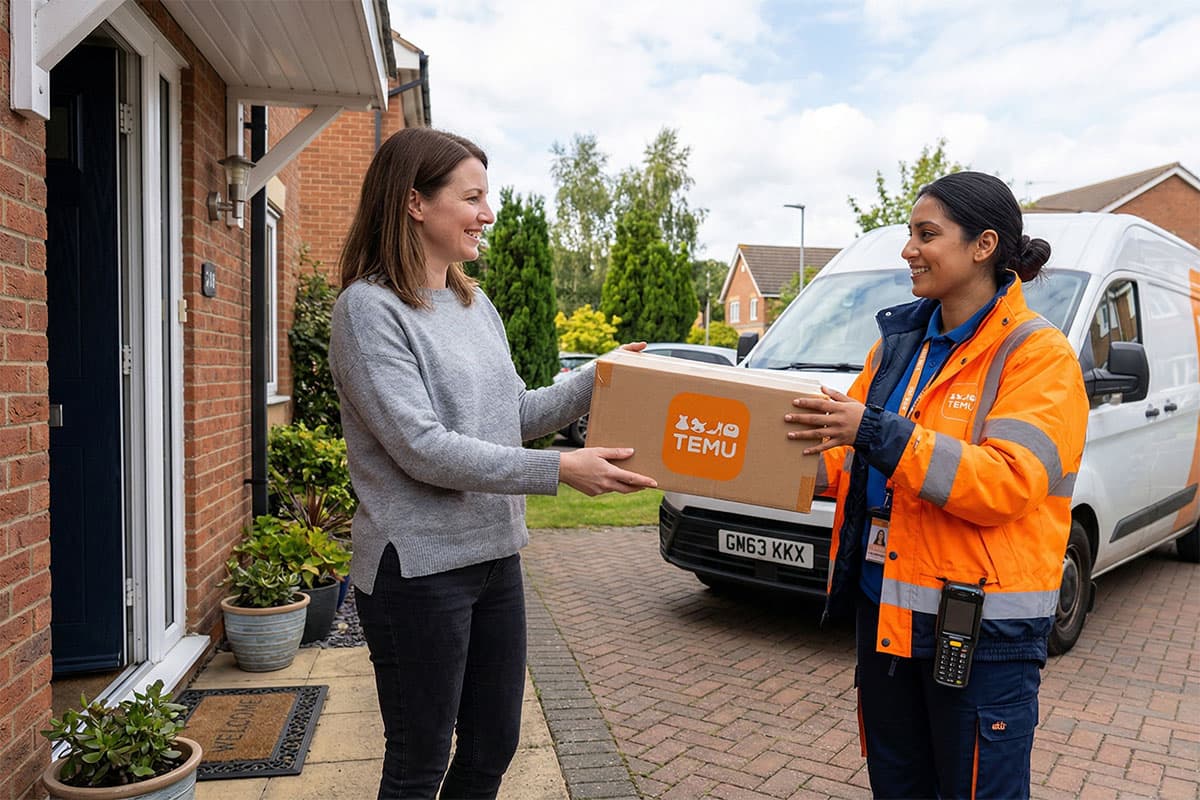
84% of UK/European ecommerce businesses experienced rising last-mile delivery costs, with 39% seeing increases over 10% in the past year. Last-mile now represents 53% of total shipping costs, forcing retailers to absorb costs as 48% of shoppers abandon purchases due to high shipping fees.
Rising shipping costs are squeezing margins across all platforms, not just Shopify stores mentioned in the study. Check your shipping cost percentage of revenue monthly -- if it's above 8-10%, consider switching to integrated shipping tools or renegotiating carrier rates before Q4.
This reflects broader margin compression hitting all ecommerce channels as operational costs rise faster than pricing power, forcing sellers to optimize fulfillment or lose profitability.
Audit your shipping costs as percentage of revenue -- if above 10%, switch to bulk shipping tools or negotiate better carrier rates within 30 days.
Set up integrated shipping solutions now before peak season to avoid absorbing higher costs during Q4 volume spikes.
Bottom Line
53% shipping cost burden means margin compression across all platforms.
Source Lens
Industry Context
Useful background context, but lower-priority than direct platform, community, or operator intelligence.
Impact Level
medium
53% shipping cost burden means margin compression across all platforms.
Key Stat / Trigger
53% of total shipping costs now from last-mile delivery
Focus on the operational implication, not just the headline.
Full Coverage
UK ecommerce businesses are facing mounting pressure on margins as shipping costs continue to rise, with new industry data highlighting the growing financial burden of fulfilment on small and mid-sized retailers.
Recent research shows that 84% of ecommerce businesses across the UK and Europe have experienced rising last-mile delivery costs, with 39% reporting increases of more than 10% in the past year alone. The same study found that nearly four in ten retailers have already seen profits decline as a direct result of these operational pressures.
This is being compounded by structural shifts in the economics of delivery. Industry analysis indicates that the last mile now accounts for over half (53%) of total shipping costs, making it the most expensive and operationally complex stage of fulfilment.
The impact is being felt most among digitally native retailers operating on platforms such as Shopify, where fulfilment sits at the centre of day-to-day operations. With more than 5.
7 million stores globally and over 875 million consumers purchasing from Shopify merchants in 2024, competition continues to increase, placing greater emphasis on operational efficiency and delivery performance. Against this backdrop, UK ecommerce continues to grow at pace.
The market is expected to reach £286 billion by 2025, accounting for a significant share of total retail spend. However, for many sellers, this growth is not translating into improved profitability. At the same time, consumer expectations around delivery are intensifying.
Research shows that 48% of shoppers abandon purchases due to high shipping costs, while 68% actively look for faster delivery options at checkout. This is forcing retailers to absorb more of the cost burden in order to remain competitive, further tightening margins.
Separate industry analysis also highlights that delivery performance has shifted from a back-end operational function to a key competitive differentiator, with retailers under increasing pressure to offer faster, more flexible and transparent delivery options.
Taken together, these trends are reshaping how ecommerce businesses approach fulfilment – moving it from a cost centre into a core driver of customer experience and commercial performance. The delivery environment is a lot tougher than it was even a year ago.
Costs have gone up, expectations around speed and service have increased, and sellers are having to spend more time managing fulfilment than they used to.
What we’re seeing now is businesses taking a much closer look at how they handle shipping day to day – where they can save time, where they can reduce costs, and how they stop it becoming a drain on the rest of the business.
– Ashley Taylor, Commercial Director, Parcel2Go For many small and growing ecommerce brands, the challenge now lies in balancing cost control with customer expectations, particularly as delivery becomes more central to purchase decisions and brand loyalty.
As a result, more sellers, particularly those operating within ecosystems such as Shopify, are turning to integrated shipping tools to simplify fulfilment and reduce operational complexity.
Tools that allow bulk processing, give access to competitive carrier rates and make international delivery easier are becoming increasingly important as businesses look to scale efficiently.
Parcel2Go’s Shopify app is designed to support this shift, bringing together bulk shipping, discounted rates, prepaid credit incentives and Delivered Duty Paid (DDP) international services within a single integration – helping sellers reduce admin, keep costs under control and improve delivery performance as they grow.
With cost pressures expected to continue over the next 12 months, the ability to optimise shipping operations is increasingly being seen as a key lever for sustainable growth in the UK ecommerce market.
Original Source
This briefing is based on reporting from Tamebay. Use the original post for full primary-source context.
Style
Audience