

CMA CGM sets new Hormuz land bypass routes
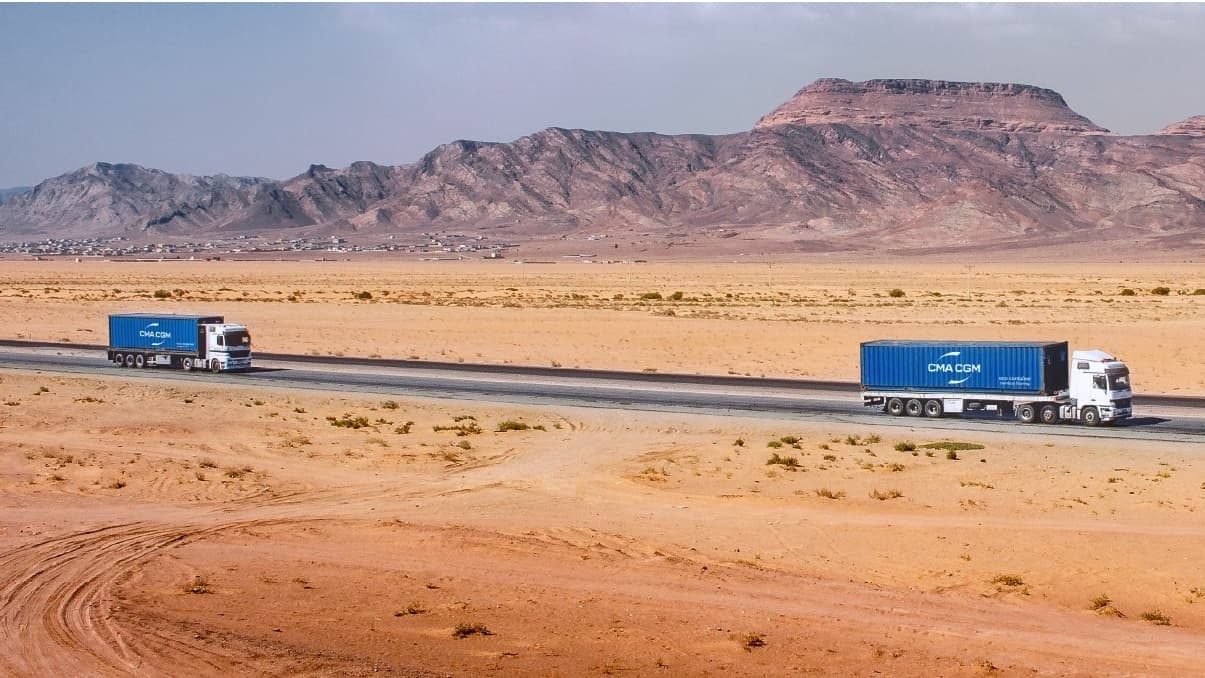
CMA CGM launched emergency multimodal bypass routes (sea/rail/road) around the Strait of Hormuz after Iran restricted access following a Feb. 28 Israeli-U.S. strike, trapping hundreds of ships. Sellers sourcing from or shipping to the Middle East, plus anyone importing goods routed through Persian Gulf transit hubs, face immediate delays and cost spikes.
Longer transit times and emergency routing premiums will hit landed costs for any SKU touching Middle East supply chains — expect 2-6 week delay extensions and freight surcharges passed down by forwarders. Sellers should pull inventory velocity reports now and identify which ASINs have under 60 days of cover before raising reorder points.
This is a classic supply shock event — limited strait access signals sustained freight rate volatility, which compounds existing margin compression for sellers already absorbing platform fee increases and ad cost inflation.
Check your forwarder's routing for any shipments through UAE, Qatar, Kuwait, or Saudi Arabia — if routed via Hormuz, rebook through Jeddah or Khor Fakkan corridors immediately to avoid indefinite holds.
In the next 30 days, build a 45-90 day buffer stock plan for Middle East-sourced or Middle East-transiting SKUs and lock in air freight quotes as a contingency before rates spike further.
Bottom Line
Hormuz blockade means freight delays and surcharges for Middle East-sourced inventory.
Source Lens
Industry Context
Useful background context, but lower-priority than direct platform, community, or operator intelligence.
Impact Level
medium
Hormuz blockade means freight delays and surcharges for Middle East-sourced inventory.
Key Stat / Trigger
Hundreds of ships trapped since Feb. 28 Iran Hormuz closure
Focus on the operational implication, not just the headline.
Full Coverage
French container line CMA CGM is deploying alternative multimodal solutions combining sea, rail, and road transport to maintain supply chain logistics around the restricted Strait of Hormuz.
The Marseilles-based carrier said the options prioritize the safety of crew and employees while mobilizing support for customers’ supply chains, and ensuring continuity of trade to and from the Middle East. Iran has restricted access to the strait guarding entry to the Persian Gulf since shortly after being attacked Feb. 28 by Israel and the United States.
Hundreds of ships have been trapped, threatening energy supplies and other commodities, and sending global prices soaring. Though physically 20 miles wide, Hormuz only offers single-file passage in and out through two mile-wide channels. Only ships from China, India and Turkey have been granted access by Tehran.
Some individual vessels have reportedly made a run for it under cover of night with their identification systems turned off.
CMA CGM’s plans include deployment of multiple alternative transport solutions and strategic entry points for Gulf-bound flows connecting the United Arab Emirates, Saudi Arabia, Oman, Iraq, Qatar, Bahrain, Kuwait, and Jordan via the ports of Khor Fakkan and Fujairah (UAE), Sohar (Oman), and Jeddah (Saudi Arabia).
From these ports, CMA CGM offers logistics corridors to serve the main hubs in the UAE (Khalifa, Jebel Ali, Sharjah), and other countries bordering the Arabian Gulf via a combination of regional road and maritime transport. Six Gulf countries will be connected by road and rail routes from ports located outside the strait.
From Jeddah on the Red Sea, CMA CGM has established road corridors, with or without maritime connections, for onward delivery to Saudi Arabia (Dammam), the UAE, Qatar, Bahrain, Kuwait, and Iraq. “This setup also allows flows to connect to the Mediterranean and Asia without exposure to the strait,” the company said in a statement.
Omani ports also provide a third major alternative route for regional and cross-border flows to the UAE and northern Gulf countries, combining road and feeder services. (Map: CMA CGM) Read more articles by Stuart Chirls here.
Original Source
This briefing is based on reporting from FreightWaves. Use the original post for full primary-source context.
Style
Audience