

Indiana’s new CDL rule pushes ahead on English proficiency
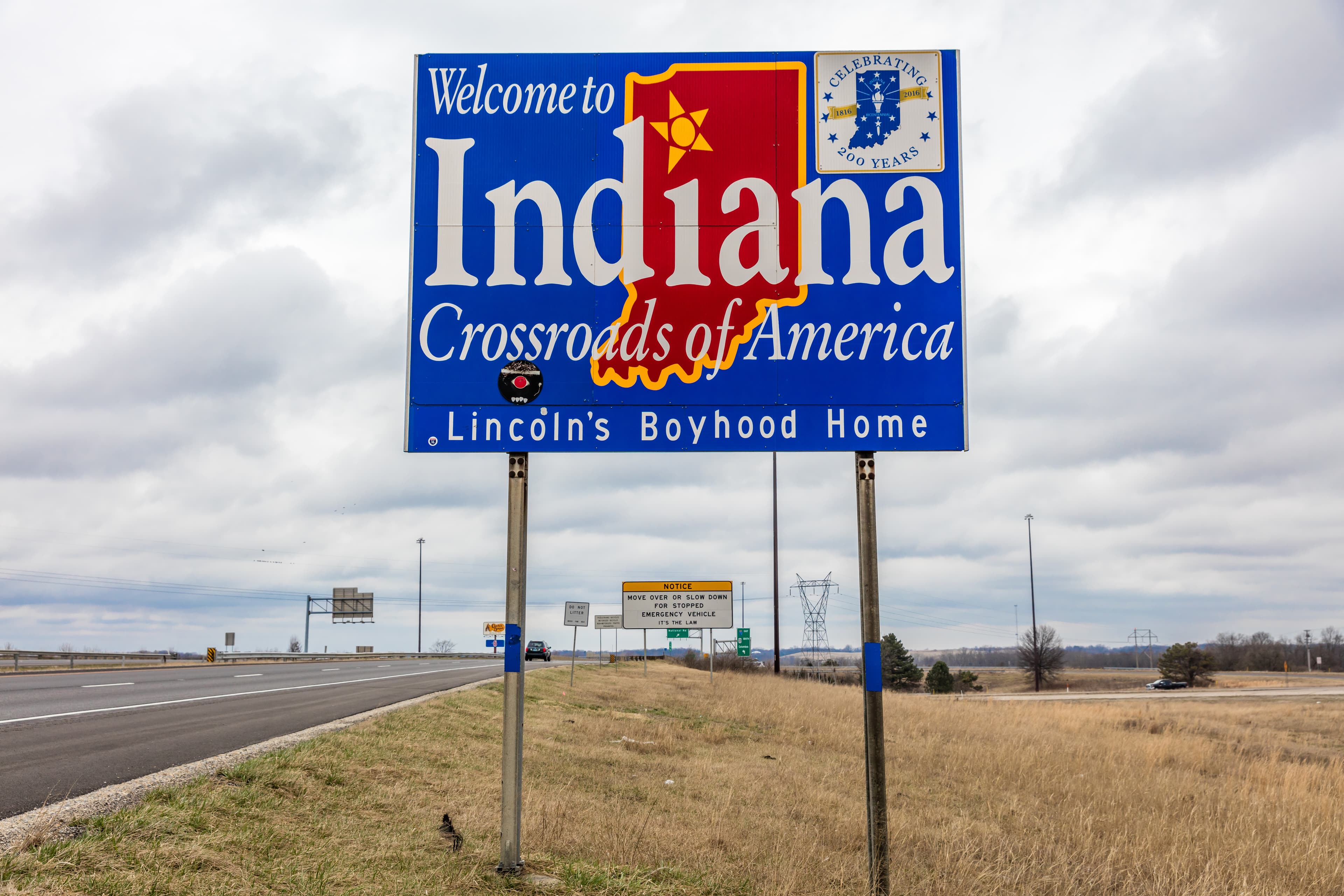
Indiana's HB 1200 took effect April 1, revoking CDLs for ~2,000 non-domiciled holders and requiring English proficiency for all new CDL applicants. Businesses knowingly hiring drivers with revoked licenses face $50,000 fines.
This tightens the regional trucking labor pool in Indiana and neighboring states, which could squeeze last-mile and freight capacity for sellers using Midwest fulfillment centers or 3PLs. Monitor carrier rates and transit time SLAs with your 3PL or freight broker if you ship through Indiana.
Part of a broader regulatory shift toward stricter CDL standards nationally — more states are following. Sellers relying on lean regional freight networks should expect tighter capacity and potential rate pressure as supply of qualified drivers narrows.
Check your 3PL or freight partner's carrier network exposure to Indiana-based CDL drivers — ask directly if they've assessed compliance impact on capacity.
In the next 30 days, audit inbound/outbound freight routes through Indiana and get backup carrier quotes if your primary relies heavily on regional owner-operators.
Bottom Line
Indiana CDL crackdown shrinks Midwest trucking pool, risking freight delays for sellers.
Source Lens
Industry Context
Useful background context, but lower-priority than direct platform, community, or operator intelligence.
Impact Level
medium
Indiana CDL crackdown shrinks Midwest trucking pool, risking freight delays for sellers.
Key Stat / Trigger
$50,000 fine for businesses knowingly hiring drivers with revoked CDLs
Focus on the operational implication, not just the headline.
Full Coverage
Indiana moved out ahead of other states in restricting CDL ownership based on language proficiency and residency, and the results of that are being implemented beginning Wednesday.
Indiana’s legislature passed through both houses, later signed by Governor Mike Braun, a bill that would require English proficiency and restrict CDL ownership by existing non-domiciled holders of the permit. That restriction on the non-domiciled holders took effect Wednesday, April 1.
The bill, which came into existence as House bill 1200, is believed to move the Hoosier State further along than any other states in cracking down on the issues of language proficiency and residence for CDL holders.
Gary Langston, president of the Indiana Motor Truck Association, said in an interview with FreightWaves that the state’s Bureau of Motor Vehicles had begun sending letters to about 2,000 non-domiciled CDL holders in the middle of March, soon after the law was signed, notifying them that their licenses would be immediately revoked on April 1.
That date comes into play because the law says the motor vehicles bureau will yank a CDL 15 days after when the bureau mails a revocation notice to the CDL holder. Given that the mail to the first recipients went out in mid-March, April 1 would meet the 15-day requirement.
Some letter recipients may be OK Langston noted that the motor vehicles agency compiled that list from its records. It was possible, he said, that some of those letter recipients already had become domiciled by obtaining citizenship or some other more permanent residency.
The law does allow a non-domiciled CDL holder who is seeing their license disappear to apply for another; it does not shut the door on that reapplication. Langston added that there were exemptions in the bill for H2A, H2B and E2 visa holders. But unless they met that requirement if also being non-domiciled, they would need to seek a separate CDL.
Non-domiciled defined in the law includes both foreign-born drivers and those from another state.
The English language proficiency section of the Indiana law says the CDL holder must be able to sufficiently Converse with the general public Understand highway traffic signs and signals in the English language Respond to official inquiries Make entries on reports in records It also requires that the test for obtaining a CDL be taken in English or American Sign Language.
Big fines for violations If the law is broken, an individual driving without a valid CDL license, even if obtained prior to the law’s creation, is subject to a fine of $5,000. But a business that knowingly hires that individual faces a fine of $50,000.
LIke any law, the revocation does not immediately take the driver off the road if they want to press their luck. “If they choose not to stop driving, and which as we already know there’s a lot of gambling going on in there, they’re going to have to get caught,” Langston said.
Langston rattled off names of other states that he said are working toward laws similar to Indiana. His state got ahead of the others, he said, because its legislative session for 2026 already is complete. (Iowa took a step forward Tuesday on its own version of a law regarding English proficiency).
Almost unanimous There was little opposition to the laws as they went through the legislative process, Langston said. There were nothing more than scattered no votes at either the committee or full legislature levels. The English language requirement puts Indiana ahead of federal efforts on the same issue.
Among other steps FMCSA and the Department of Transportation are taking against non-English speakers, “chameleon carriers” and fly-by-night CDL mills, the Department of Transportation says it is moving to require all CDL tests be given in English, like what Indiana is doing in its new law.
“I’m always happy when policy passes that is going to improve safety and make our highways more safe,” Langston said. “This has been a problem for a long time and this should have been addressed before now, but I’m very thankful that it is being addressed now, both at the state and federal level.”
More articles by John Kingston DEF sensors no longer required on trucks, other diesel equipment: EPA Louisiana staged truck accident scheme: next sentencings likely postponed again ATA sought compensation in Rhode Island trucking tolls case; it got nothing The post Indiana’s new CDL rule pushes ahead on English proficiency appeared first on FreightWaves.
Original Source
This briefing is based on reporting from Freightwaves. Use the original post for full primary-source context.
Style
Audience