

Iran war costing Hapag-Lloyd $40-50 million per week: CEO
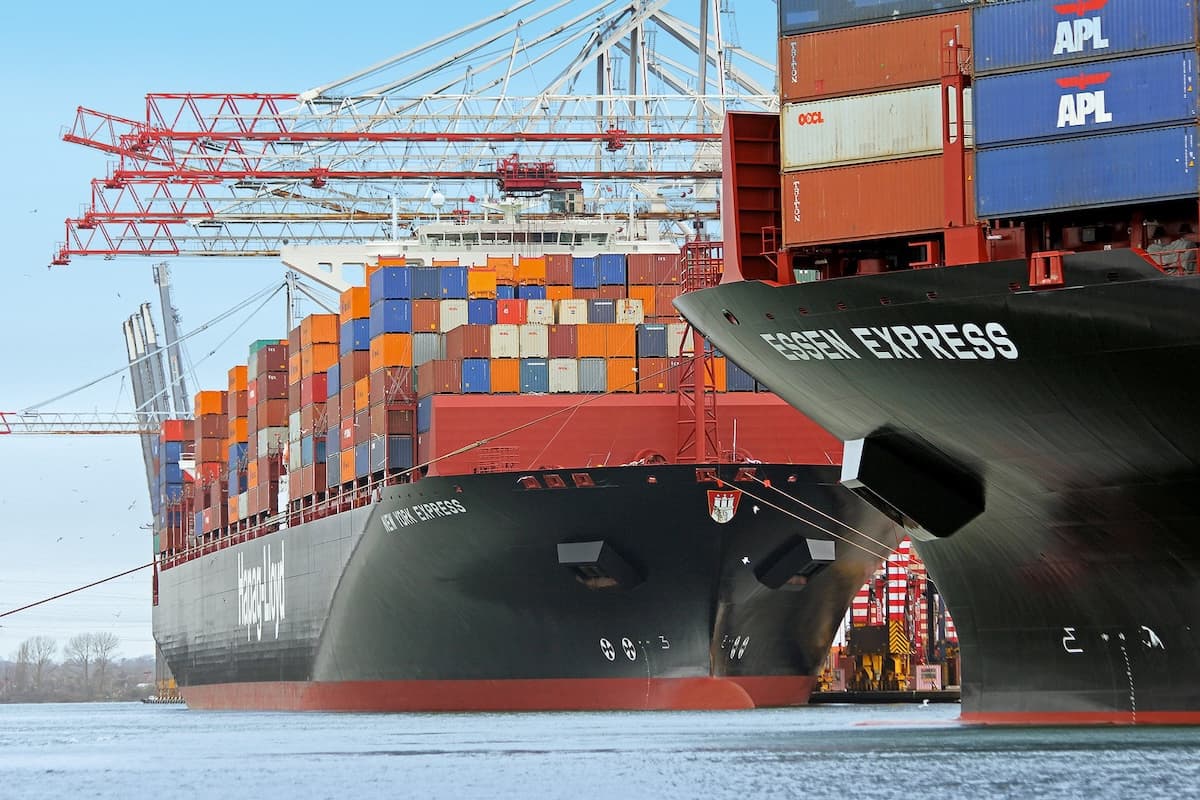
Hapag-Lloyd is spending $40-50M/week extra due to the U.S.-Iran war, with 6 ships trapped in the Persian Gulf and Red Sea-Suez routes expected to remain closed through 2026. Emergency surcharges are being passed down the supply chain to importers.
Sellers sourcing from Asia face a compounding cost hit: longer transit times via Cape of Good Hope plus rising carrier surcharges on top of existing tariff pressure. Pull your landed cost model now and reprice or renegotiate freight contracts before Q3 inventory buys.
This extends the Red Sea disruption crisis into a second major chokepoint, compressing margins for Asia-sourcing sellers at the same time tariffs are elevated -- a dual squeeze that accelerates the shift toward nearshoring and domestic inventory buffers.
Check your freight invoices for new 'contingency' or 'emergency' surcharges from carriers -- if present, update your COGS in your repricer or margin tracker immediately to avoid selling at a loss.
In the next 30 days, contact your freight forwarder to lock in rates for Q3 shipments before surcharges escalate further; also audit which SKUs have thin margins under extended Asia-to-US transit times of 30+ days.
Bottom Line
Iran war shipping surcharges hit Asia importers now -- reprice SKUs immediately.
Source Lens
Industry Context
Useful background context, but lower-priority than direct platform, community, or operator intelligence.
Impact Level
high
Iran war shipping surcharges hit Asia importers now -- reprice SKUs immediately.
Key Stat / Trigger
$40-50M per week in added costs for Hapag-Lloyd with Red Sea closure expected through all of 2026
Focus on the operational implication, not just the headline.
Full Coverage
The U. S. -led war in Iran is costing Hapag-Lloyd $40 million to $50 million per week, its chief executive said, as fuel, insurance and other costs skyrocket during the conflict. The world’s fifth-largest container line also has six ships trapped in the Persian Gulf as Iran chooses which vessels can safely transit the Strait of Hormuz.
“Costs are increasing sharply.
If we look at the impact that this has on us, then we talk easily about $40 million or $50 million per week that we are facing at this point in time,” said Hapag-Lloyd CEO Rolf Habben Jansen, on an earnings call, “mainly related to bunker [fuel], but also insurance costs are up significantly and so are costs related to storage and in some cases also inland transportation.”
He said the carrier has introduced contingency and emergency charges to recover those expenses, but said any return is typically delayed. The German company on Thursday said operating profit fell to $3. 5 billion from $4. 9 billion in 2025 on higher costs and excess capacity. The company is monitoring the war’s effect on fuel supplies.
“We are definitely looking into that, because we also see that there is potentially a risk of shortage,” said Habben Jansen. “Asia is not one of our biggest bunkering locations, but it is certainly something to keep an eye on.”
The carrier has been forced to suspend services not only through Hormuz, but through the Red Sea-Suez Canal route, where Houthi militia in Yemen have threatened to resume attacks on shipping in support of Iran.
Habben Jansen said the company has six ships stuck in the Persian Gulf with total capacity of 25,000 twenty foot equivalent units, or feeder-sized vessels that typically shuttle between ports. The liner has been unable to call ports inside the Gulf but still calls Salalah in Oman and Jeddah in Saudi Arabia.
He said around 50% of Hapag-Lloyd’s contract freight to the region is exposed to disruptions. “I think right now it would not have been right to assume that the Red Sea opens up soon,” he said. “The scenario where that remains largely closed for 2026, I think is right now the most realistic.” Read more articles by Stuart Chirls here.
Original Source
This briefing is based on reporting from Freightwaves. Use the original post for full primary-source context.
Style
Audience