

War disruptions raise distributors’ costs and delay B2B shipments
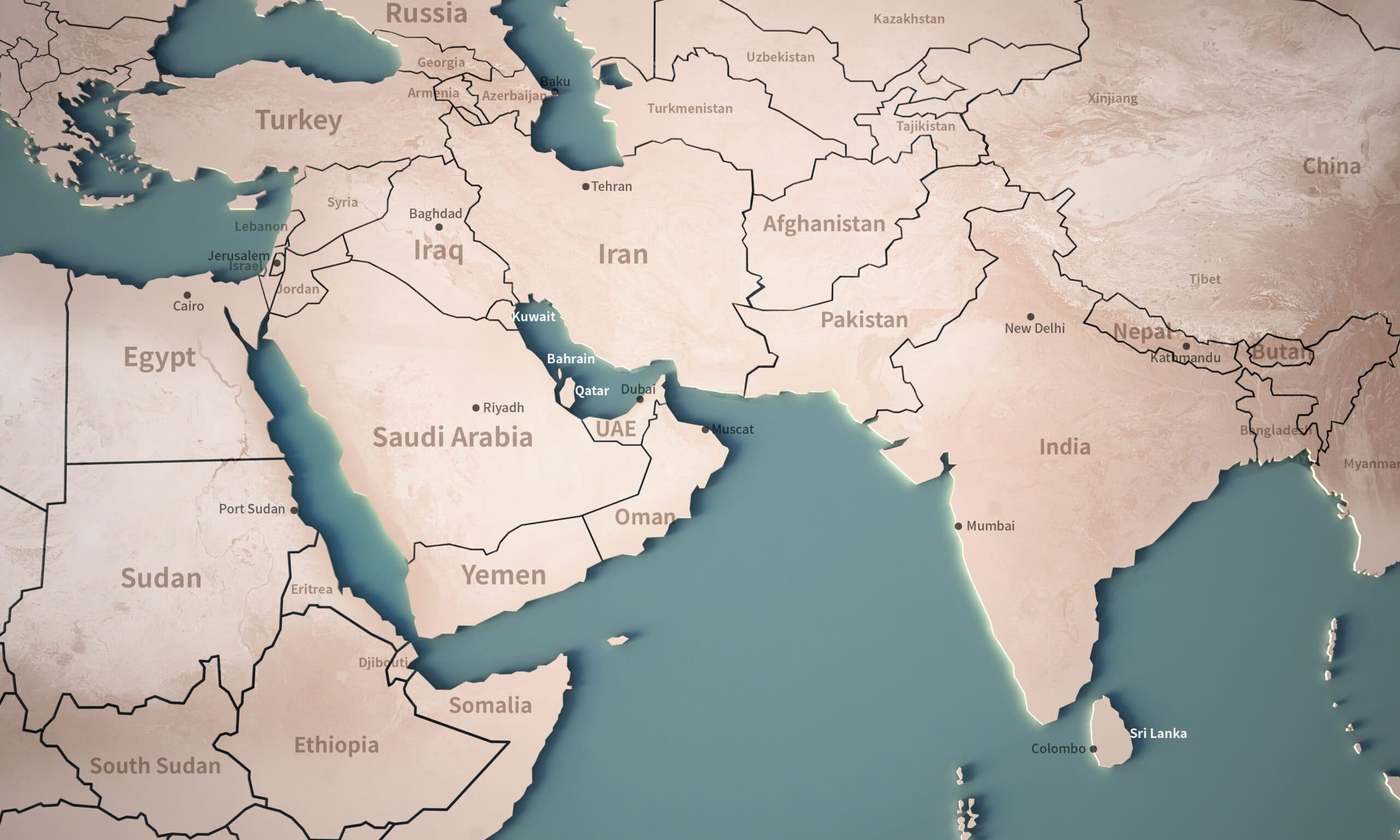
U.S.-Israel war with Iran (ongoing since early March 2026) has pushed oil above $100/barrel and slowed Strait of Hormuz shipping, raising freight costs and delaying B2B inventory replenishment. Marketplace sellers dependent on overseas suppliers face longer lead times and unpredictable stock availability.
The non-obvious risk: sellers who auto-replenish via 3PL or distributor feeds will see stockouts hit before cost increases do — demand signals won't adjust fast enough. Pull your Inventory Health Report on Amazon or Walmart Seller Center now and manually extend lead time buffers by 2-3 weeks on any SKU sourced through Middle East or Asia-Pacific sea lanes.
This accelerates the margin compression trend already squeezing marketplace sellers post-tariff cycles — sellers without domestic backup suppliers or safety stock will face a compounding stockout-plus-freight-cost squeeze that benefits well-capitalized brands able to absorb volatility.
In Amazon Seller Central > Inventory > Restock Inventory, increase lead time on affected SKUs by 15-21 days -- if your supplier ships via sea through Hormuz or Indian Ocean routes, a stockout in 30-45 days is already likely.
Within 30 days, negotiate buffer stock agreements or secondary domestic supplier contracts for top-10 revenue SKUs to avoid losing Buy Box during extended delays.
Bottom Line
Hormuz disruptions mean imminent stockouts and margin hits for import-dependent sellers.
Source Lens
Analyst Intelligence
Research or editorial analysis that adds market context beyond the official announcement.
Impact Level
high
Hormuz disruptions mean imminent stockouts and margin hits for import-dependent sellers.
Key Stat / Trigger
Oil above $100 per barrel as of mid-March 2026
Focus on the operational implication, not just the headline.
Full Coverage
The U. S. and Israel’s war with Iran has continued for more than two weeks, disrupting key global trade routes and pushing oil prices above $100 per barrel. Shipping through the Strait of Hormuz — a critical artery for energy and container traffic — has slowed as security risks rise, prompting carriers and manufacturers to adjust operations.
The disruption is beginning to affect B2B ecommerce. Distributors and manufacturers depend on predictable transit times, stable freight costs and accurate inventory availability to fulfill digital orders. News War escalation raises shipping costs and delivery risks for B2B sellers Mark Brohan | Mar 13, 2026
Original Source
This briefing is based on reporting from Digital Commerce 360. Use the original post for full primary-source context.
Style
Audience