Rising raw material costs are hitting everything from stickers to foil
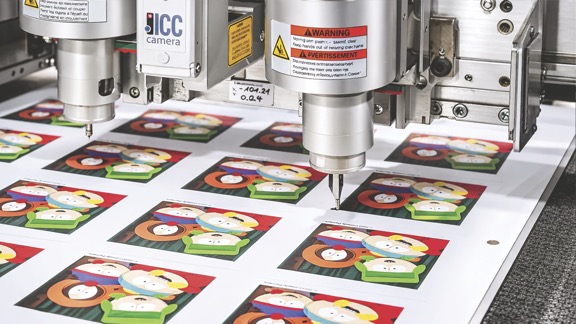
Vinyl prices up 6% in 2026, PVC hit record highs in April, and Reynolds Consumer Products expects $400M in incremental commodity costs this year — all driven by oil price spikes and Strait of Hormuz disruptions affecting aluminum supply. Brands selling plastic-packaged goods, stickers, signage, flooring, foil, and any oil-derivative products face direct COGS pressure now.
This is part of the broader margin compression cycle squeezing marketplace sellers from both sides — rising input costs and platform fee increases — accelerating the shift toward automation and domestic sourcing as competitive moats.
Brands that haven't renegotiated supplier contracts or locked in commodity pricing in Q3 will absorb margin compression heading into Q4 peak. Pull your COGS variance report now — if packaging or raw material costs have crept 5%+ since January, your current price floor is already wrong.
Operational Impact
This story may require teams to revisit workflows, monitoring, or platform assumptions.
Bottom Line
Oil-driven material costs up 6%+ mean Q4 margins shrink unless sellers reprice now.
Source Lens
Industry Context
Useful background context, but lower-priority than direct platform, community, or operator intelligence.
Impact Level
medium
Oil-driven material costs up 6%+ mean Q4 margins shrink unless sellers reprice now.
Key Stat / Trigger
$400M in incremental commodity costs expected by Reynolds Consumer Products in 2026
Focus on the operational implication, not just the headline.
Full Coverage
Supply Chain Shakeup // August 31, 2026 Rising raw material costs are hitting everything from stickers to foil By Melissa Daniels Below is the latest edition of Modern Retail’s Supply Chain Weekly newsletter, which goes out on Mondays at 10 a. m. ET and dives into all things logistics and supply chain during a tumultuous time for the retail industry.
To receive this weekly in your inbox, click here. Product manufacturers are feeling pressure to protect their margins as raw material costs are climbing across the board, specifically for products like vinyl, resin or PVC that rely on oil.
Ontario-based Sticker You, founded in 2008, specializes in making custom stickers with the key differentiator of no minimum order quantities. But vinyl, one of its key materials, has gone up in price this year due to rising oil prices following the war in Iran. Vinyl prices are up nearly 6% in 2026, after a 2. 9% rise last year and a 1.
8% increase the year before that, per federal data sources. Founder and CEO Andrew Witkin said Sticker You has been able to insulate itself from the recent price spikes in part by relying on automated retouching software that helps it process orders faster.
It also employs both domestic and international workers who can use the software, allowing the company to have workers processing orders 17 hours a day. “We’ve created some more innovative software to allow that process to be more automated and more seamless, and that has reduced the amount of labor touch time on those files,” he said.
“They get just as improved and just as looked at as before, but we’ve done it in a more automated fashion.” Being able to handle small, fast orders has helped the company offset cost pressures without raising prices. So far this year, the company is averaging double-digit sales growth, keeping pace with the last several years.
Witkin also said having multiple suppliers has helped insulate the company from cost pressures. Ever since the disruptions in supply chains caused by the Covid-19 pandemic, Sticker You has looked to have two, if not three, places to source from. Additionally, Sticker You’s manufacturing hubs are domestic, which Witkin said helps keep transport costs low.
As of late August, Witkin said the company’s products wouldn’t likely be affected by the new Canada-U. S. trade deals. “In the custom business, especially when the quantities are reasonable and you’re not making millions of something, domestic production has the big advantage,” he said.
Sticker You’s case is just one example of how a company is handling the widespread pressure of raw material price increases this year, particularly those that rely on oil-based derivatives. PVC prices, for instance, hit record highs in April, which affects industries that make signage or flooring.
Oil-based resins may be driving up prices for companies in a variety of sectors that rely on plastic packaging, such as Mattel and Procter & Gamble. While not an oil derivative, aluminum prices are also surging due to shutdowns at the Strait of Hormuz that have limited supply.
Reynolds Consumer Products, which owns brands like Hefty and Reynolds, said during its second-quarter earnings in July that it expects approximately $400 million of incremental commodity costs this year.
CFO Nathan Lowe said on the company’s earnings call that that’s up from the company’s $200 million estimate reported in April due to more recent changes in commodity prices. Reynolds has leaned into pricing changes to make up the difference, meaning aluminum foil is more expensive than it used to be.
But CEO Scott Huckins said the category’s performance is still in line with past years.
“We attribute the resilience of our performance in the foil category to both our strategy of more frequent but smaller pricing changes and the fact that Reynolds Wrap consumers use foil for many applications across cooking, prep, storage and portability, resulting in a lack of one-for-one product substitutability,” Huckins said, according to a transcript.
Similarly, cooler company Yeti has had to deal with higher prices for stainless steel, magnets and resins that go directly into its products. CEO Matthew Reintjes said the raw material cost pressures come on top of ocean and parcel headwinds, plus shipping delays across some Asia trade lanes.
In response, the company is looking to further diversify its supply chain. “We’ve taken proactive steps to reduce risk, including qualifying additional raw material sources, further diversifying our supply chain and scaling our structural enterprise productivity programs,” he said, according to a transcript.
Witkin from Sticker You said his company has weathered the increase so far through strategies like automation, supply chain diversity and domestic production, but there’s still only
Audit your Amazon/Walmart pricing floor settings today — if vinyl, PVC, resin, or aluminum are in your supply chain, reprice before Q4 or watch margins erode at peak volume.
Identify 2-3 alternative suppliers for any oil-derivative inputs within 30 days; single-source dependency is the highest-risk position given current commodity volatility.
Original Source
This briefing is based on reporting from Modern Retail. Use the original post for full primary-source context.
Style
Audience