Will Royal Mail Deliver Marketplace Standards?
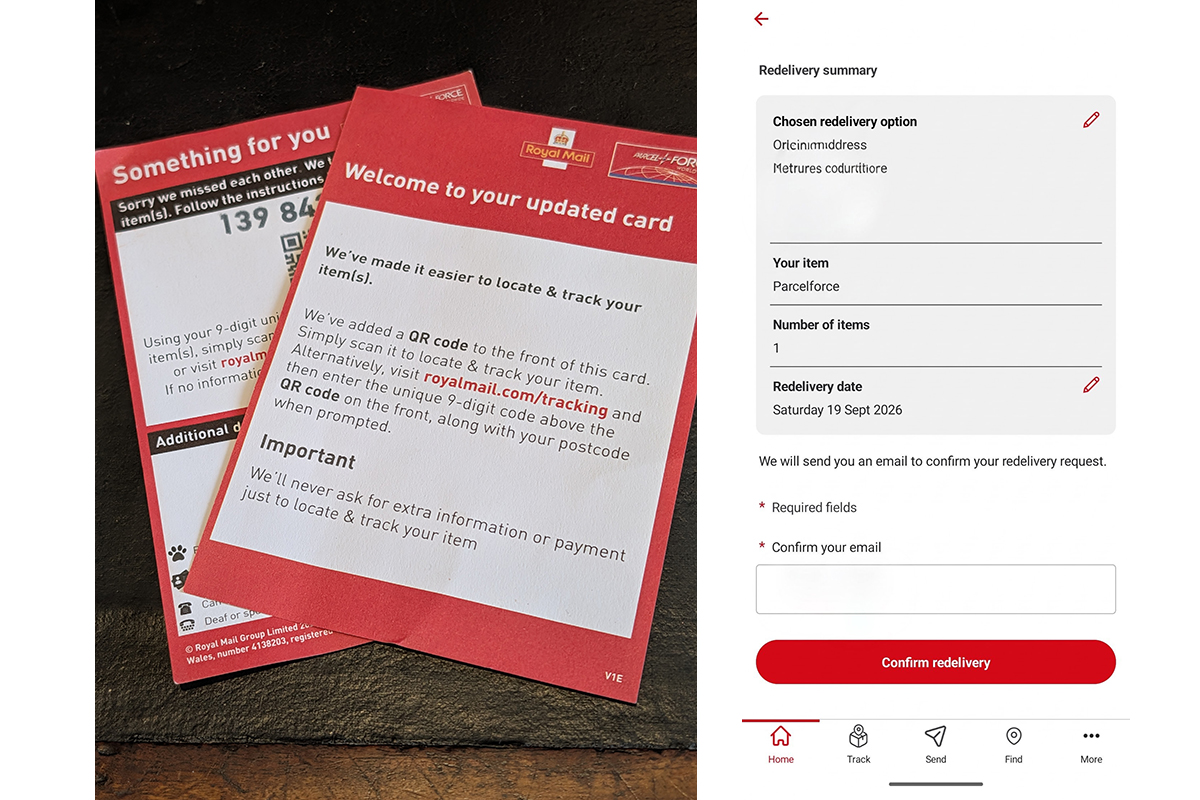
Royal Mail's claims process for lost items is deliberately complex, requiring redundant data entry and returning no-reply acknowledgements with no claim context. eBay sellers dealing with international shipment losses face a 2-month wait with no trackable email thread.
Carrier friction is an underreported margin leak for marketplace sellers — as shipping costs rise, claims abandonment becomes a structural profitability issue that compounds at scale.
Carriers that make claims painful are effectively taxing your shrinkage rate — sellers who don't build a systematic workaround (like auto-forwarding acknowledgements with tracking context) absorb losses silently. Audit your Royal Mail claim win rate against total lost parcel incidents to quantify the real cost.
Operational Impact
This story may require teams to revisit workflows, monitoring, or platform assumptions.
Bottom Line
Royal Mail's broken claims process silently erodes eBay seller margins.
Source Lens
Industry Context
Useful background context, but lower-priority than direct platform, community, or operator intelligence.
Impact Level
low
Royal Mail's broken claims process silently erodes eBay seller margins.
Key Stat / Trigger
No single quantitative trigger surfaced in this report.
Focus on the operational implication, not just the headline.
Full Coverage
I don’t think Rm will ever change it’s ways. It’s done well by bringing things in to the 21st century like click and drop, and if you compare to the original DMO (I think it was called), it’s amazing. But when you want things solved, it’s a whole different ball game. An example is a claim for a lost item.
You go to the section on the website and scroll to find the correct button for claims, then through a multitude of data entries like YOUR TITLE, name and address are NOT necessary but mandatory as the tracking number will be able to identify that information. Lots of other data to enter and finally proof of cost price IE Invoice.
BUT, the fun doesn’t stop there. Once you get the acknowledgement, there’s a reference. Great BUT it’s a “do not reply” from email address AND there’s nothing in the email acknowledgement about what the claim is for.
So if you have an international claim, what I have to do is forward the acknowledgement to myself with the actual tracking link and then snooze for two months. If I get a response within that time then it will usually just show the reference and from there I can search to find the tracking number and then look in to what it was about.
If there was an email thread from the start it would be so much easier, but, I FEAR, it’s all by design to make it as difficult and complex as possible so people will give up or not bother in the first place. Luckily, some of us work out ways to make it slightly less painful! There are workarounds to most things, but finding them takes precious time. Reply
Create a dedicated claims tracking spreadsheet logging Royal Mail reference numbers alongside tracking IDs immediately on acknowledgement receipt — without this, resolution is untraceable across 60-day windows.
In the next 30 days, document your average Royal Mail claim resolution rate and compare to DPD or Evri alternatives to build a data-backed case for carrier diversification.
Original Source
This briefing is based on reporting from Tamebay. Use the original post for full primary-source context.
Style
Audience