

PepsiCo improves sustainable sourcing, delays emissions reporting
The company reported a four percentage point increase in sustainably sourced ingredients in 2025 but has yet to document Scope 3 emissions metrics.
Source Lens
Industry Context
Useful background context, but lower-priority than direct platform, community, or operator intelligence.
Impact Level
medium
Use this briefing to decide whether your team needs an immediate workflow, policy, or reporting change.
Key Stat / Trigger
No single quantitative trigger surfaced in this report.
Focus on the operational implication, not just the headline.
Full Coverage
An article from Dive Brief PepsiCo improves sustainable sourcing, delays emissions reporting The company reported a four percentage point increase in sustainably sourced ingredients in 2025 but will release Scope 3 emissions metrics later this summer.
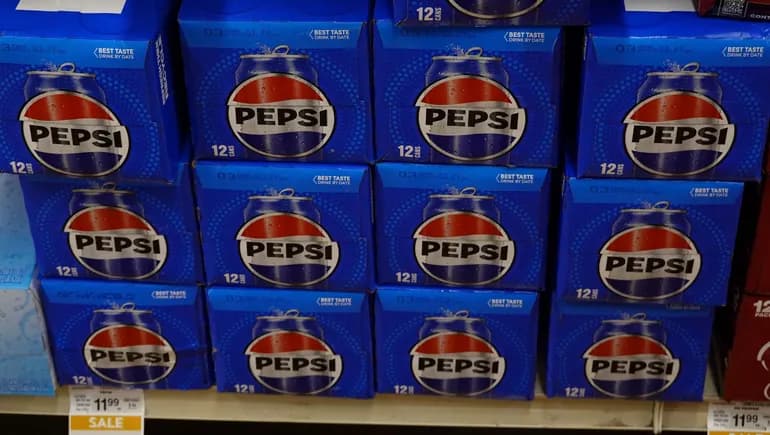
Published July 14, 2026 • Updated 2 hours ago Phil Neuffer Lead Editor Share Copy link Email / Print License Add us on Google Packages of Pepsi are displayed on a store shelf on Oct. 9, 2025, in San Anselmo, California. The company adjusted its sustainability goals in 2025, including clawing back its 2030 target for sustainable sourcing.
Justin Sullivan via Getty Images Listen to the article 3 min This audio is auto-generated. Please let us know if you have feedback. Dive Brief: PepsiCo made gains in sustainable sourcing after adjusting its sustainability program’s targets last year, according to an annual report from the food giant published this month.
The Doritos maker said 70% of its ingredients were sustainably sourced in 2025, up from 66% the year prior. The company defines an ingredient as sustainably sourced if they make up more than 0. 01% of annual supply volume and clear a structured risk assessment process.
PepsiCo is pursuing a goal of having 90% of ingredients sourced sustainably by 2030, when it also aims to have roughly 10% of remaining volumes actively progressing toward more sustainable practices. In 2025, approximately 2% of volumes met that criteria.
Dive Insight: PepsiCo, which has published an annual report evaluating its sustainability efforts for more than 10 years, adjusted its goals and methodology last year. The revamped targets included lowering the threshold for success on sustainable sourcing.
Prior to last year’s adjustments, PepsiCo aimed to source 100% of ingredients sustainably by 2030, including key crops from third parties. The company adjusted the goal “to what we have confidence we can achieve, while retaining aspiration to make progress on 100% of our key ingredients,” it said in a press release.
Key ingredients that qualify as sustainably sourced include rice, cornmeal, coconuts, raisins, tomatoes, cocoa, palm oil and cane sugar, per the company’s 2025 guidelines. PepsiCo is also still aiming for deforestation-free sourcing by 2030 and will release data for this area in October.
However, it did report spreading regenerative agricultural practices to 4. 7 million acres in 2025, up from 3. 5 million the year prior. The company aims to reach 10 million acres by 2030. The company also reworked its emissions targets in 2025, specifically lowering its target for Scope 3 reductions by 2030 to 30% from 40%.
The company plans to release all climate-related data by the end of the summer, a company spokesperson told Supply Chain Dive. In last year’s report, the company said it had reduced Scope 3 emissions by 12% compared with a 2022 baseline.
PepsiCo isn’t the only consumer packaged goods company that faced uneven performance across its sustainability emissions in 2025. General Mills hit on certain targets, such as for waste and water use, but also retrenched when it came to emissions reductions.
Meanwhile, Kenvue surpassed its goal for reducing virgin plastic use in packaging but failed to meet a target of making all packaging recyclable or refillable by 2025. Editor's note: This story was updated to note when PepsiCo aims to release a deforestation report and emissions metrics.
Recommended Reading PepsiCo expanding autonomous truck use in its supply chain By Alejandra Carranza • June 11, 2026 PepsiCo uses digital twins to trial plant changes By Antone Gonsalves • Jan. 20, 2026 PepsiCo tests combined snack, beverage warehousing to cut costs By Antone Gonsalves • Nov.
18, 2025 Add us on Google Share Copy link Email / Print License Filed Under: Risk and Resilience, Procurement, Manufacturing
Original Source
This briefing is based on reporting from Supply Chain Dive. Use the original post for full primary-source context.
Style
Audience