

Fuel surcharges push parcel shipping rates near record high
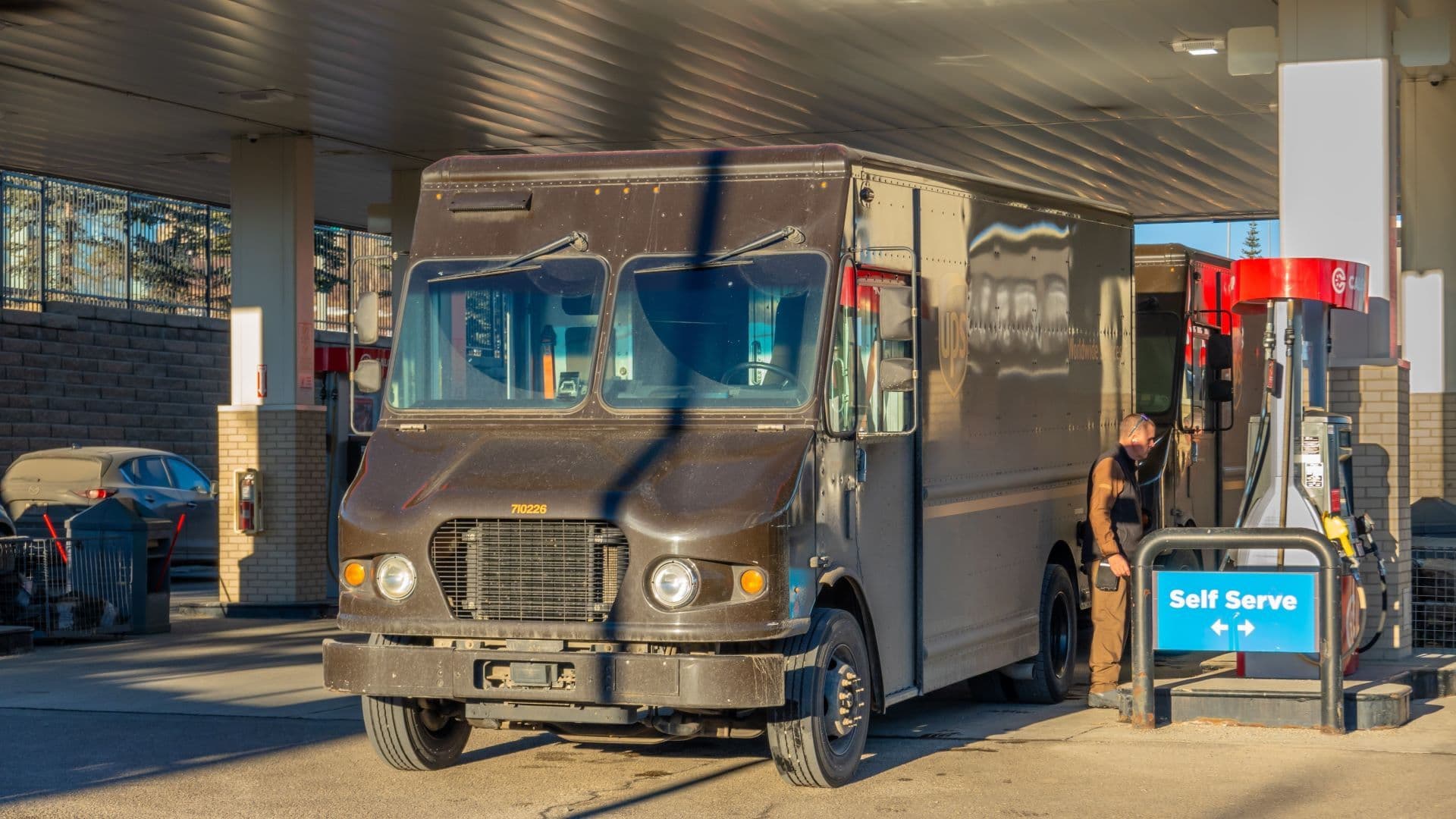
Fuel surcharges continue to be a major component in rising parcel shipping rates, especially as FedEx and UPS jigger with their tables to maintain revenue even if fuel prices go down. The post Fuel surcharges push parcel shipping rates near record high appeared first on FreightWaves.
Source Lens
Industry Context
Useful background context, but lower-priority than direct platform, community, or operator intelligence.
Impact Level
medium
Use this briefing to decide whether your team needs an immediate workflow, policy, or reporting change.
Key Stat / Trigger
No single quantitative trigger surfaced in this report.
Focus on the operational implication, not just the headline.
Full Coverage
The express parcel rate per package sequentially climbed 5. 9% in the second quarter driven by elevated fuel surcharges, higher billed weight and a rise in premium service, and is expected to rise 11% year over year in the current period, according to a latest benchmark report from AFS Logistics and TD Cowen investment bank released on Tuesday.
The TD Cowen/AFS Freight Index for express parcels is projected to reach a record high of 15. 8% above the 2018 baseline in the third quarter, although the per-package price will only tick up 0. 3% from the April-June period. Meanwhile, ground parcel rates are expected to increase 5.
2% year over year, putting the sector on track to make 2026 the year with the highest cost per package on record. After hitting a record high of 42. 4% above the baseline, the ground parcel rate per package index is projected to ease in line with seasonal trends, falling 2. 6% quarter over quarter to 38. 7%.
Carriers have responded to rising diesel and jet fuel costs stemming from the Iran war, and its impact on crude oil prices, with escalating surcharges. Fuel surcharges in the second quarter rose 65. 4% year over year, reflecting the rise in fuel prices and careers’ fuel surcharge adjustments, the report said.
(Source: TD Cowen/AFS Logistics Freight Index) Fuel surcharges remain a cornerstone of FedEx and UPS pricing strategy, with collections from surcharges exceeding expenditures and acting as a profit center.
A major reason fuel surcharges continue to rise is that the big carriers continue rewriting the formula for calculating the fee, ensuring that fuel surcharge revenue holds firm even as actual diesel prices eventually fall, the TD Cowen/AFS Logistics report said.
If diesel falls to $4 per gallon, shippers will still pay more than a 24% fuel surcharge, compared to just 21% under last year’s tables. In the second quarter, spiking diesel prices translated into average net fuel surcharge per package increasing 40% year over year, according to TD Cowen/AFS Logistics. Fuel prices, however, are on their way back up.
The resurgence of hostilities between the United States and Iran over the weekend caused the retail diesel price to jump 22 cents to $4. 79 per gallon on Monday after a nine-week decline, although prices are still lower than they were four weeks ago.
Discount levels also declined from the first to second quarter, with both FedEx (NYSE: FDX) and UPS (NYSE: UPS) tightening pricing, a reversal of the first-quarter dynamic of FedEx offering deeper discounts and UPS tightening pricing. In the express arena, FedEx employed deeper discounts while UPS kept pricing higher.
Parcel shipping costs also increased during the quarter after FedEx and UPS adjusted pricing formulas to bill more parcels at a higher weight class and because of growth in more lucrative next-day services.
Both FedEx and UPS have pulled back from low-revenue, last-mile B2C deliveries to focus on high-margin, premium B2B segments, such as healthcare, and specialized e-commerce delivery, as the cost of operating end-to-end delivery networks exceeds what many retailers are willing to pay.
(Source: TD Cowen/AFS Logistics Freight Index) Shippers, weary from repeated rounds of fuel surcharges the past two years, including broad demand surcharges that don’t are routinely implemented even when demand growth is not surging, and accessorial charges, are increasingly switching to Amazon and smaller, alternative carriers that don’t impose surcharges to the same degree as major carriers like FedEx and UPS.
Regional and last-mile carriers, such as OnTrac, GLS, Spee-Dee, Veho and UniUni, more than doubled their volumes from 2024 to 2025, according to the Pitney Bowes parcel shipping report in June. Alternative carriers now represent 7. 2% of the market, up from 3. 4%. Most of the share gain came at the expense of UPS, which saw its volume fall from 34% to 31.
6%. Amazon, the U. S. Postal Service and FedEx volumes had relatively flat volumes, year over year, Pitney Bowes said.
“This shifting carrier landscape is a welcome development for shippers who have long sought relief from two dominant players that seemingly moved in lockstep,” said Mingshu Bates, president of parcel and chief analytics officer, AFS Logistics, in a news release accompanying the report..
“But capitalizing on these savings opportunities requires managing significant complexity, both in terms of navigating a carrier landscape with highly variable service offerings and geographic reach.” AFS Logistics helps businesses negotiate and manage parcel contracts, as well as providing freight payment auditing services.
Click here for more FreightWaves/American Shipper stories by Eric Kulisch. Write to Eric Kulisch at ekulisch@freightwaves. com.
RELATED STORIES: Proliferation of parcel delivery surcharges drives up shipping rates Price of Forever stamp reaches 82 cents Postal Service moves half of long-distance mail by air just to satisfy UPS contract The post Fuel surcharges push
Original Source
This briefing is based on reporting from Freightwaves. Use the original post for full primary-source context.
Style
Audience