How Dibs Beauty uses heat maps to optimize its Ulta Beauty presence
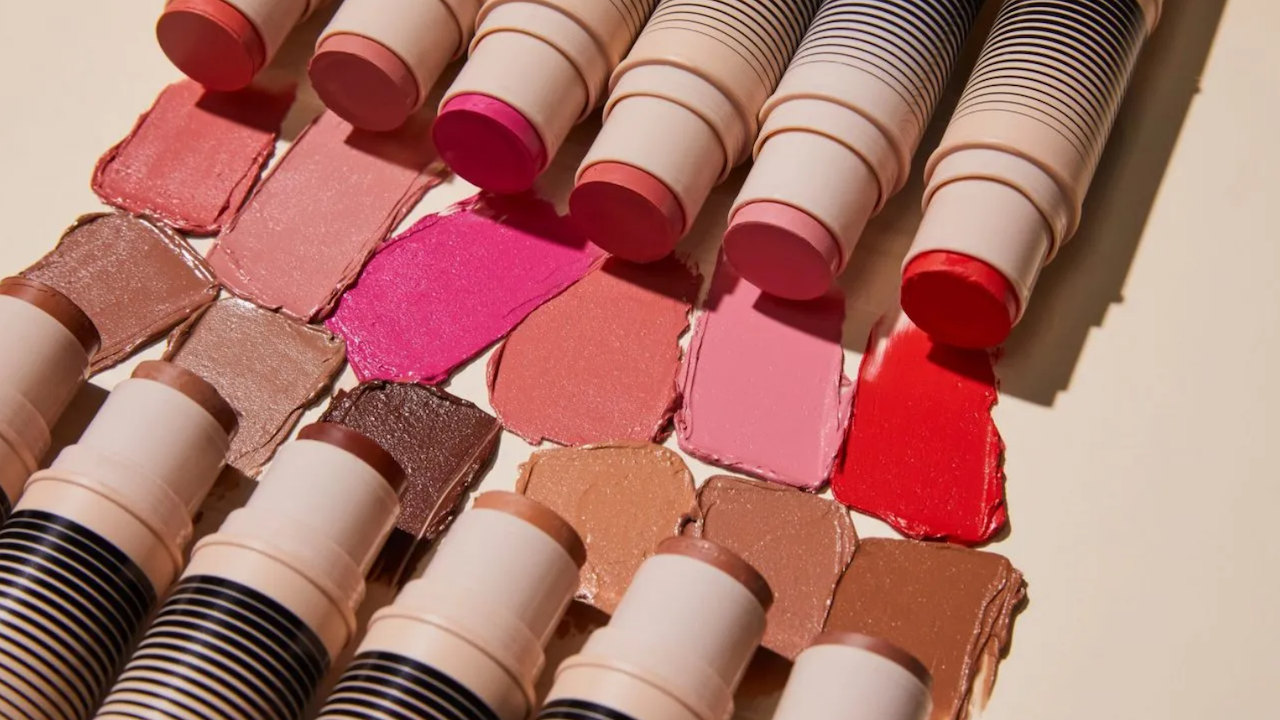
Selling exclusively through Ulta Beauty and direct-to-consumer, Dibs Beauty has set up heat maps that track individual product sales based on where they sit on its in-store endcaps, as well as overall retail sales by U.S. region, down to the county. Doing so has resulted in “at least” a double-digit lift in cost-efficiency, co-founder and CEO Jeff Lee told Modern Retail.
Source Lens
Industry Context
Useful background context, but lower-priority than direct platform, community, or operator intelligence.
Impact Level
medium
Use this briefing to decide whether your team needs an immediate workflow, policy, or reporting change.
Key Stat / Trigger
No single quantitative trigger surfaced in this report.
Focus on the operational implication, not just the headline.
Full Coverage
Supply Chain Shakeup // November 23, 2026 How Dibs Beauty uses heat maps to optimize its Ulta Beauty presence By Jill Manoff Below is the latest edition of Modern Retail’s Supply Chain Weekly newsletter, which goes out on Mondays at 10 a. m. ET, and dives into all things logistics and supply chain during a tumultuous time for the retail industry.
To receive this weekly in your inbox, click here. Six-year-old Dibs Beauty, best known for multitasking makeup, is using AI to ensure its in-store presence is continually set up for success.
Selling exclusively through Ulta Beauty and direct-to-consumer, Dibs has set up heat maps that track individual product sales based on where they sit on its in-store endcaps, as well as overall retail sales by U. S. region, down to the county.
Doing so has resulted in “at least” a double-digit lift in cost-efficiency, co-founder and CEO Jeff Lee told Modern Retail.
“We’ve seen the discovery and acquisition engine break in so many ways, and [we’ve learned that] just because the [visual merchandising] was designed in a certain way, that doesn’t mean it’s a way that’s the best for your individual business,” Lee said. “And being able to back it up with data is really critical.”
All of Dibs Beauty’s staff access its proprietary dashboards, treating them together as the single source of truth. Lee said Dibs has “AI-capable” workers across every department and that the dashboards were a joint effort between its retail, operations and finance teams using Claude and Firebase and leveraging Ulta sales data.
Per Lee, to optimize its in-store displays, the endcap-focused heat map lets the company go “shelf-by-shelf, position-by-position” to see how different display configurations perform and how changes impact sales. It regularly A/B tests different setups and corresponding graphics, allowing for more strategic displays.
For example, Lee said, historically, the brand has displayed its complementary hero products — its Desert Island Duo for day and GlowTour Duo for night — in one prominent place, as is the industry standard.
But it found that moving the GlowTour Duo to a lower shelf didn’t diminish sales — they actually increased — and the change had a halo effect on other products. “We were able to support newness that was launching by giving it better top-of-shelf [positioning],” Lee said.
In addition, he said, the company tests display graphics, rather than falling back on the industry norm of pairing a new release with an image of a model; Dibs’ product imagery often drives better results. As for its heat maps corresponding with regional sales, Lee used an example to show their utility.
“Our executives across the country have personalized dashboards that help them focus their efforts where most beneficial,” he said. “They’re getting a recommendation, not a directive, from this dashboard telling them which product family is doing really well in their region and which [Ulta] door they should maybe visit or pay attention to.
The philosophy here is: Figure out the best way to spend the next dollar or next minute of your time.” A field-team member getting a recommendation on where to focus their efforts “in a microsecond, rather than spending an hour looking at a spreadsheet and possibly making errors in [their] determination,” works to the company’s advantage.
As a result, a variety of resources, down to the gas money required for store visits, are being used more wisely. Per Lee, Dibs has seen booming sales in parts of the country that are often ignored, like Arizona. In turn, it will often increase its penetration in that area by bringing more sales associates to stores.
In other areas that are typically industry sales drivers but have proven less successful for Dibs after efforts to gain ground, it’s pulling back. But the company is careful not to get swayed by blips or short-term trends, especially as “five people can come in who are obsessed with your brand can completely shift your numbers,” Lee said.
“If [sales] are going in the right direction month over month in each region, that’s what’s important for us,” he said. In addition, Dibs is “mapping out” everything it can about its customers, from demographics to purchase history. And it leverages third-party tools to gain insight into the other brands they’re browsing.
“We’ve used AI to analyze the buying behavior of our customers, and a lot of them, for example, love Abercrombie and Fitch,” Lee said. “So we’re starting to layer in that understanding.” Working collaboratively with Ulta Beauty has also served the company well, in terms of perfecting its presence in stores.
“The supply chain is longer than ever, and it’s more fraught than ever, so you have to plan years in advance,” Lee said. “Being able to ensure you have the [right] inventory, that you’re not overinvested, is super important. And we
Original Source
This briefing is based on reporting from Modern Retail. Use the original post for full primary-source context.
Style
Audience
Get fee and policy changes before they hit your margin
The free Daily Marketplace Brief flags fee and policy changes across Amazon, Walmart, TikTok Shop, eBay and Etsy, with the source document.