Pura doubles down on brand collaborations: ‘We want to be the Spotify of fragrance’
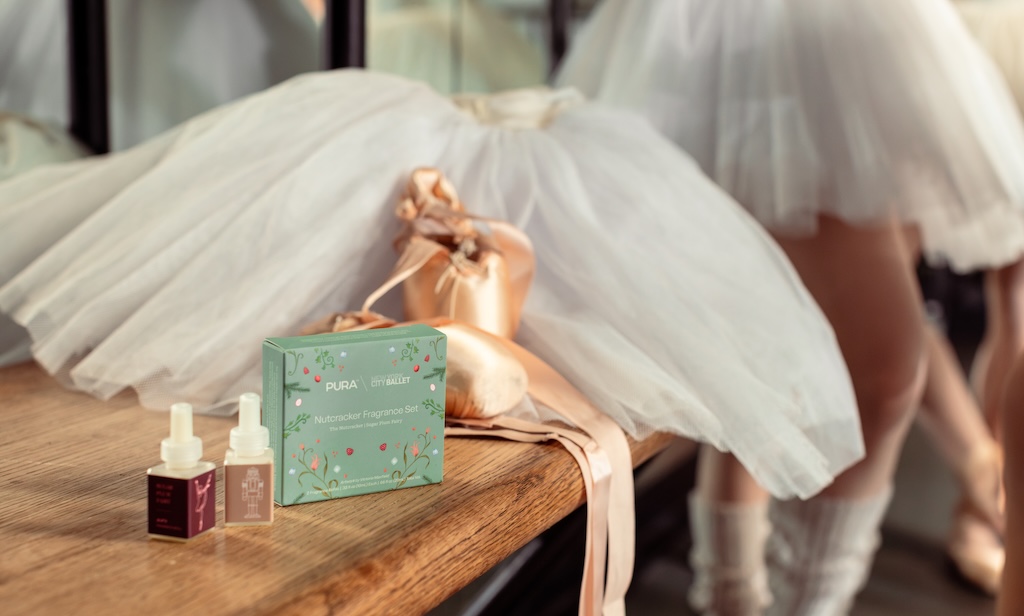
Pura leans on brand collaborations, from the New York City Ballet to Calm, to retain subscribers as it gears up to become the “Spotify of fragrance.”
Source Lens
Industry Context
Useful background context, but lower-priority than direct platform, community, or operator intelligence.
Impact Level
medium
Use this briefing to decide whether your team needs an immediate workflow, policy, or reporting change.
Key Stat / Trigger
No single quantitative trigger surfaced in this report.
Focus on the operational implication, not just the headline.
Full Coverage
Experiential Marketing // November 24, 2026 Pura doubles down on brand collaborations: ‘We want to be the Spotify of fragrance’ By Gabriela Barkho Pura Since its 2014 launch, home fragrance brand Pura has built its own in-house collections while it continues to strike up collaborations with notable brands and IP holders.
As of 2026, privately-owned Pura surpassed nine figures in revenue, with 15% year-over-year growth. The company’s Keurig-esque model centers on smart diffusers that let users rotate fragrance oils to scent their homes. The fragrance vials typically last about a month and cost between $11 and $16.
Pura currently has 36 brand partners, and that number is expected to grow in 2027. The company’s app, which helps customers operate their Pura diffusers, currently has over 2 million active users. This year, Pura’s holiday collection is in collaboration with the New York City Ballet, with two fragrances inspired by The Nutcracker.
The limited-edition holiday set features two fragrances, The Nutcracker and Sugar Plum Fairy, launching exclusively on Pura’s website just in time for the Black Friday weekend. Additional partners on the horizon for 2027 include sunscreen brand Vacation and functional genderless fragrance startup DedCool.
While Pura continues to grow its private-label fragrances, these unique fragrance partnerships remain a big strategy for acquiring and retaining customers long term.
Pura co-founder Bruno Lima told Modern Retail that despite the heavy investment and year-round work that goes into brand partnerships, they are an important part of the brand’s overall positioning.
Lima said part of Pura’s strategy for continuing to invest in collaborative fragrances is the major draw they bring in, especially among direct-to-consumer subscribers. Often, these returning customers try new fragrances based on the time of year, as they swap out Pura oil cartridges to mark the change in weather or holidays.
The New York City Ballet collab is a perfect example of catering to what customers have come to expect from Pura. As part of the partnership, Pura is rolling out a new content series featuring New York City Ballet principal dancer Tiler Peck and members of the corps de ballet.
“The fragrances are beautiful, and the content is stunning because we worked with the actual ballerinas and shot everything on-site,” Lima said. Over the past few years, Pura has created a growing in-house collection of permanent and seasonal fragrances, some of which have gained a following of their own.
Naturally, Pura’s private-label fragrance tends to be priced lower than the branded counterpart, allowing customers to try out more SKUs. But there are several factors why Pura continues to bet on partnerships with premium brands, such as LAFCO, Anthropologie and Glasshouse.
Many of these are sold through both brands’ direct channels, while others are also available through Pura’s retail partners, including Nordstrom, Target and Ulta. Lima said that, at this point, Pura’s customers expect continued access to their favorite home fragrance brands.
These include bestselling collabs with Capri Blue, Thymes and Nest New York, among others. Other notable partnerships include an ongoing collection with organizations like Disney, The Met, Malala Fund and interior design and lifestyle brand Studio McGee.
A big part of why Lima and his team keep getting drawn to collaborations is that brands remain interested in bringing their fragrances into customers’ homes through Pura’s diffusers. “We have a lot of inbound requests from really cool brands now that we’ve gotten to the scale of having millions of customers,” Lima said.
At the same time, many of Pura’s loyal subscribers also like to test out a number of new and existing Pura fragrances as part of their rotation. “A lot of what we call user experience research is about asking customers which brands we do not have that they want to see at Pura.” “We talk about this goal of becoming Spotify for fragrance,” Lima said.
“So it’s like us asking, ‘Which songs and which artists are you not finding here?’” As a DTC brand rapidly expanding into wholesale retail, Lima said exclusive collaborations for Pura subscribers help maintain retention on the direct-to-consumer channel.
Lima added that, in recent years, some of Pura’s most unique collaborations have kept customers coming back monthly instead of ordering one-off fragrances. “A really good example was our partnership with Calm,” Lima said.
The collaboration with the meditation app launched earlier this year and gives Pura customers a sensorial experience that corresponds with Calm’s sleep and relaxation stories. “We reached out to Calm to say we’re hearing from our customers that they want more wellness fragrances for their relaxation routines,” he said. Lima said the company uses a series of
Original Source
This briefing is based on reporting from Modern Retail. Use the original post for full primary-source context.
Style
Audience
Get fee and policy changes before they hit your margin
The free Daily Marketplace Brief flags fee and policy changes across Amazon, Walmart, TikTok Shop, eBay and Etsy, with the source document.