

Tariffs, frozen food demand reshape cold chains, Lineage report says
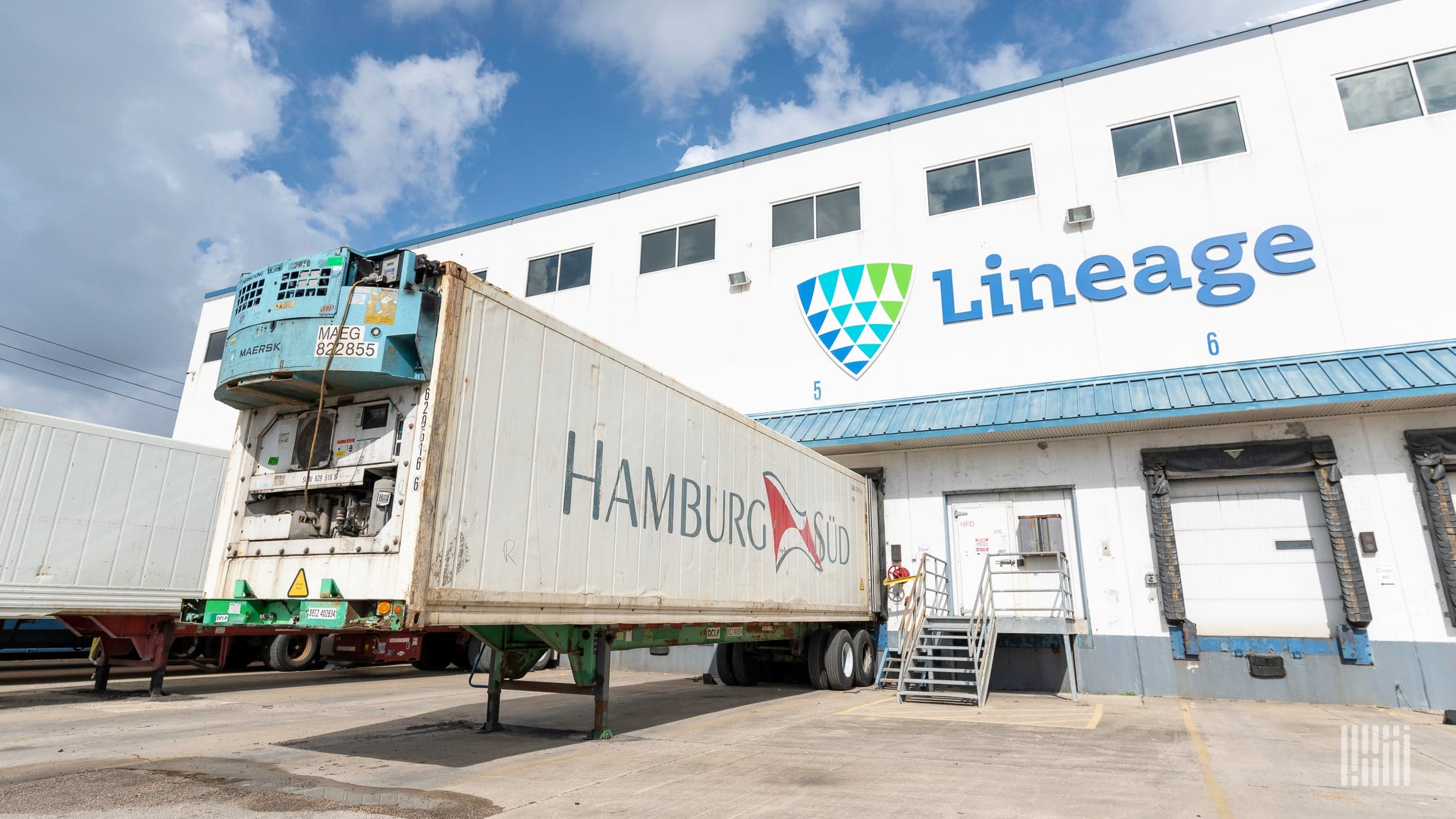
Lineage's 2026 Cold Chain Insights Survey of 1,000 supply chain leaders found 73% expect tariffs to keep hurting finances this year, while 72% report rising frozen/refrigerated food demand straining cold storage capacity near U.S.-Mexico and U.S.-Canada borders.
Sellers in frozen or refrigerated CPG categories face a double squeeze: higher inbound freight costs from tariff-driven rerouting plus tighter cold storage availability near ports. Review your 3PL contracts now for capacity guarantees and rate escalation clauses before summer demand peaks.
This fits into the broader margin compression trend hitting food and perishable brands -- tariff volatility is forcing sourcing diversification, which adds logistics complexity and cost at a time when cold storage capacity is already tightening.
Audit your cold-chain 3PL SLA -- if you lack guaranteed capacity or fixed rates through Q3 2026, renegotiate or add a backup provider before peak frozen food season tightens availability further.
Model a 10-15% landed cost increase on any frozen SKUs sourced from Mexico or Canada and reprice or adjust promotional velocity on Amazon/Walmart within 30 days to protect margins.
Bottom Line
Cold storage capacity crunch plus tariffs means frozen food sellers face higher costs now.
Source Lens
Industry Context
Useful background context, but lower-priority than direct platform, community, or operator intelligence.
Impact Level
medium
Cold storage capacity crunch plus tariffs means frozen food sellers face higher costs now.
Key Stat / Trigger
73% of supply chain leaders expect tariffs to continue negatively affecting finances in 2026
Focus on the operational implication, not just the headline.
Full Coverage
Tariffs, regulation and shifting consumer demand continue to disrupt cold supply chains, according to a survey released by temperature-controlled warehouse operator Lineage. The Cold Chain Insights Survey of 1,000 supply chain decision-makers across the U. S.
, Canada and Mexico found that geopolitical uncertainty and policy shifts — particularly tariffs — are among the biggest factors influencing supply chain decisions in 2026, with 73% of respondents expecting tariffs to continue negatively affecting their finances this year.
For freight markets, the findings point to growing demand and complexity in refrigerated trucking and cross-border food logistics, particularly along the U. S. -Mexico and U. S. -Canada corridors.
As food companies expand frozen and refrigerated networks while adjusting sourcing to manage tariffs and risk, that typically translates into more temperature-controlled truckload freight, tighter cold storage capacity near borders and ports, and greater reliance on 3PLs for visibility and compliance support, according to the survey from Lineage.
“Supply chain leaders are operating in an environment where volatility is the norm, not the exception,” said Greg Lehmkuhl, president and CEO of Lineage, in the report. Novi, Michigan-based Lineage (Nasdaq: LINE) operates 500 facilities with 3. 1 billion cubic feet of space across North America, Europe and the Asia-Pacific region.
It also provides freight forwarding, customs brokerage, drayage and truck transportation.
Related: Lineage announces Texas cold-storage facility amid tariff turbulence Tariffs, costs and demand reshaping strategy The survey found that 95% of companies adjusted their strategic plans over the past year due to shifting policy landscapes, while 57% said tariff impacts on 2025 costs were higher than expected.
Tariffs and regulation ranked as the top external factor driving supply chain instability, followed by inconsistent partners, climate disruptions and rising freight and fuel costs. At the same time, demand for cold storage remains strong.
About 72% of organizations reported rising demand for refrigerated and frozen foods, highlighting the growing importance of temperature-controlled logistics as consumer buying patterns shift.
The findings suggest food companies are increasingly rethinking sourcing strategies, inventory planning and distribution networks across North America as trade policy and costs remain uncertain.
AI, automation and visibility investments rise Technology adoption is becoming central to cold chain operations, with 60% of respondents ranking data and AI among the top forces transforming operations in 2026.
Companies are focusing on transportation optimization, real-time visibility, AI-driven decision-making and warehouse automation to improve coordination and efficiency. Early returns on those investments appear promising: 24% of companies reported exceeding ROI expectations from AI investments, while most others said they were meeting or nearing targets.
Shippers want flexibility from cold storage providers The survey also found food and beverage companies are increasingly relying on third-party logistics providers and cold storage operators for flexibility and data visibility.
Nearly half of respondents to the survey said flexible storage capacity was their greatest need from cold storage partners, while 41% said they want better data and analytics to support planning decisions.
Many companies are responding by expanding supplier networks, improving tracking and visibility, and strengthening risk management strategies to make their supply chains more resilient. The survey comes as the cold storage sector continues adjusting after a wave of new facility construction and post-pandemic inventory drawdowns.
During a fourth-quarter earnings call on Feb. 25, Lineage officials said new cold storage space grew 14. 5% from 2021 through 2025 while demand increased only 5%. Related: Cold storage market working off oversupply The post Tariffs, frozen food demand reshape cold chains, Lineage report says appeared first on FreightWaves.
Original Source
This briefing is based on reporting from Freightwaves. Use the original post for full primary-source context.
Style
Audience