Hydro Flask maker aims tariff refunds at inventory, packaging
Helen of Troy (Hydro Flask, Osprey, Drybar) is redirecting $80.5M in IEEPA tariff refunds toward inventory cleanup and eco-packaging redesigns required by U.S. state laws, Canada, and EU regulations. Expect updated packaging and tighter SKU assortments from these brands on major marketplaces through FY2027.
Regulatory shifts around Extended Producer Responsibility packaging laws are now materially affecting major consumer brands' SKU strategy and packaging, signaling margin pressure and product churn that ripples through marketplace resellers and competing private labels.
When major brands use windfalls to cut slow-moving SKUs and refresh packaging, competitors and resellers on Amazon/Walmart get squeezed out as active inventory tightens and listing content goes stale. Check your catalog for Hydro Flask, Osprey, or Drybar listings now — outdated packaging images or discontinued SKUs will hurt conversion and may trigger suppression.
Operational Impact
This story may require teams to revisit workflows, monitoring, or platform assumptions.
Bottom Line
Helen of Troy's $80.5M tariff windfall is cutting SKUs and changing packaging — resellers beware.
Source Lens
Industry Context
Useful background context, but lower-priority than direct platform, community, or operator intelligence.
Impact Level
medium
Helen of Troy's $80.5M tariff windfall is cutting SKUs and changing packaging — resellers beware.
Key Stat / Trigger
$80.5M in IEEPA tariff refunds being reinvested in inventory and packaging overhaul through FY2027
Focus on the operational implication, not just the headline.
Full Coverage
An article from Dive Brief Hydro Flask maker aims tariff refunds at inventory, packaging Helen of Troy plans to spend a portion of its expected $80. 5 million refund to clean stock and refresh packaging design. Published Oct.
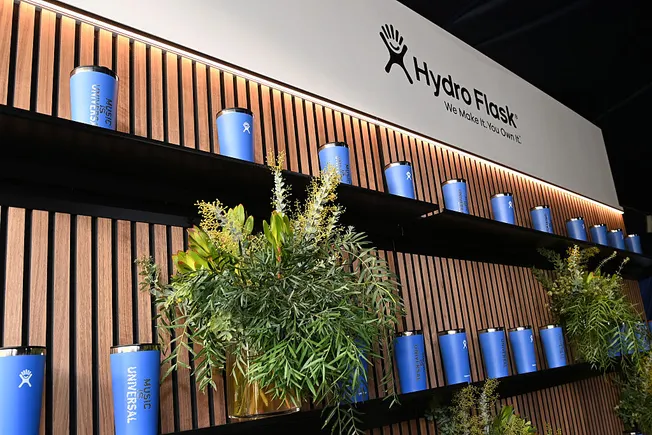
22, 2026 Antone Gonsalves Reporter Share Copy link Email / Print License Add us on Google Hydro Flask products are displayed at Sir Lucian Grainge's 2026 Music Is Universal Artist Showcase in Los Angeles on Jan. 31, 2026. Hydro Flask owner Helen of Troy plans to use some of its tariff refunds to redesign packaging to be more environmentally friendly.
Jon Kopaloff via Getty Images Listen to the article 3 min This audio is auto-generated. Please let us know if you have feedback. Dive Brief: Helen of Troy plans to spend a portion of its projected $80. 5 million in tariff refunds this fiscal year to clean up its inventory composition and redesign packaging to comply with U. S.
and foreign environmental laws, executives said on an Oct. 8 earnings call. In the quarter ended Aug. 31, the Hydro Flask brand owner recognized $26. 9 million of the expected refund and directed some of the money at cost pressures during the quarter, including higher commodity, fuel and freight expenses, according to the company's earnings presentation.
The company expects to receive the remainder of the refund by the end of FY2027, ending Feb. 28, 2027. "It's important to note that while tariff refunds are providing a fiscal '27 benefit that we are largely reinvesting, we have not been made whole from the cumulative tariff impacts to our business," CFO Brian Grass said.
"We've paid tariffs that have not been refunded." Dive Insight: Helen of Troy, which also owns brands Osprey and Drybar, started receiving refunds in Q1 FY27 that ended May 31. At the time, the company said increased spending to avoid supply disruptions and higher commodity and freight costs offset the initial $9. 2 million it received.
The returned levies followed the Supreme Court's February ruling that invalidated tariffs the Trump administration imposed under the International Emergency Economic Powers Act. Other consumer products companies have also received refunds for the defunct levies, including PepsiCo, cosmetics and skincare company E. l. f.
Beauty and personal care company Kimberly-Clark. Helen of Troy’s plans to use some of the recouped funds to clean inventory as the company works toward building a healthier product mix with less slow-moving merchandise, executives said. "We want our inventory to be clean," Grass said.
"We want to pull forward as much cost as possible so that we don't have to bear the cost in fiscal '28." The company had $480 million in inventory at the end of its most recent fiscal quarter, marking a 49% year-over-year decrease, according to Grass.
The company also increased its percentage of active inventory by seven percentage points during the first half of FY27.
“We're also encouraged by the progress we've made to improve the health of our inventory through the first half of the year and are targeting a 12 percentage point improvement in our active inventory composition by the end of the year, which we believe sets us up for success in fiscal '28,” Grass said.
Beyond an inventory reset, some of Helen of Troy’s tariff refund is going toward redesigning packaging to be more environmentally friendly, Grass said. The redesign is necessary to address higher packaging costs from legislation enacted by several U. S.
states, Canada, the European Union, the Middle East and Africa that shifted packaging disposal costs from municipalities to producers of consumer packaged goods, per a regulatory filing.
Phil Neuffer contributed to this story Recommended Reading Osprey brand owner says high supply chain costs are outpacing IEEPA tariff refunds By Phil Neuffer • July 15, 2026 Add us on Google Share Copy link Email / Print License Filed Under: Risk and Resilience, Procurement, Manufacturing
If you resell or compete with Hydro Flask/Osprey/Drybar, pull your listing audit in Seller Central or Walmart Seller Center — flag any SKUs with packaging imagery that may not match incoming refreshed units to avoid customer complaints and returns.
In the next 30 days, review your own packaging compliance exposure for EPR (Extended Producer Responsibility) laws in CA, CO, ME, and OR — these same regulations are forcing Helen of Troy's redesign and will hit smaller brands next.
Original Source
This briefing is based on reporting from Supply Chain Dive. Use the original post for full primary-source context.
Style
Audience