

Trump mulls Iran exit without re-opening Strait of Hormuz; new attack on tanker
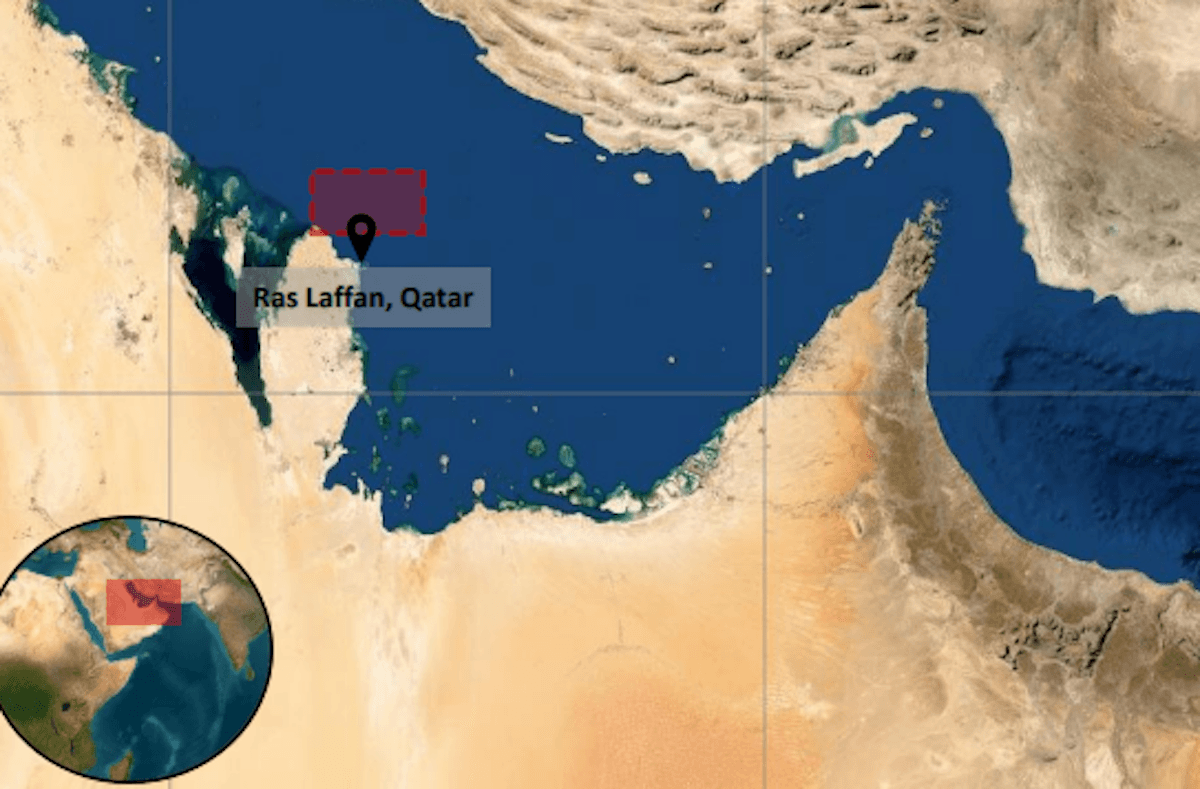
Trump is weighing U.S. military withdrawal from the Iran conflict without reopening the Strait of Hormuz, while a tanker near Qatar sustained hull damage from an unknown projectile. An estimated 34,000 ships have been diverted since Iran closed the Strait, with bunker fuel prices at $650–$890/metric ton as of April 1, 2026.
A prolonged Strait closure with no U.S. re-engagement means shipping costs and lead times for Asia-sourced goods stay elevated or worsen — sellers who haven't yet repriced or diversified sourcing are already behind. Pull your COGS and landed cost reports now; any supplier quoting pre-crisis freight rates is quoting you fiction.
This is sustained margin compression for product sellers reliant on Asian manufacturing — freight volatility is no longer a short-term spike but a structural cost input requiring repricing, supplier renegotiation, or nearshoring evaluation.
Audit landed cost in your inventory planning tool — if freight assumptions are below $800/MT bunker equivalent, reprice before your next PO or you'll eat the margin gap at receiving.
In the next 30 days, contact 3PL and freight forwarders for updated surcharge schedules and request 60-90 day rate locks where available before conditions deteriorate further.
Bottom Line
Strait of Hormuz still closed means import costs stay high for sellers.
Source Lens
Industry Context
Useful background context, but lower-priority than direct platform, community, or operator intelligence.
Impact Level
medium
Strait of Hormuz still closed means import costs stay high for sellers.
Key Stat / Trigger
34,000 ships diverted since Iran closed the Strait of Hormuz
Focus on the operational implication, not just the headline.
Full Coverage
The United States could withdraw from the conflict with Iran without re-opening the Strait of Hormuz, as a small flow of vessels continues to make transit through the waterway and a new attack on a tanker was reported by security monitors. Published reports said President Donald Trump was considering withdrawing U. S.
military forces from the region within weeks. After allies rejected his calls to support the American initiative, Trump told reporters Tuesday that those countries may be left to secure crude oil supplies on their own. Other reports said Saudi Arabia and the United Arab Emirates were urging Trump to continue U. S. attacks Iran.
A trickle of bulkers, tankers and general cargo ships are passing through the entrance to the Persian Gulf controlled by Iran – a significant share of them sanctioned vessels. In a new incident, British security monitors reported a tanker suffered hull damage after it was hit by an unknown projectile near Qatar. There were no reported injuries.
One analyst estimated 34,000 ships have been diverted since Iran closed the Strait, resetting port operations in the Middle East. Vessel tracking showed an 850-TEU Greek-owned container ship flagged in St. Kitts and 6,600-TEU Iranian flagged and owned ship currently under sanction by the U. S.
Treasury’s Office of Foreign Assets Control (OFAC), shipping analyst Lars Jensen wrote on social media. Published bunker indexes show fuel prices around $650–$890 per metric ton as of April 1, 2026 across major ports in a strong but uneven market. Prices are around the spike seen during Russia’s invasion of Ukraine in 2022, Jensen said.
Read more articles by Stuart Chirls here.
Original Source
This briefing is based on reporting from Freightwaves. Use the original post for full primary-source context.
Style
Audience