

Unpacked: What Maryland’s dynamic pricing ban says about the electronic shelf label debate
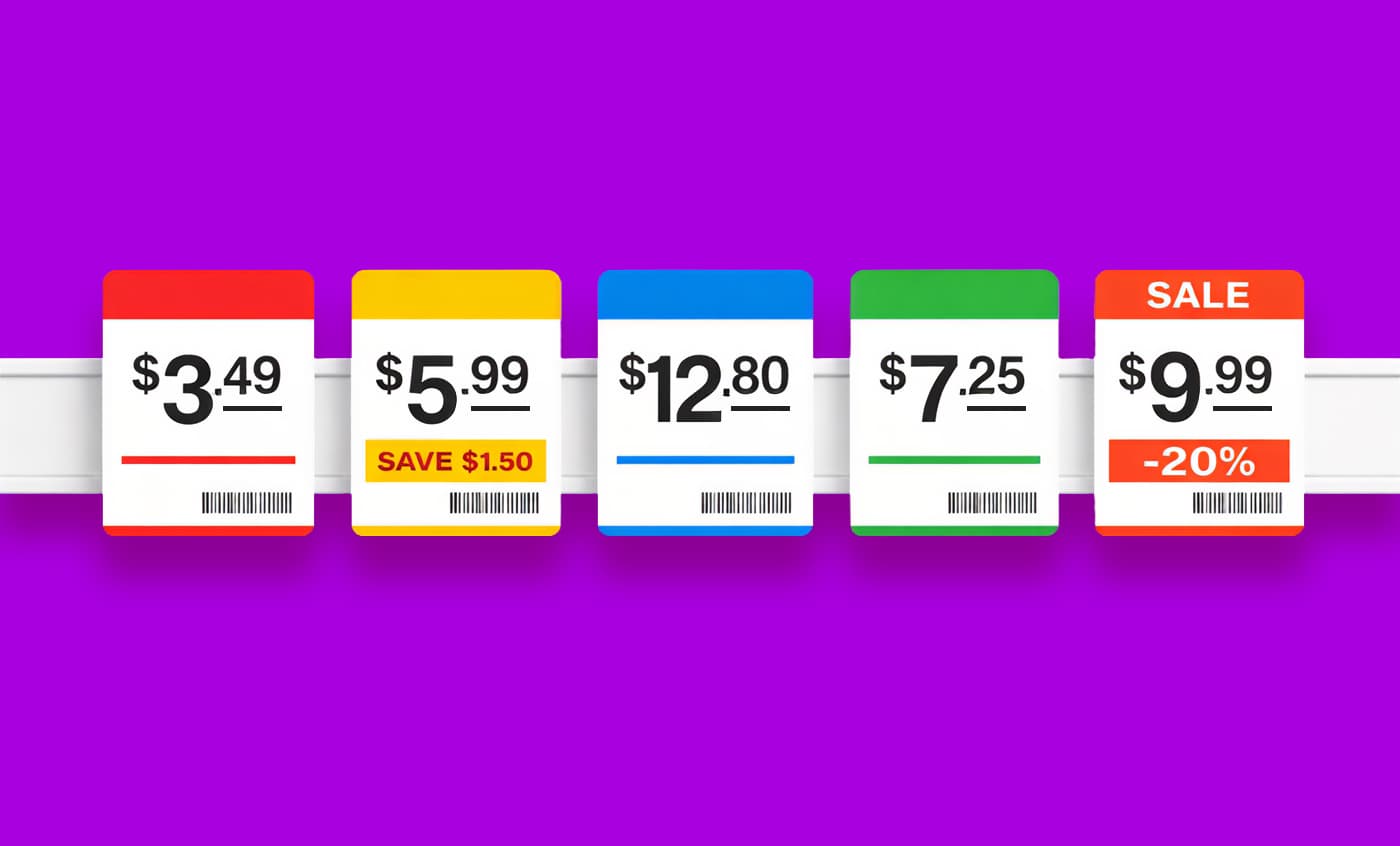
Maryland passed the first U.S. law banning data-driven price hikes on groceries, but it stops short of restricting electronic shelf labels or frequent price changes.
Source Lens
Industry Context
Useful background context, but lower-priority than direct platform, community, or operator intelligence.
Impact Level
medium
Use this briefing to decide whether your team needs an immediate workflow, policy, or reporting change.
Key Stat / Trigger
No single quantitative trigger surfaced in this report.
Focus on the operational implication, not just the headline.
Full Coverage
Store of the Future // May 14, 2026 Unpacked: What Maryland’s dynamic pricing ban says about the electronic shelf label debate By Melissa Daniels Maryland is the first state in the country to have a law on the books banning so-called “dynamic pricing” in grocery stores, meaning shoppers can’t be charged a higher price based on their individual data.
But the new law is a bare-bones version of the one consumer advocates hope to see passed in other states, as it still allows grocers to use electronic shelf labels and make multiple price changes a day.
Dynamic pricing and retailers’ use of electronic shelf labels are hot topics in state legislatures this year as rising grocery prices and inflation continue to stress shoppers’ budgets. The UFCW, or United Food and Commercial Workers union, has made banning dynamic pricing and the use of electronic shelf labels a cornerstone of its state legislative agenda.
But retailers and their advocates have pushed back against the effort, citing the safe use of the technology and the existing laws against price gouging. Here’s a breakdown of the new Maryland law and how it changes the discussions around dynamic pricing in grocery. What are dynamic pricing and surveillance pricing?
Dynamic pricing and surveillance pricing generally refer to the practice of adjusting prices based on customer data. Those explaining it often reference the practices of airlines, hotels or rideshares, which can adjust prices in real time based on the data they see around demand.
For instance, if a hotel lowers the room rate for a particularly slow weekend to incentivize visits, a competitor may automatically adjust their rates to compete. Higher occupancy levels may, conversely, drive prices higher.
But in the age of artificial intelligence, where companies can have a host of customer data at their fingertips, lawmakers and consumer advocates have raised concerns about the potential for misuse.
The Federal Trade Commission in early 2025 released a report that found details like location, mouse movements, un-purchased items and browsing patterns are being used to tailor pricing. What does Maryland’s law actually ban?
Maryland’s new law, the Protection From Predatory Pricing Act, specifically prohibits retailers from using dynamic pricing to set higher prices on tax-exempt groceries.
It defines “dynamic pricing” as the discriminatory practice of offering or setting a personalized price to a specific consumer based on their personal data, regardless of whether the seller collected or purchased the personal data.
Cailey Locklair, president of the Maryland Retailers Alliance, said the industry group was approached early on by state lawmakers to weigh in on a proposal for dynamic pricing. At one point, there were as many as six versions of legislation going around. But, she said, the industry had no qualms about agreeing not to use individualized data to raise prices.
“This is not a common industry practice for us at all,” she said in an interview with Modern Retail. “We were fine to agree to that from the very beginning.” The law applies to retailers with at least 15,000 square feet that sell tax-exempt food, as well as third-party delivery services like DoorDash. It kicks in on October 1, 2026.
Violating the provision will result in a fine of $10,000 for a first offense and $25,000 for a subsequent offense. Locklair said the alliance agreed to support the bill because it strikes a balance between using data for pricing and the way the grocery industry actually operates.
“I would be remiss if I didn’t say that that [dynamic pricing] technology is out there. It’s just not something that our industry uses because we are hyper competitive with lower profit margins, and we operate way differently than a lot of other industries,” she said. Will retailers have to change anything they’re doing?
Maryland’s bill doesn’t immediately change anything for grocers in the state. Rather, it means they can’t use individualized data to raise prices in the future. “If anybody is using any sort of consumer data to drive a price up, that’s illegal in our state now,” Locklair said.
But the bill does grant leeway for other kinds of price changes: retailers can still offer promotional pricing, loyalty program benefits and other temporary discounts.
Locklair said the bill still allows grocers to raise prices for “valid” reasons that come up, like supply and demand, weather, energy costs and other issues outside the retailer’s control — for instance, when an egg shortage hit in early 2025, and retailers were charging higher prices for a dozen eggs nationwide. What about electronic shelf labels?
Ademola Oyefeso, international vice president and director of the legislative and policy department at the UFCW, said the bill f
Original Source
This briefing is based on reporting from Modern Retail. Use the original post for full primary-source context.
Style
Audience