
White Label DSP: How Agencies Are Reselling Amazon Programmatic
Amazon DSP used to be the line item agencies mentioned near the end of a sales call. Now it’s the reason the call happens at all. DSP’s share of total Amazon ad spend climbed from 17.7% to 23.4% across 2025, and in Q1 2026 it did something it had never done in five years of… The post White Label DSP: How Agencies Are Reselling Amazon Programmatic appeared first on SellerApp Blog.
Source Lens
Industry Context
Useful background context, but lower-priority than direct platform, community, or operator intelligence.
Impact Level
medium
Use this briefing to decide whether your team needs an immediate workflow, policy, or reporting change.
Key Stat / Trigger
No single quantitative trigger surfaced in this report.
Focus on the operational implication, not just the headline.
Full Coverage
Amazon DSP used to be the line item agencies mentioned near the end of a sales call. Now it’s the reason the call happens at all. DSP’s share of total Amazon ad spend climbed from 17. 7% to 23. 4% across 2025, and in Q1 2026 it did something it had never done in five years of tracked data it became cheaper per click than Sponsored Products.
Every Amazon advertising agency pitching serious clients in 2026 needs a real answer for Amazon programmatic advertising, and agencies without one are losing pitches to agencies that have it, even when neither one owns a trading desk. That gap is exactly why white label DSP exists.
An agency can offer full Amazon DSP services under its own name without building a trading desk, hiring a programmatic team, or clearing Amazon’s steep managed service minimums.
This piece breaks down what white label DSP actually is, how an Amazon DSP agency structures the mechanics, what it costs, and where agencies get burned when they resell white label advertising services without understanding what they’re reselling. Quick guide: What Is Amazon DSP?
What “White Label DSP” Actually MeansHow a White Label DSP Dashboard Helps You Scale More ClientsWhy Agencies Are Reselling Instead of Building In-HouseSpend Minimums and Certification BarriersHow White Label DSP Works, Step by StepPricing and Margins: What Agencies Actually KeepMarkup vs.
Management Fee ModelsWhere Margin Gets SqueezedWhat to Look for in a White Label DSP PartnerCommon Mistakes Agencies Make Reselling DSPFinal Takeaway: Own the Mechanics and the EconomicsFAQ What Is Amazon DSP?
Amazon DSP (Demand-Side Platform) is the engine behind Amazon programmatic advertising, the buying layer that sits above Sponsored Products, Sponsored Brands, and Sponsored Display.
It lets advertisers buy display, video, and audio placements across Amazon-owned properties like Fire TV, Twitch, IMDb, and Prime Video, plus thousands of third-party sites, using Amazon’s first-party shopper data instead of keyword intent. The reason it matters now more than ever comes down to reach.
Roughly 95% of Amazon shoppers aren’t actively searching for a given brand’s category at any moment, and Sponsored Products can only ever reach the other 5%. DSP is the only lever that touches the shopper before they start typing. Across the platform, 36.
5% of DSP-attributed purchases come from customers who have never bought the brand on Amazon before, which is a new-to-brand rate that search-based advertising structurally cannot match. Take a skincare brand that sells a Vitamin C serum line. Sponsored Products will capture the shopper who already searches “vitamin c serum” or a competitor’s ASIN.
DSP is what puts that same brand in front of someone browsing a skincare influencer’s content on Twitch, or watching a beauty tutorial on a third-party site, days before that person ever opens the Amazon search bar. Beauty and Personal Care already runs a strong 14.
56% conversion rate once that demand reaches the product page, so the channel isn’t fighting an uphill conversion problem. It’s fighting an awareness one, and that’s precisely the gap DSP is built to close. What “White Label DSP” Actually Means White label DSP isn’t just about giving agencies a branded dashboard.
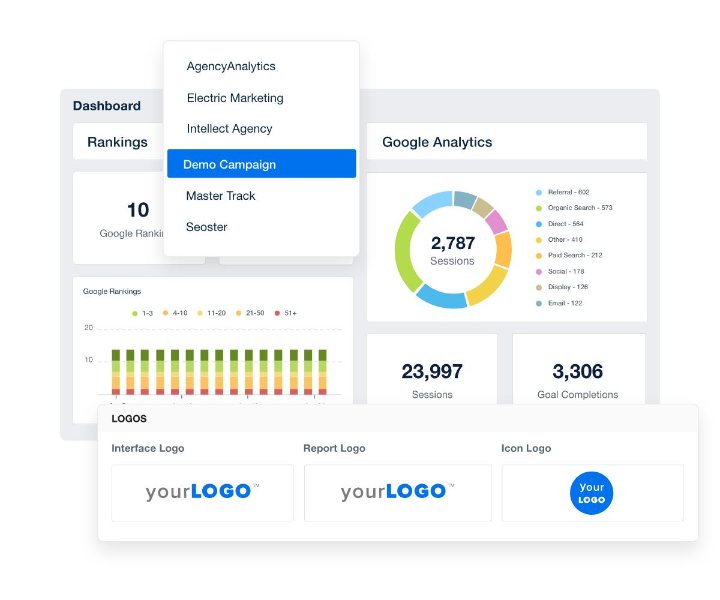
It’s about providing a centralized intelligence layer that helps agencies manage, analyze, and optimize multiple Amazon DSP accounts from one place. While Amazon’s native DSP dashboard provides campaign-level reporting for individual advertiser accounts, agencies managing several clients often need a broader operational view.
A white-label DSP platform brings those accounts together into a single interface, making it easier to monitor campaign performance, compare client accounts, and deliver consistent reporting without constantly switching between dashboards.
Beyond consolidating reporting, third-party DSP dashboards often surface deeper insights that help agencies make better optimization decisions.
Depending on the platform, agencies can monitor metrics such as pacing, budget utilization, audience performance, attribution trends, incremental reach, and campaign-level efficiency alongside standard Amazon DSP reporting.
Instead of manually stitching together exports from multiple advertiser accounts, teams get a unified view that makes identifying opportunities and performance issues significantly faster. For agencies managing multiple brands, this intelligence layer becomes just as valuable as the reporting itself.
Account managers can review client performance, prepare branded reports, prioritize optimization opportunities, and spend more time improving campaigns instead of gathering data across multiple Amazon DSP dashboards. The value of white label DSP isn’t that it replaces Amazon DSP.
It’s that it helps agencies manage multiple Amazon DSP accounts more efficiently, make more informed optimization decisions, and present a more consistent client experience through a centralized intelligence platform. What Whit
Original Source
This briefing is based on reporting from SellerApp Blog. Use the original post for full primary-source context.
Style
Audience