

Amazon's water conservation and replenishment efforts around the world
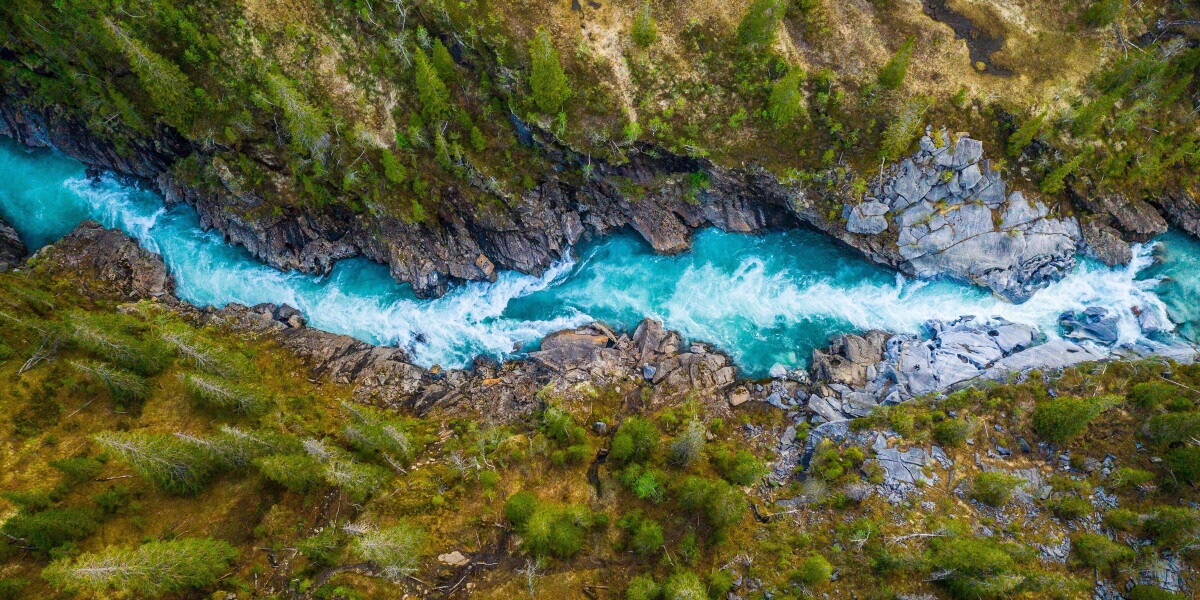
Amazon announced participation in a California watershed restoration project using Forest Resilience Bonds, part of their 45+ global water replenishment initiatives. The project aims to increase water availability by 264 million gallons annually in the Upper Mokelumne River Basin.
Corporate sustainability announcements like this are increasingly common but remain separate from core marketplace operations that affect seller profitability.
This is pure corporate sustainability PR with zero operational impact on sellers, agencies, or marketplace operations. No changes to fees, policies, fulfillment, or customer experience are mentioned or implied.
Operational Impact
This story may require teams to revisit workflows, monitoring, or platform assumptions.
Bottom Line
Amazon watershed project has zero seller impact.
Source Lens
Official Platform Update
Direct platform communication. Highest-value for policy, product, and operational changes.
Impact Level
medium
Amazon watershed project has zero seller impact.
Key Stat / Trigger
264 million gallons annually water availability increase
Focus on the operational implication, not just the headline.
Full Coverage
Recent Updates September 16, 2026 2:19 AM Share Amazon's forest replenishment projects in Japan expected to return 300 million liters of water per year to communities Amazon has announced its newest water replenishment project in Japan, a forest restoration initiative in Chiba prefecture.
Carried out in collaboration with the Chiba Prefecture Forestry Association, the work centers on tree thinning: a practice that restores the forest's ability to retain water and supports healthier water flows upstream of the Yoro River. This is the water source that supplies communities in the region where we operate.
The restoration efforts will cover 250 hectares of forest in total, and once complete, are expected to return more than 170 million liters of water per year back to local communities. "Japan's forests face growing pressures from aging tree populations and changing climate conditions.
The work we do—thinning, clearing, restoring—is essential to keeping our watersheds healthy and our water supply dependable," said Yoshikazu Yamamoto, director and president of the Chiba Prefectural Forestry Association. "Amazon's investment allows us to do more of this work, faster, in the areas where it matters most.
When forests thrive, water flows, and that benefits everyone downstream." Water is one of Japan's most vital natural resources—sustaining communities, agriculture, and ecosystems across the country.
As Amazon, through Amazon Web Services (AWS), continues to grow its cloud infrastructure in Japan, we are investing in efficient data center cooling technologies and community water replenishment projects to protect the water resources that communities depend on. Amazon announced its first water replenishment project in Japan in 2025.
The project involves the maintenance of the forests in Tabayama Village, Yamanashi. Maintenance activities include thinning, pruning, and managing young tree growth to reduce competition among trees. This allows more water to infiltrate the soil, replenishing groundwater and increasing water availability.
The ongoing project is on track to return over 130 million liters of water each year to the local community once completed. Amazon's data centers are 7x more water-efficient than the industry average. Here’s how we do it.
Amazon is constantly innovating to reduce the amount of water we use in our data centers, resulting in a 52% improvement in water efficiency since 2021.
No action required - this announcement doesn't affect seller operations, fees, or marketplace functionality.
Continue monitoring Amazon's actual policy updates rather than sustainability initiatives for business-relevant changes.
Original Source
This briefing is based on reporting from About Amazon. Use the original post for full primary-source context.
Style
Audience