Selling on Etsy vs eBay: Which Marketplace Fits Your Product Better?
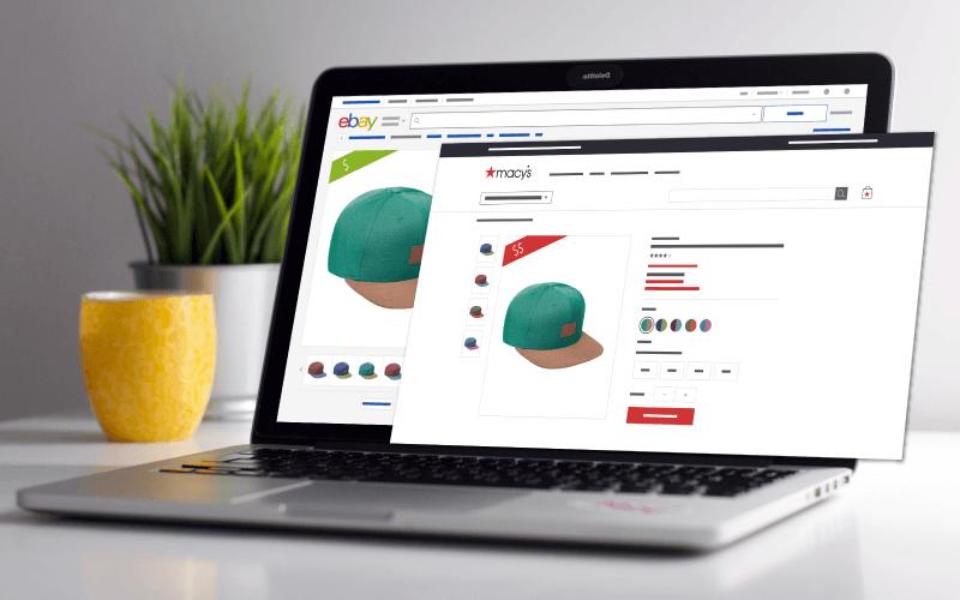
SellerApp published a comparison guide on Etsy vs eBay buyer intent, product fit, and traffic behavior. No policy or fee changes announced — purely educational content for sellers evaluating platform entry.
Platform specialization is hardening — generalist catalog strategies underperform as each marketplace narrows its buyer identity, pushing brands toward intentional channel selection over spray-and-pray expansion.
Amazon/Walmart/Target sellers testing channel diversification often overlook buyer intent mismatches; this framework confirms Etsy suits handmade/custom SKUs and eBay suits resale/electronics — but neither replaces primary marketplace revenue. If you're an agency pitching multi-channel expansion, use this to pre-qualify client catalogs before recommending a new platform.
Operational Impact
This story may require teams to revisit workflows, monitoring, or platform assumptions.
Bottom Line
Etsy vs eBay fit depends on buyer intent, not just fees.
Source Lens
Industry Context
Useful background context, but lower-priority than direct platform, community, or operator intelligence.
Impact Level
medium
Etsy vs eBay fit depends on buyer intent, not just fees.
Key Stat / Trigger
No single quantitative trigger surfaced in this report.
Focus on the operational implication, not just the headline.
Full Coverage
Choosing between selling on Etsy vs eBay is not just about fees, traffic, or which marketplace is bigger. The real difference is how buyers behave on each platform and what they expect when they shop. Etsy rewards presentation, branding, and perceived uniqueness. eBay rewards pricing, speed, and transactional efficiency.
The same product can perform completely differently depending on where it is listed. That is why selling on Etsy vs eBay is less about choosing a “better” platform and more about matching your product to the marketplace that naturally supports how it sells.
This guide breaks down the real difference between Etsy and eBay selling, including buyer intent, visibility, profit margins, and scalability, so you can choose based on fit.
Quick GuideHow Buyer Intent Changes Selling on Etsy vs eBayProduct Categories and What Sells Better on Etsy vs eBayTraffic Sources, Search Visibility and Demand CaptureConversion Drivers: Pricing, Trust, and Buyer ExpectationsEtsy vs eBay Profit Margins: What Sellers Actually KeepHow to Start Selling on EtsyCan You Sell on Both Etsy and eBay at the Same Time?
Selling on Etsy vs eBay: Final Takeaway on Profitability and ScaleFAQs How Buyer Intent Changes Selling on Etsy vs eBay The buyer’s mindset is the single most important factor when it comes to selling on Etsy vs eBay. On Etsy, buyers are often still figuring out what they want and are in discovery mode.
They might search for something broad like “minimalist home decor” and then go down a rabbit hole. One click leads to another, and purchases happen during that exploration. eBay, on the other hand, is a totally different beast. That same buyer behaves very differently. They search with clarity and specificity. “iPhone 13 case black.”
They scan options, check price, check delivery, and decide quickly. Or they directly jump the auction side of things and bid for a specific Vintage Pokémon card. This is why selling on eBay vs Etsy produces different outcomes, even if the traffic looks similar.
A simple way to think about it: Etsy captures curiosity eBay captures decisions So when people ask which platform gives more sales, Etsy or eBay, they are usually missing the point. eBay often gives more transactions. Etsy often gives more considered purchases.
Meaning, as a seller, you must ultimately optimize for buyer intent rather than haphazardly going all out. Specifically, not only must your product be developed for the appropriate buyer but also your overall marketing and selling strategy.
How Buyer Intent Changes Selling on Etsy vs eBay Product Categories and What Sells Better on Etsy vs eBay If your product does not match what the platform is built for, no amount of optimization will fix it.
Here is how it usually plays out: CategoryEtsyeBayWhat actually happensHandmade productsVery strongWeakEtsy buyers expect originalityCustom giftsExtremely strongWeakPersonalisation drives purchasesDigital downloadsStrongAlmost noneEtsy supports instant deliveryElectronicsWeakVery StrongeBay buyers search with specs in mindResale/bulk itemsWeakStrongeBay thrives on volumeVintageStrongModerateEtsy adds emotional valueFashion (mass-produced)ModerateStrongeBay wins on price competition If you try to push a generic product on Etsy, it struggles because it does not feel special.
If you try to sell a handcrafted product on eBay, it gets pulled into price comparison. That is the practical side of the difference between Etsy and eBay selling. Product Categories and What Sells Better on Etsy vs eBay Traffic Sources, Search Visibility and Demand Capture Both platforms have traffic. The way they distribute it is completely different.
FactorEtsyeBaySearch behaviorExploratory and inspiration-led searchesStrong Google Shopping and transactional search trafficExternal trafficPinterest, Google, socialGoogle Shopping, search engines, and marketplace trafficRanking driversListing quality, engagementSales history, price, and deliveryStabilitySlower but more stableFaster but volatile On Etsy, visibility is heavily influenced by discovery signals.
Listings can gain traction through keyword relevance, saves, click-through rate, listing quality, and external traffic from Pinterest, Instagram, or Google Search. A new seller with strong product photography and niche positioning can still surface in search, even without a long sales history. That changes how demand is captured on Etsy.
Buyers often enter with broad searches like “boho wall decor” or “custom bridesmaid gift,” then refine through recommendations and related listings. Strong branding and visual consistency help keep shoppers inside your catalogue longer. eBay works differently. Search visibility is much more performance-driven and intent-driven.
Buyers usually search for exact products, models, or specifications, which means listings compete directly on pricing, seller ratings, shipping speed, and conversion history. Demand capture on eBay happens closer to the point of purchase. A listing that
Audit your catalog: if 80%+ of SKUs are mass-produced or commodity, skip Etsy — list on eBay or optimize existing Amazon/Walmart presence instead.
If a brand client has custom, handmade, or personalized SKUs collecting no traction on Amazon, test an Etsy storefront within 30 days before investing in paid ads on primary channels.
Original Source
This briefing is based on reporting from SellerApp Blog. Use the original post for full primary-source context.
Style
Audience