

Target has alienated Black-owned brands, founders say, as some startups vanish from its shelves
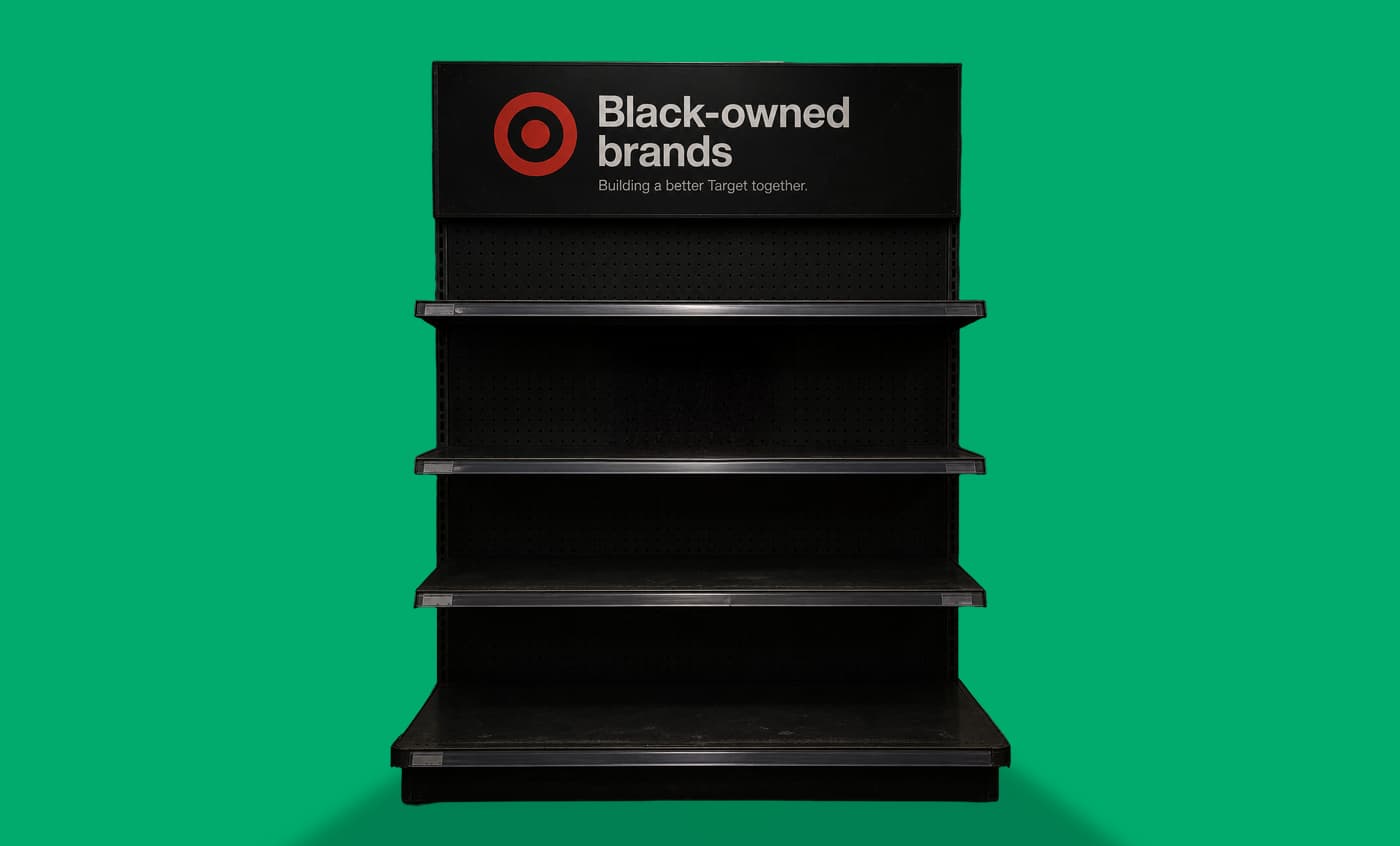
Target's relationship with Black founders is under a microscope, as the retailer mounts a comeback. Modern Retail spoke with several Black founders who refuse to work with Target again, or whose products have been pulled from the shelves over the last few years. Some cited the company's decision to pull back on certain DEI programs last year as a source of lingering frustration.
Source Lens
Industry Context
Useful background context, but lower-priority than direct platform, community, or operator intelligence.
Impact Level
medium
Use this briefing to decide whether your team needs an immediate workflow, policy, or reporting change.
Key Stat / Trigger
No single quantitative trigger surfaced in this report.
Focus on the operational implication, not just the headline.
Full Coverage
Global Retail // June 2, 2026 Target has alienated Black-owned brands, founders say, as some startups vanish from its shelves By Mitchell Parton In 2022, April Showers finally got her big retail break as her brand, Afro Unicorn, entered Target and Walmart.
Afro Unicorn is a licensed-character brand designed for women of color that sells hair-care products, books, apparel and more. For Showers, as a Black entrepreneur aiming to normalize Black beauty, getting into mainstream retail was a critical milestone. “It wasn’t to help normalize it for us,” Showers said.
“It was there to normalize it for everyone else, so that when a little white girl walks into the room and sees a Black girl, she doesn’t look at her any differently.” Nearly four years later, however, Showers’ products are no longer found on Target’s shelves after the company pulled back from some diversity, equity and inclusion initiatives.
Showers told Modern Retail that, as a result of Target’s decision, she decided to stop advertising Afro Unicorn’s presence at the retailer, adding that the brand’s sales at Target fell below the company’s standards and that its products were cleared from its shelves by the end of 2025.
Some Afro Unicorn plushes and a book are still available on Target’s website, but not in stores — speaking to how long it can take for a brand’s inventory to be cleared from warehouses. The brand is still available at Walmart and CVS Pharmacy. This isn’t the way Showers wanted things to go.
She said she initially pushed her community to do a “buyout” — as in buying all the Black brands at Target until they sold out — but they were resistant to it. She said her followers, Black or not, did not want to shop at Target as they felt like the company didn’t acknowledge it had made a mistake in how it pulled back from DEI programs.
“I never want to feel like I’m hurting my community or anyone around, so if you tell me we’re boycotting [Target], then we’re boycotting it; one band, one sound,” Showers said. “I did not like how Target never came out with a statement and really put it on the backs of the founders to figure this all out.”
Afro Unicorn isn’t the only Black-owned brand that has disappeared from Target’s shelves over the past few years. While Target’s DEI pullback hurt its reputation within the Black community, other Black founders Modern Retail spoke with said they found Target to be a frustrating wholesale partner, even before 2025.
A couple of founders said they struggled to get key information from their respective buyers, which hampered their sales. One described promotions they had to pay to participate in that they thought would be free.
And, in the case of another founder, they only got an answer about their brand’s fate with Target — after months of unanswered emails — after going to a Target diversity executive, even though the brand wasn’t part of any supplier diversity program at Target.
Target representatives declined to share details on specific conversations or interactions with vendors, but said that it makes changes to its assortment based on how products are performing and what shoppers are looking for.
“Style, design and value are at the heart of our differentiated assortment, and emerging brands play an important role alongside national brands and owned brands,” a Target spokesperson said in a statement.
“We’re proud of our long-term record of helping small businesses grow and reach new customers at Target, and will continue to create opportunities for new brands.” Other Black-owned brands once featured at Target have been removed from the retailer’s assortment without explanation.
These include Alikay Naturals and Oyin Handmade, which are still sold outside of Target. Some, like hair-care brand Curls Dynasty, have gone out of business entirely. Entrepreneur and author Tina Wells said her luggage and accessories brand, WNDR LN, was built exclusively for Target but was canceled and removed from stores by late 2024.
While some of her products are still listed on Target’s website, she said she hasn’t fulfilled an order to Target since August 2023 and that anything still available is back stock. A representative for Black-owned skin-care brand GlowRx, in an email, said the brand “no longer being in Target was not our voluntary decision.”
Some brands may have been removed from Target due to their sales performance. “I’ve seen them kick out eight brands — not because they were Black, not because they were woman-owned and not because they were Latina-owned, but because they didn’t perform,” Melissa Butler, founder of vegan lipstick brand The Lip Bar, said in an Instagram video last year.
She was warning her shoppers that the same fate could come to Black brands if customers were to stop shopping for them at Target as part of a boycott. Target, for its part,&nbs
Original Source
This briefing is based on reporting from Modern Retail. Use the original post for full primary-source context.
Style
Audience