

The K-Beauty Playbook: 7 Proven Tactics That Win Amazon
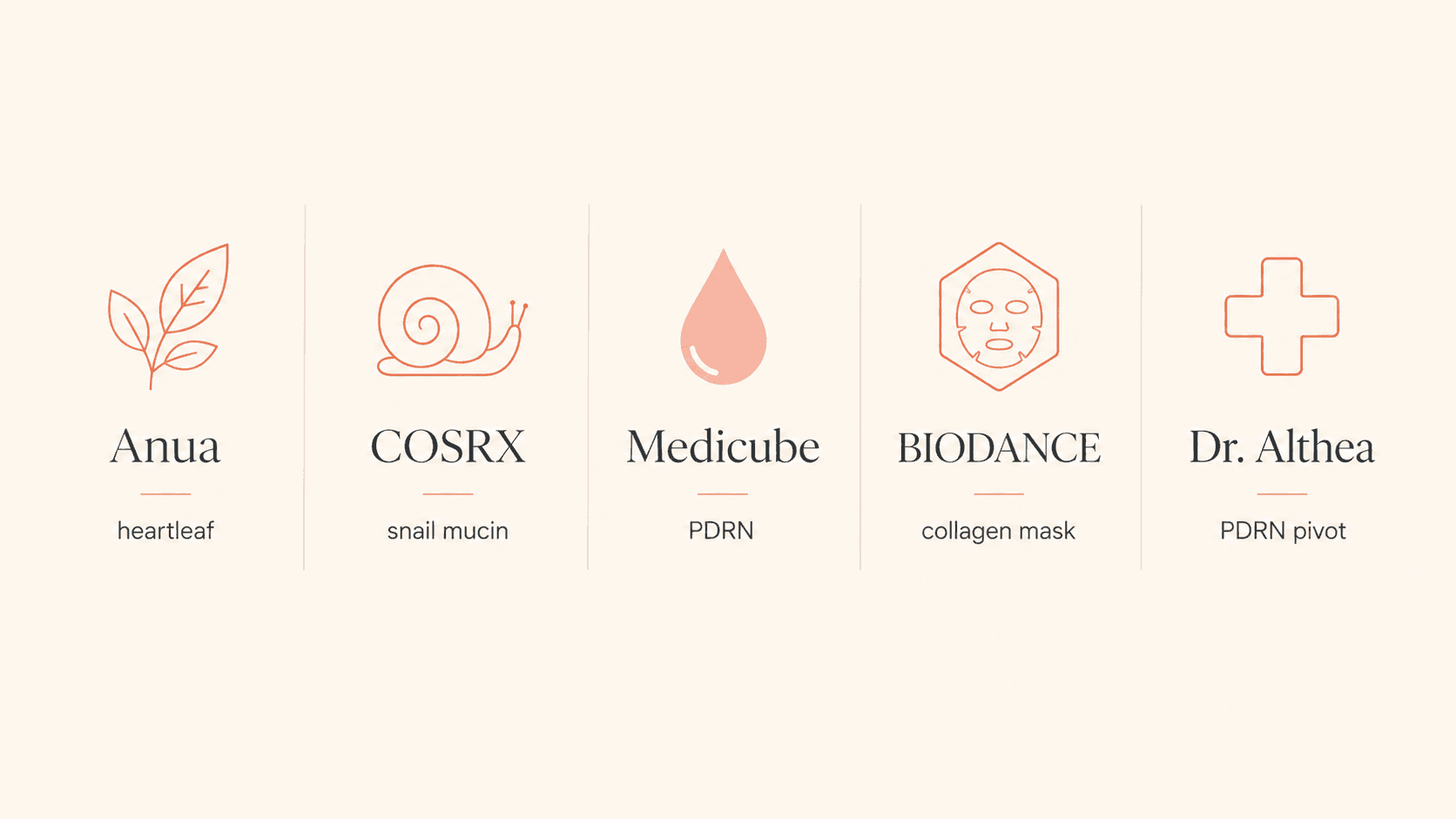
What are Korean skincare brands actually doing differently on Amazon? Well, it's not luck and it's not a single trick. Anua, COSRX, Medicube, and a handful of brands close behind are running a small, repeatable set of moves, turning` ingredient-led products into category-dominating sellers and a category that topped $2 billion in US sales in … The post The K-Beauty Playbook: 7 Proven Tactics That Win Amazon first appeared on EcomCrew.
Source Lens
Operator Tactics
Tactical content that tends to be strongest when tied to workflow, process, or execution.
Impact Level
medium
Use this briefing to decide whether your team needs an immediate workflow, policy, or reporting change.
Key Stat / Trigger
No single quantitative trigger surfaced in this report.
Focus on the operational implication, not just the headline.
Full Coverage
What are Korean skincare brands actually doing differently on Amazon? Well, it's not luck and it's not a single trick. Anua, COSRX, Medicube, and a handful of brands close behind are running a small, repeatable set of moves, turning` ingredient-led products into category-dominating sellers and a category that topped $2 billion in US sales in 2025.
The tactics below break the pattern into its parts, each illustrated with the brand running it cleanest and the Amazon Brand Analytics search data that proves it works. A Quick Note on the Numbers Amazon stripped out a lot of bot-inflated search volume from its Brand Analytics report starting Week 14 of 2026.
Where year-over-year growth shows up below, it reflects real shopper interest sitting on top of cleaner data — so the trends are stronger, not weaker. What Are the Major K-Beauty Brands on Amazon Right Now? Five brands carry most of the load: Anua — Built around heartleaf. Entered US Amazon in late 2022.
Now around $414 million in trailing twelve-month revenue. COSRX — Built around snail mucin. Founded in Seoul in 2013, now sold in more than 120 countries. The most established name in the group. Medicube — Built around PDRN and toner pads. Parent company APR saw sales rise 218%, powered largely by Medicube. The fastest mover.
BIODANCE — Built around its collagen mask. A more recent entrant that owns the “collagen face mask” search and is expanding outward. Dr. Althea — A smaller brand with one breakout product. Useful as a live example of the same playbook running at smaller scale. None of them launched a giant catalog at once. None of them led with brand-name marketing.
Each one started with a single ingredient or a single product, built real credibility there, and only then expanded. Tactic 1: Anchor the Brand to an Ingredient, Not a Promise Western beauty has spent forty years building brands around outcomes — glow, anti-age, confidence — vague promises shoppers can't check before they buy.
K-beauty brands sell specific ingredients: heartleaf, snail mucin, PDRN. Things with real names, real mechanisms, and a TikTok or Reddit thread already explaining what they do. Why it works on Amazon: when someone shows up to buy, they've already done their homework somewhere else. They arrive at the product page to buy, not to compare.
The data: On the search “heartleaf toner” (no brand attached), Anua's Heartleaf 77 Soothing Toner gets 54. 22% of the clicks and 66. 09% of the sales (Brand Analytics, 2026). On “snail mucin,” COSRX's Repairing Serum leads with about 46% of clicks and 49% of sales.
The brands behind it are mostly generic copycats — proof of how completely COSRX owns the ingredient. When people search “cosrx snail mucin” specifically, the same hero product takes 43. 24% of clicks. Both the ingredient search and the branded search funnel into the same SKU.
Anua's brand-name searches grew sharply year over year — its search popularity rank moved from 684 in 2025 to 434 in 2026 (lower rank = more searched). Real growth, even after Amazon's bot cleanup. To put it simply, the brand and the ingredient become the same thing in the shopper's mind.
Whether someone searches “heartleaf toner” or “anua heartleaf toner,” the same product wins. Tactic 2: One Hero Product, Then Expand the Catalog Around It Every brand in this group followed the same sequence. Launch one SKU. Get that one SKU to dominate its ingredient search. Then expand into nearby products in the same ingredient line.
Then add a second ingredient line. Then a third. Anua's order: Heartleaf 77 Soothing Toner → Heartleaf Cleansing Oil → Heartleaf Cleansing Foam → niacinamide → rice → PDRN. COSRX's order: Snail Mucin Essence → Snail Mucin Moisturizer → Snail Mucin Cleanser → peptides → retinol → vitamin C.
Why this matters on Amazon: the algorithm rewards proven SKUs much more than it rewards new brands launching wide. Stacking sales, reviews, and conversion data on one product creates a ranking lead that a multi-product launch can't match. BIODANCE is the clearest live example.
Brand Analytics caught the pattern in motion: 2025: BIODANCE Bio-Collagen Real Deep Mask took 74. 15% of clicks on the search “biodance bio-collagen real deep mask.” 2026: Same product, 63. 55% of clicks. That looks like a loss but it really isn't.
Total brand search volume grew over the same period — the “biodance” search popularity rank moved from 3,471 to 2,172 — and the dropping hero share came from BIODANCE launching collagen toner pads, peptide serums, cleansing oils, jelly mists, and PDRN masks under the same brand. The hero shrank as a percentage because the catalog widened, not weakened.
The shrinking share is the tactic working. The hero product builds the brand's Amazon ranking and gets the shopper comfortable; the catalog expansion captures more searches and more average spend — but only after the brand has its position locked in. Tactic 3: Treat TikTok and Amazon as One Funnel K-beauty content lives on TikTok — ingredient
Original Source
This briefing is based on reporting from EcomCrew. Use the original post for full primary-source context.
Style
Audience