

Why Forme launched a World Cup promotion hedged on Kalshi
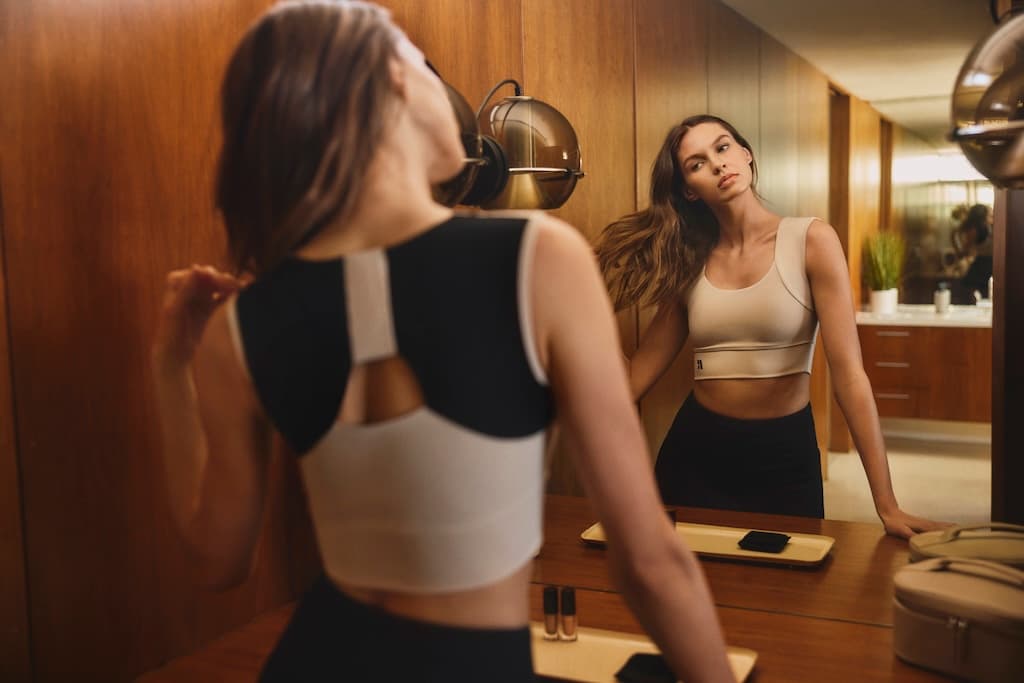
Forme used Kalshi to hedge a World Cup refund promo, which helped lift the brand's menswear traffic on its site. The campaign is a novel example of how e-commerce brands could use predictions markets as marketing tools.
Source Lens
Industry Context
Useful background context, but lower-priority than direct platform, community, or operator intelligence.
Impact Level
medium
Use this briefing to decide whether your team needs an immediate workflow, policy, or reporting change.
Key Stat / Trigger
No single quantitative trigger surfaced in this report.
Focus on the operational implication, not just the headline.
Full Coverage
Digital Marketing Redux // July 7, 2026 Why Forme launched a World Cup promotion hedged on Kalshi By Gabriela Barkho Courtesy of Forme As prediction markets become increasingly mainstream, consumers may start to see mentions of them in their online shopping carts.
Last week, sportswear brand Forme ran a unique campaign; it claimed to be the first brand to launch an e-commerce promotion hedged on a prediction market, in partnership with prediction market platform Kalshi and promotions platform PlayAbly.
Between June 26 and June 30, customers who purchased from Forme’s website using the “Team USA” promo code would get a 100% cash refund on their order if the U. S. Men’s National Team makes the World Cup final. Unfortunately, the team lost its match against Belgium on Monday, dashing customers’ hopes for refunds.
Still, the promotion generated an influx of interest. According to Forme, the brand saw a 4X increase in week-over-week traffic for its menswear products and nearly 20X traffic to its top men’s styles. To facilitate the promotion — and to limit the risk Forme took on — Kalshi partnered with PlayAbly to help process the payout.
According to Nicolas Hull, director of business development at Kalshi, these types of betting promotions show that prediction markets can function as a form of “business insurance” for retail brands.
Hull said that by using Kalshi’s betting capabilities, Forme is testing how e-commerce retail brands can leverage prediction markets as an effective marketing and sales-driving tool. Alan Chen, vp of finance at Forme, said that Kalshi sought out Forme for the experimental promo, and Forme quickly agreed to put the campaign together in time for the U. S.
Men’s National Team’s match against Bosnia Herzegovina on July 1. He added that while the World Cup angle made for buzzy timing, Forme was primarily interested in using the opportunity to promote that its products are made in the United States.
“We have been made in the USA pretty much close to the beginning, and we always look for opportunities to really highlight that,” Chen said. Forme is also trying to grow its men’s offerings through this sports betting promo.
Chen said that while the brand has become known for its women’s products, such as a posture-correcting bra, it’s also building out a portfolio of men’s science-backed sportswear. The company sells a range patented posture-correcting apparel, including its Smart Tee, Smart Alignment Shorts and Arch Booster Sock.
The promotion was straightforward: Customers who made purchases during the allotted shopping window got 100% cashback, excluding taxes and shipping, if the U. S. advanced into the World Cup final. Chen explained that Forme’s payout to PlayAbly is a predetermined percentage. Forme paid PlayAbly an underwriting fee for it to take on the risk on Kalshi.
If Team USA won, PlayAbly would be the party to pay out to customers who purchased under this promotion. Chen added that Forme wanted to cautiously test the concept with its own customer base first, promoting the Kalshi campaign through emails, SMS and its social media pages.
“We were a bit cautious of how to promote it, as we’re basically the pioneer testing this concept. We wanted to be a bit measured in where we put it out,” Chen said. There is precedent for the Forme campaign, as more brands and sports organizations test campaigns centered on sports predictions.
Most recently, a bar in New York City covered $100 of customers’ tabs after the Knicks won the first game of the NBA finals against the San Antonio Spurs. The owner was able to cover the prizes by hedging $5,000 on the Knicks through Kalshi.
Martin Conway, adjunct professor of sports marketing at Georgetown’s McDonough School of Business, echoed that this is not necessarily a breakthrough type of campaign. There’s a precedent of mattress companies and furniture companies offering to refund customers if some longshot sports outcome is achieved.
Earlier this year, Connecticut-based Jordan’s Furniture took on the risk of refunding customers for all purchases between between Jan. 20 and March 1 — which would have totaled $50 million — if both the men and women’s UConn basketball teams reached their respective national championship games.
“But now, what you have is a prediction market like Kalshi stepping in and adding another element to it,” Conway said. Conway went on to say that, with the public’s increasing consciousness of the prediction market, it makes sense that companies like Kalshi are seeking out hedged bets from retail brands.
If the Forme promotion is successful in generating sales, Conway said this opens up the opportunity for Kalshi to run other national promotions around sports, such as the next Olympics or other professional league finals like hockey and basketball. For brands, Conway said, the investment has to be weighed against
Original Source
This briefing is based on reporting from Modern Retail. Use the original post for full primary-source context.
Style
Audience