

Billions in tariff refunds begin flowing as CAPE portal launches
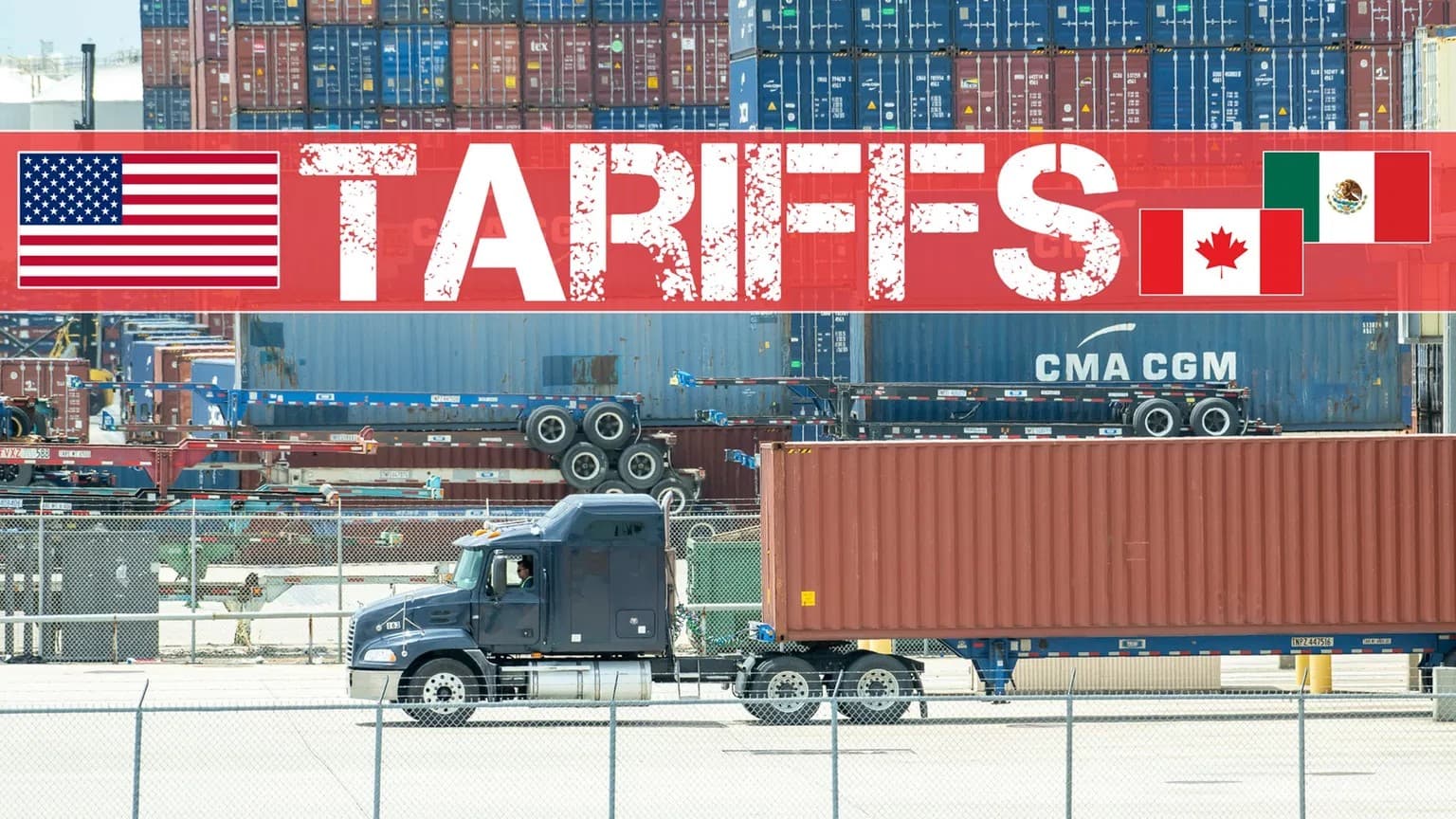
CBP's new CAPE portal launched April 20 allows importers to claim refunds from invalidated IEEPA tariffs, with $46 billion in refunds stalled for importers lacking ACH setup. Early refunds are processing faster than the projected 60-90 days.
Sellers importing goods who paid these tariffs could recover significant duties, but only if they have proper ACE portal access and bank authorization set up. Many smaller importers are missing out because they lack the digital infrastructure larger companies already established.
This reflects broader regulatory shifts unwinding previous trade policies, creating cash flow opportunities for sellers who can navigate complex compliance systems while disadvantaging smaller players without proper digital infrastructure.
Check your customs broker records for IEEPA tariff payments from recent years - these may be eligible for refunds through the CAPE portal.
Set up ACE portal access and ACH refund authorization immediately if you import directly, as $46B in refunds are stalled for unprepared importers.
Bottom Line
CAPE tariff refunds flowing means potential cash back for prepared importers.
Source Lens
Industry Context
Useful background context, but lower-priority than direct platform, community, or operator intelligence.
Impact Level
medium
CAPE tariff refunds flowing means potential cash back for prepared importers.
Key Stat / Trigger
$46 billion in refunds stalled for importers lacking ACH authorization
Focus on the operational implication, not just the headline.
Full Coverage
The rollout of the U. S. Customs and Border Protection’s (CBP) new tariff refund portal is off to a strong start, but a clear divide is emerging between importers ready to file and those still scrambling to prepare.
The Consolidated Administration and Processing of Entries (CAPE) tool, launched April 20 within CBP’s Automated Commercial Environment (ACE), allows importers to submit consolidated refund claims tied to invalidated IEEPA tariffs.
Phase 1 of the rollout focuses on unliquidated entries and those within 80 days of liquidation, with additional phases expected to expand eligibility. Early signs suggest the system is working more efficiently than many expected, said Erin Williamson of GEODIS window. googletag = window. googletag || {cmd: []}; googletag. cmd. push(function() {googletag.
defineSlot('/21776187881/FW-Responsive-Main_Content-Slot1', [[300, 100], [320, 50], [728, 90], [468, 60]], 'div-gpt-ad-1709668545404-0'). defineSizeMapping(gptSizeMaps. banner1). addService(googletag. pubads()); googletag. pubads(). enableSingleRequest(); googletag. pubads(). collapseEmptyDivs(); googletag. enableServices(); }); googletag. cmd.
push(function() {googletag. display('div-gpt-ad-1709668545404-0'); }); “I do think that speaks to the CAPE system and the way that it’s working and the streamlined processing of the CAPE process,” Williamson, GEODIS’ vice president of U. S. Customs Brokerage, told FreightWaves in an interview.
“I say kudos to CBP in that regard that it is flowing so smoothly.” GEODIS is a global provider of transportation, warehousing and supply chain solutions, offering services across freight forwarding, contract logistics, distribution and express deliveries, and road transport.
The France-based company operates in nearly 166 countries with about 49,720 employees. CBP initially indicated refunds could take 60 to 90 days, but early filings may be processed sooner. “They’re looking to have the refunds out … in the beginning of May or in the first half of May,” Williamson said. “So well before that.”
The faster-than-expected timeline is welcome news for importers eager to recover duties following the Supreme Court’s February decision invalidating IEEPA-based tariffs. Despite the positive early performance, some importers are encountering challenges with rejected filings—and limited visibility into why.
“They’re not telling you, oh, this entry was rejected because of line 45 out of 600 lines,” Williamson said. “So you’re really going in sometimes blind into what could have been the root cause of the rejection.” window. googletag = window. googletag || {cmd: []}; googletag. cmd. push(function() {googletag.
defineSlot('/21776187881/fw-responsive-main_content-slot3', [[728, 90], [468, 60], [320, 50], [300, 100]], 'div-gpt-ad-1665767553440-0'). defineSizeMapping(gptSizeMaps. banner1). addService(googletag. pubads()); googletag. pubads(). enableSingleRequest(); googletag. pubads(). collapseEmptyDivs(); googletag. enableServices(); }); googletag. cmd.
push(function() {googletag. display('div-gpt-ad-1665767553440-0'); }); Williamson said some rejection messages have been tied to timing issues or statements that don’t clearly align with filing requirements, leaving brokers and importers waiting for clarification from CBP.
While headlines have highlighted large importers expecting massive refunds, Williamson said the process is not inherently favoring bigger companies. “I don’t think that it’s favoring bigger importers at all,” she said. Instead, the advantage lies in operational readiness. “A lot of our larger importers were already set up on the portal.
They already had their ACH refund set up,” Williamson said. “So they have the internal capacity to just keep up with all of these changes.” window. googletag = window. googletag || {cmd: []}; googletag. cmd. push(function() {googletag.
defineSlot('/21776187881/fw-responsive-main_content-slot4', [[300, 100], [320, 50], [728, 90], [468, 60]], 'div-gpt-ad-1709668086344-0'). defineSizeMapping(gptSizeMaps. banner1). addService(googletag. pubads()); googletag. pubads(). enableSingleRequest(); googletag. pubads(). collapseEmptyDivs(); googletag. enableServices(); }); googletag. cmd.
push(function() {googletag. display('div-gpt-ad-1709668086344-0'); }); By contrast, smaller and midsize importers—and some foreign importers of record—are still working to establish ACE accounts and link bank information for refunds. The readiness gap could delay access to billions of dollars in refunds.
CBP estimates roughly $46 billion in refunds is currently stalled for importers that have not completed ACH refund authorization. Williamson said the issue is less about the CAPE system itself and more about years of uneven digital adoption among importers. “It’s not a root cause, it’s not the CAPE system,” she said.
“It’s just … where certain importers are at in their preparedness.” Beyond immediate refunds, Williamson said the CAPE rollout underscores a broader shift in how importers manage compliance and data. window. googleta
Original Source
This briefing is based on reporting from Freightwaves. Use the original post for full primary-source context.
Style
Audience