Lego taps e-methanol to make certain products, cut reliance on fossil fuels
The Danish toymaker said it has started using low-carbon fuel to produce over 90 components like steering wheels, connectors and Minifigure hands to reduce its dependency on virgin fossil fuel.
Source Lens
Industry Context
Useful background context, but lower-priority than direct platform, community, or operator intelligence.
Impact Level
medium
Use this briefing to decide whether your team needs an immediate workflow, policy, or reporting change.
Key Stat / Trigger
No single quantitative trigger surfaced in this report.
Focus on the operational implication, not just the headline.
Full Coverage
An article from Dive Brief Lego taps e-methanol to make certain products, cut reliance on fossil fuels The Danish toymaker said it has started using low-carbon fuel to produce over 90 components like steering wheels, connectors and Minifigure hands to reduce its dependency on virgin fossil fuel. Published Oct.
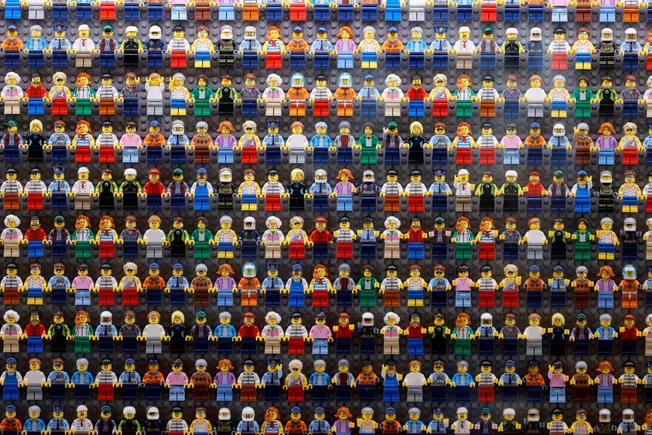
16, 2026 Zoya Mirza Editor Share Copy link Email / Print License Add us on Google A wall of Lego minifigures is encased inside the lobby of the LEGOLAND New York Hotel during its grand opening at the LEGOLAND Resort on August 06, 2021, in Goshen, New York.
Michael Loccisano via Getty Images First published on Listen to the article 3 min This audio is auto-generated. Please let us know if you have feedback.
Dive Brief: Lego has started using e-methanol or electro-methanol, a low-carbon fuel produced with renewable energy and recycled carbon dioxide, to produce over 90 products in a bid to cut its reliance on conventional fossil fuels. The toymaker, known for its children’s plastic bricks, said in a Sept.
30 release that the e-methanol is being used to make a range of different products like steering wheels, connectors, cross axles and Minifigure hands. Lego has made over 4 billion Minifigures since 1978, according to a 2020 estimate, with the current production figure expected to be significantly higher.
Lego said the increased use of the renewable material was due to a 2023 partnership it inked with Danish renewable energy producer European Energy and healthcare company Novo Nordisk, with the aim of substituting fossil fuel-based plastic with lower-carbon alternatives for some products.
Dive Insight: Lego said the partnership supports the production of e-methanol on an industrial scale, allowing the retailer to use the renewable alternative to produce certain plastic components or “elements.”
E-methanol not only offers reduced lifestyle greenhouse gas emissions, compared to conventional methanol or petroleum fuels, but also helps create a circular carbon economy by utilizing captured carbon dioxide into a renewable fuel and chemical feedstock.
The low-carbon alternative offers a “viable path” for cutting emissions in hard-to-abate sectors like shipping and chemical manufacturing, according to the World Economic Forum. Lego said it introduced e-methanol into the production process of plastic after spending five years testing, learning and scaling the sustainable liquid fuel.
“This marks the latest step on our journey to increase the recycled and renewable materials we purchase to make Lego products, without compromising on safety, quality or durability,” the toymaker said in the release.
The Danish retailer has set several sustainability targets in recent years, including a goal to achieve net-zero emissions by 2050 and reduce its absolute carbon emissions by 37% by 2032, compared to a 2019 baseline — a goal it previously told ESG Dive it was on track to meet.
However, Lego noted that embedding ethanol into its plastic production process has been “a complex journey.” “The challenge has not only been identifying a renewable alternative, but also working with suppliers to integrate the new material into existing manufacturing infrastructure and production methods,” the company said in the release.
Recommended Reading Lego to spend $400M to add warehouse space at Mexico plant By Sara Samora • Sept. 25, 2026 Add us on Google Share Copy link Email / Print License Filed Under: Procurement, Manufacturing
Original Source
This briefing is based on reporting from Supply Chain Dive. Use the original post for full primary-source context.
Style
Audience