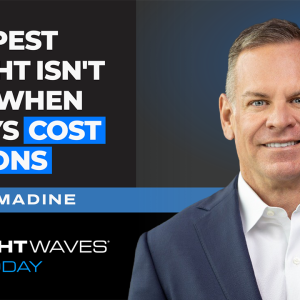
Cheapest Freight Isn’t Best When Delays Cost Millions
ShipStation Global launched its LTL freight product, combining parcel, LTL, and future truckload/ocean capabilities into one platform for SMB shippers. The merger of Auctane (ShipStation/Stamps.com) and WWEX Group now enables multi-modal shipping management without leaving the ShipStation workflow.
Logistics tech consolidation is compressing the broker layer — platforms are absorbing freight brokerage functions, which means fewer middlemen but also more lock-in risk for sellers who centralize all shipping decisions in one vendor.
SMB sellers currently juggling separate freight brokers for LTL and parcel will gain consolidated rate shopping and reliability data in one dashboard — reducing the risk of choosing cheap freight that delays high-value inventory. If you ship inbound FBA or WFS inventory via LTL, this platform could replace your freight broker relationship.
Operational Impact
This story may require teams to revisit workflows, monitoring, or platform assumptions.
Bottom Line
ShipStation adds LTL, giving SMB sellers one platform for all freight modes.
Source Lens
Industry Context
Useful background context, but lower-priority than direct platform, community, or operator intelligence.
Impact Level
medium
ShipStation adds LTL, giving SMB sellers one platform for all freight modes.
Key Stat / Trigger
400+ parcel carrier connections globally across the combined ShipStation Global platform
Focus on the operational implication, not just the headline.
Full Coverage
#fwtv_8DcNYTXkqMQ. fwtv-panel{border:1px solid #d0d0d0;padding:18px;border-radius:6px;line-height:1. 6}#fwtv_8DcNYTXkqMQ. fwtv-panel p{margin:0 0 12px}#fwtv_8DcNYTXkqMQ. fwtv-note{font-style:italic;color:#666;margin-top:16px;padding-top:12px;border-top:1px solid #e0e0e0}Cheapest freight isn’t always best, especially when a late shipment can cost millions.
ShipStation Global CEO Tom Madine breaks down why SMB shippers need parcel, LTL and truckload in one workflow, and why better freight decisions now matter more than just lower rates.
From the merger that created ShipStation Global to adding more modes into the platform, this conversation gets into where shipping tech is heading, how data shapes carrier selection, and what smaller shippers actually need from logistics partners.
#FreightTech #LTL #SupplyChain ShipStation Global is formally launching its less-than-truckload product, marking the first tangible freight expansion since the merger of software provider Auctane, formerly the parent of the Stamps. com andShipStation,and WWEX Group, which previously housed freight brokerages like Worldwide Express.
The company’s CEO said the rollout represents the opening move in a broader strategy to let small and midsize shippers purchase and manage all transportation modes through a single platform.
“Today’s the first day we’ve really launched the LTL product,” said Tom Madine, CEO of ShipStation Global, noting the company plans to add truckload, final mile, and eventually ocean and forwarding capabilities after establishing its inland position.
The strategic rationale centers on eliminating the workflow gap that forced ShipStation users to leave the platform whenever they needed to move freight beyond parcel. Customer surveys repeatedly flagged the absence of additional modes as the top improvement request, he said.
With LTL now integrated, shippers can manage inbound inventory movements alongside outbound parcel without switching systems. “Cheapest is not always best…But at the same time, you don’t want to overpay,” Madine said, illustrating the point with a customer whose engine shipments carry multi-million-dollar consequences if delayed.
The combined company manages more than 400 connections to parcel carriers globally and holds the largest multi-carrier shipping software position in North America, with meaningful market share in the U. K. , Italy, Spain, and Australia.
Madine said the SMB and middle-market segments in Europe represent the next growth lever, as the company’s European footprint is currently strongest at the enterprise and micro ends of the market.
Madine described the 90-day-old integration as smoother than previous acquisitions the company has completed, attributing the lack of friction to the complementary rather than overlapping skill sets of the two legacy businesses.
Octane brought product engineering and marketing depth while Worldwide Express contributed carrier relationships and commercial distribution — leaving little redundancy and limited organizational conflict over turf.
On pricing intelligence, Madine said the platform’s data capabilities are designed to help shippers move beyond rate-chasing toward carrier selection based on reliability and estimated outcomes.
The company intends to expand those tools as it pushes LTL deeper into its e-commerce customer base, giving smaller merchants visibility into freight market cycles that Madine said most SMB operators have neither the time nor the resources to track on their own.
This Summary is generated thanks to a transcription of the interview, for the full interview please enjoy the video above. The post Cheapest Freight Isn’t Best When Delays Cost Millions appeared first on FreightWaves.
Log into ShipStation and check if LTL rate shopping is live in your account — if you ship 150-20,000 lb inbound loads to Amazon FBA or Walmart WFS, compare LTL quotes here before booking with a standalone broker.
In the next 30 days, audit your inbound freight workflow: if you switch platforms or make manual calls to book LTL, test ShipStation Global's new unified flow to cut booking time and gain carrier reliability scoring.
Original Source
This briefing is based on reporting from Freightwaves. Use the original post for full primary-source context.
Style
Audience