

Biggest US port getting a big check for fix-ups
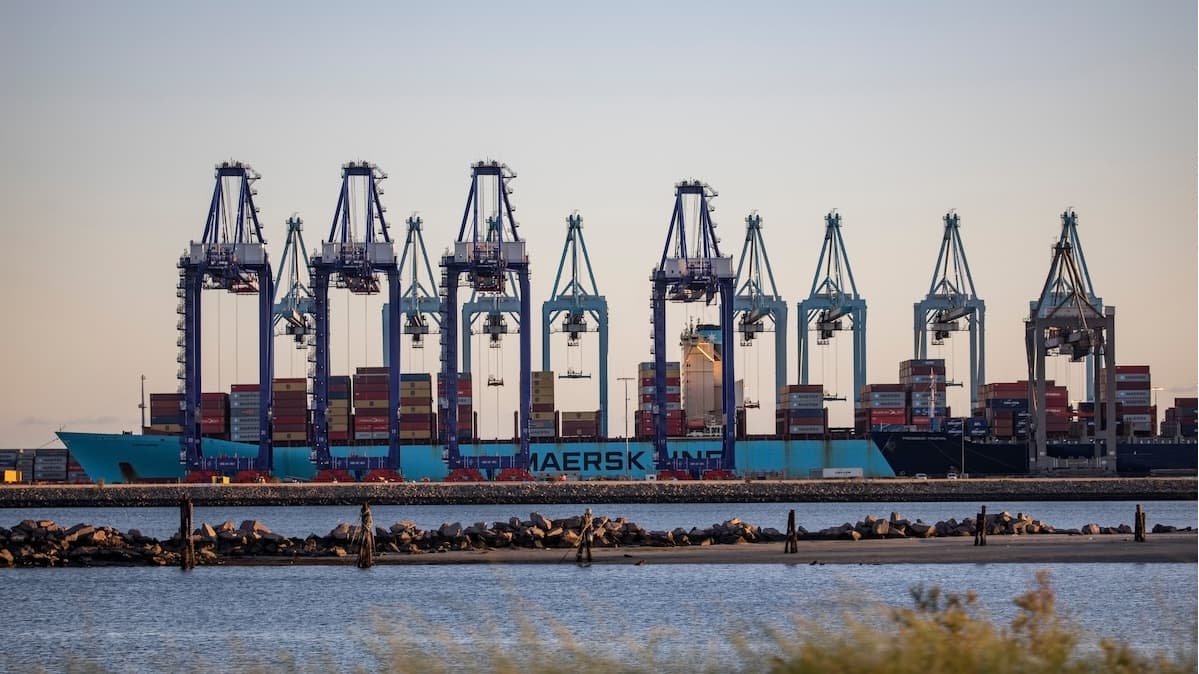
The Port of Los Angeles received $70 million in federal funding for infrastructure repairs and seismic upgrades, part of $131.8 million allocated to the San Pedro Bay port complex. The funding addresses a backlog of over $6 billion in maintenance projects at the nation's busiest container gateway.
Improved port infrastructure should reduce congestion and delays that drive up shipping costs and inventory planning complexity. Monitor your inbound shipment transit times over the next 12 months as these upgrades could stabilize supply chain predictability.
This fits the broader trend of supply chain resilience investments following pandemic disruptions, potentially reducing the shipping volatility that has plagued marketplace sellers since 2020.
Track average inbound shipment delays in your logistics dashboard -- if delays decrease 10%+ by Q2 2027, factor improved reliability into inventory planning.
Review your West Coast vs East Coast shipping split now to optimize for potential LA port efficiency gains.
Bottom Line
LA port upgrades mean more reliable West Coast shipping for sellers.
Source Lens
Industry Context
Useful background context, but lower-priority than direct platform, community, or operator intelligence.
Impact Level
medium
LA port upgrades mean more reliable West Coast shipping for sellers.
Key Stat / Trigger
$70 million allocated to Port of Los Angeles infrastructure
Focus on the operational implication, not just the headline.
Full Coverage
The U. S. Army Corps of Engineers has allocated approximately $70 million to the Port of Los Angeles for harbor maintenance, seismic resiliency and navigational safety improvements. The funds, from the Harbor Maintenance Trust Fund (HMTF), totaled a record $131.
8 million for the San Pedro Bay complex, the busiest container gateway that includes the Port of Long Beach. While Los Angeles and other “donor ports” contribute over half of the total funding to the HMTF through a tax on import cargo, they have traditionally received less than 3% of that funding back for harbor improvements.
Reforms enacted in 2020 established a framework to address this imbalance and an initial round of funding was allocated to donor ports in Fiscal Year 2024. However, no funding was allocated in fiscal 2025, leading to additional reforms enacted this year that ensure consistent implementation of this equitable funding formula. Congress appropriated $3.
245 billion in HMTF funding for fiscal 2026; $416. 8 million specifically for maintenance of donor and energy ports through the Water Resources Development Act. LA in 2025 generated $301 billion in trade and handled the equivalent of 10. 2 million containers.
“After years of donor and energy transfer ports being shortchanged, I’m pleased to see the Army Corps finally implementing the reforms Congress enacted in 2020 to ensure these ports receive their fair share,” said Democratic Sen. Alex Padilla, in a statement.
“When I raised this directly with Assistant Secretary [of the Army Adam] Telle earlier this year, he committed to following the law – and this funding reflects that commitment.
These investments will allow the ports of Los Angeles and Long Beach to move forward on critical infrastructure and maintenance projects, including seismic upgrades, wharf repairs, and other essential improvements that keep our supply chains strong and resilient.” Calling the port a leading economic driver for California and the U. S. , Sen.
Adam Schiff, also in a statement, said, “These critical funds will address long overdue maintenance projects and safety upgrades – ensuring the port remains one of the finest global trade hubs in the world.” LA has a punchlist of more than $6 billion in navigational maintenance and repair projects, said Port Executive Director Gene Seroka.
“With this support, repairs can move forward more quickly, ensuring that our Port’s infrastructure continues to meet world-class expectations.”
The port plans to use its HMTF allocation for priority projects that include dredging, seismic safety upgrades, wharf and fender repairs, pile replacements, sediment removal and remediation, and improvements to slips and channels. Read more articles by Stuart Chirls here.
Original Source
This briefing is based on reporting from Freightwaves. Use the original post for full primary-source context.
Style
Audience