Walmart Return Pallets for Sale: How to Buy Walmart Liquidation Pallets in 2026
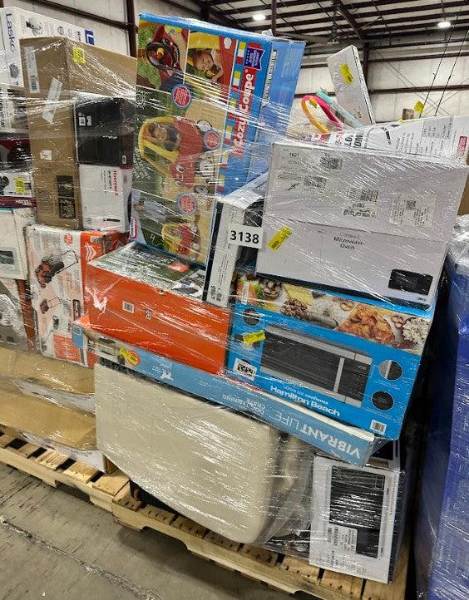
SellerApp outlines the Walmart liquidation pallet ecosystem for 2026, covering sourcing platforms (B-Stock, Direct Liquidation, Walmart Liquidation Auctions) and the critical post-purchase listing gap that kills ROI for most resellers on Walmart Marketplace.
As Walmart Marketplace grows more competitive, resellers treating it like eBay or Facebook Marketplace will get squeezed out — algorithmic visibility on Walmart requires the same listing discipline as Amazon, raising the execution bar for liquidation flippers.
The real failure point isn't sourcing — it's listings with near-zero impressions due to no keyword strategy or Buy Box targeting. Pull your Walmart Marketplace Item Performance report and filter for items with under 1,000 impressions in 30 days before assuming liquidation inventory is unsellable.
Operational Impact
This story may require teams to revisit workflows, monitoring, or platform assumptions.
Bottom Line
Walmart liquidation pallets fail at the listing, not the loading dock.
Source Lens
Industry Context
Useful background context, but lower-priority than direct platform, community, or operator intelligence.
Impact Level
low
Walmart liquidation pallets fail at the listing, not the loading dock.
Key Stat / Trigger
No single quantitative trigger surfaced in this report.
Focus on the operational implication, not just the headline.
Full Coverage
Walmart liquidation pallets are bulk lots of returned, overstock, and shelf-pull inventory sold through marketplaces like B-Stock, Walmart Liquidation Auctions, and Direct Liquidation. Buyers purchase Walmart return pallets, truckloads, and wholesale lots at discounted prices for resale across Amazon, eBay, Facebook Marketplace, bin stores, and flea markets.
For resellers, Walmart liquidation can create real profit opportunities. But after working with hundreds of Walmart Marketplace sellers at SellerApp, we kept seeing the same pattern repeat itself in a way that surprised even us. The sellers losing money were not buying bad pallets.
They were buying reasonable inventory, receiving it, sorting it, and then listing it the same way everyone else does: a generic title, a price based on gut feel, no keyword strategy, no Buy Box awareness. On Walmart Marketplace, that approach does not just hurt performance. It makes inventory effectively invisible.
We had one seller come to us frustrated after two consecutive pallets that “did not sell.” When we pulled their listing data, the products had impressions close to zero. The inventory was fine. Demand existed. Nobody was finding the listings.
That is the part of Walmart liquidation no sourcing guide covers, because most sourcing guides stop at the loading dock. This guide does not. It covers how Walmart return pallets actually work, where buyers lose money on the sourcing side, and what has to happen after delivery for any of it to be worth it. Quick Guide: What Are Walmart Return Pallets?
Walmart Liquidation Pallets for Sale What’s Actually Inside a Walmart Liquidation Pallet? Returns vs Overstock vs Shelf Pulls: What’s the Difference? Why Does Walmart Liquidate Its Inventory? Liquidation Terms You Need to Know Before You Buy Where to Buy Walmart Return Pallets in 2026 What Categories of Products Are Available on Walmart Pallets?
Manifested vs Unmanifested Pallets: Which Should You Buy? How to Buy a Walmart Liquidation Pallet: Step-by-Step What SellerApp Data Shows About Walmart Liquidation Sellers Walmart Liquidation Truckloads vs Single Pallets: Which Makes More Sense? Walmart Wholesale Pallets vs Return Pallets: What’s the Real Difference?
How Much Do Walmart Liquidation Pallets Cost? Key Takeaways Before You Buy Your First Walmart Pallet FAQ What Are Walmart Return Pallets? Walmart return pallets are bulk inventory lots made up of products removed from Walmart’s regular retail flow and sold through liquidation channels.
These pallets can include customer returns, excess inventory, shelf pulls, discontinued products, seasonal merchandise, and occasionally unopened overstock items. Product condition varies heavily, sometimes within the same pallet.
One box may contain brand-new inventory in factory packaging, while another may include damaged products, missing accessories, opened electronics, or items that require testing before resale. What many first-time buyers do not realize is that liquidation inventory is rarely sorted for reseller convenience.
Mixed pallets often combine fast-moving products with low-demand inventory that retailers could not move through traditional clearance channels. Experienced buyers usually spend less time looking at the listed MSRP and more time evaluating category demand, return rates, and how much labor the inventory will require after delivery.
Another reality many beginners discover late is that not all “high-value” inventory inside manifests is equally recoverable. Certain products may be incomplete, difficult to test, expensive to ship individually, or simply too slow-moving to justify the storage space. For Walmart, liquidation solves a logistics problem.
Holding returned or aging inventory often costs more than clearing warehouse space and recovering a portion of the product value through liquidation marketplaces. For resellers who understand those risks, Walmart return pallets can create access to inventory at prices far below traditional wholesale channels.
Walmart liquidation truckloads Walmart Liquidation Pallets for Sale Walmart liquidation pallets for sale are available through several verified marketplaces that source inventory directly from Walmart’s reverse logistics network.
Unlike third-party resellers, these platforms provide direct access to returned, overstock, and shelf-pull inventory at wholesale prices. Buyers looking for Walmart liquidation pallets for sale should compare manifest availability, shipping costs, and inventory categories before committing to a purchase.
A pallet listed at a low price does not always represent the best value once freight and potential losses are calculated. The most active platforms for Walmart liquidation pallets for sale include Walmart Liquidation Auctions, B-Stock, and Direct Liquidation.
Each platform serves different buyer types depending on experience level, budget, and inventory goals. Expense CategorySmall Mixed PalletElectronics PalletPartial TruckloadInitial Pallet P
Before bidding on any manifested pallet, cross-reference SKUs against Walmart's Item Catalog using SellerApp or Helium 10 to verify search volume exists — zero-demand inventory is a cash trap regardless of MSRP.
Within 7 days of receiving liquidation inventory, build keyword-optimized titles using Walmart's backend search term fields and check Buy Box ownership on matching listings — competing blind is why two consecutive pallets 'didn't sell.'
Original Source
This briefing is based on reporting from SellerApp Blog. Use the original post for full primary-source context.
Style
Audience