

Changes to USA exports from 24th July
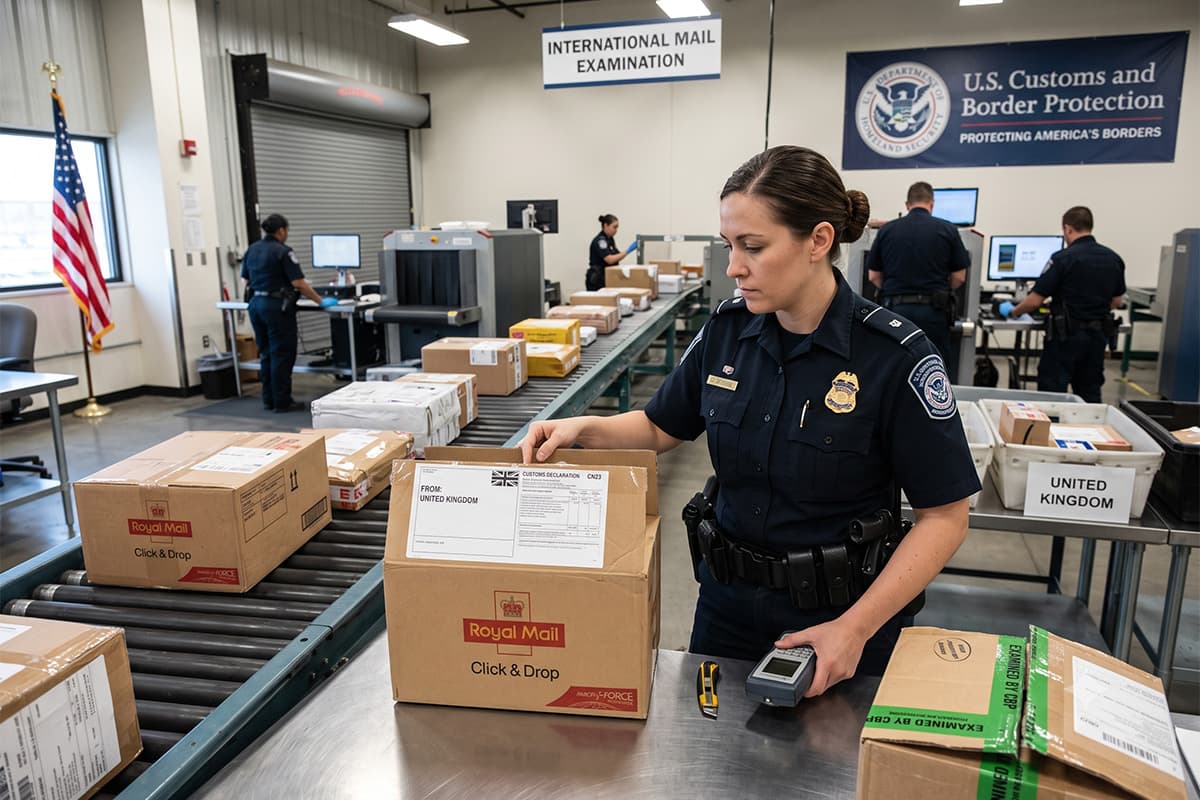
On the 24th of July 2026, the way US import tariffs are calculated for shipments sent through national postal services is changing. Postal USA exports from the UK (and around the world) will be calculated more like courier shipments, which are sent through private or express shipping companies. US Customs and Border Protection are introducing […]
Source Lens
Industry Context
Useful background context, but lower-priority than direct platform, community, or operator intelligence.
Impact Level
medium
Use this briefing to decide whether your team needs an immediate workflow, policy, or reporting change.
Key Stat / Trigger
No single quantitative trigger surfaced in this report.
Focus on the operational implication, not just the headline.
Full Coverage
On the 24th of July 2026, the way US import tariffs are calculated for shipments sent through national postal services is changing. Postal USA exports from the UK (and around the world) will be calculated more like courier shipments, which are sent through private or express shipping companies.
US Customs and Border Protection are introducing new import procedures which may affect how shipments are assessed, cleared and charged upon arrival in the USA. These developments form part of a broader evolution of the US import regime and may impact both import costs and clearance processes.
That means tariff rates may vary based on the type of item you’re shipping, not just the country of origin. Your costs to ship to US buyers may increase. Royal Mail advise that from the 24th of July 2026, goods sent to the USA through postal channels may be subject to a wider range of customs duties and tariffs than previously applied.
For the first time, postal shipments may be assessed against: Most Favoured Nation (MFN) customs duties Section 232 tariffs Section 301 tariffs Other applicable import duties and charges These measures apply to specific products and sectors and may result in additional import charges depending on the nature, classification and origin of the goods being exported.
Consequently, some shipments may incur higher import costs than previously experienced. What does this mean for your business? Whilst additional duties and tariffs may increase the landed cost of exporting to the USA, US authorities are also placing greater emphasis on customs data quality and regulatory compliance to support import clearance.
Customers should expect: Increased scrutiny of customs declarations and product information. Greater importance of accurate product classification and country of origin data. More detailed review of shipments entering the USA. Different clearance processes depending on the type of goods being exported.
Providing complete and accurate customs information will help minimise the risk of delays, unexpected charges and customs interventions. What should you do now for your USA exports? Royal Mail recommend that you: Review the customs classifications used for products exported to the USA.
Ensure product descriptions, values and origin information are accurate and complete. Assess the potential impact of additional duties on pricing and landed costs. Review internal processes to ensure customs information can be provided accurately and consistently.
Original Source
This briefing is based on reporting from Tamebay. Use the original post for full primary-source context.
Style
Audience