

Why brands like Untuckit are experimenting with robot-made T-shirts
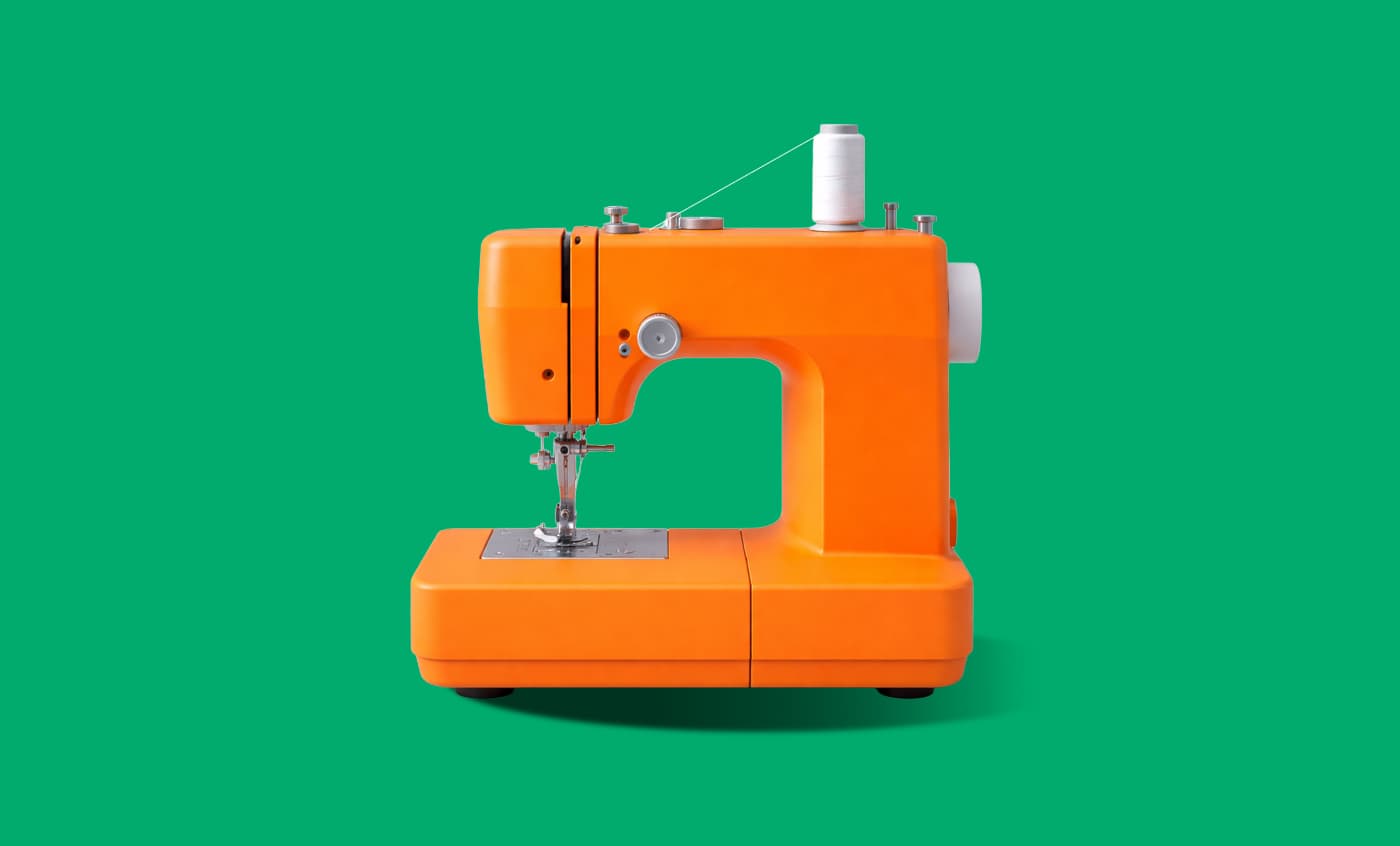
Some companies like Untuckit are experimenting with robotics to boost their "Made in USA" production.
Source Lens
Industry Context
Useful background context, but lower-priority than direct platform, community, or operator intelligence.
Impact Level
medium
Use this briefing to decide whether your team needs an immediate workflow, policy, or reporting change.
Key Stat / Trigger
No single quantitative trigger surfaced in this report.
Focus on the operational implication, not just the headline.
Full Coverage
Supply Chain Shakeup // July 20, 2026 Why brands like Untuckit are experimenting with robot-made T-shirts By Melissa Daniels Below is the latest edition of Modern Retail’s Supply Chain Weekly newsletter, which goes out on Mondays at 10 a. m. ET, and dives into all things logistics and supply chain during a tumultuous time for the retail industry.
To receive this weekly in your inbox, click here. Tariffs have yet to bring back U. S. manufacturing. But in the apparel industry, some executives see AI-powered robotics as a way to help boost domestic production.
While President Donald Trump’s tariff actions aimed to revive “Made in the USA” manufacturing, that has yet to materialize based on import numbers that show increases in goods coming from Asian countries like Vietnam and Cambodia, as well as Europe and Mexico.
Bjorn Bengtsson, chief product and supply chain officer at apparel brand Untuckit, said the company used to have more products coming from China. But tariffs changed the math on imports and caused some partners to relocate to places like Vietnam, India and Madagascar.
Such moves are incredibly challenging for brands to undertake no matter where they land, Bengtsson said. “[China] is the No. 1 country for apparel manufacturing because the quality is excellent and the service is excellent,” he said. “So as soon as you move out of that region, you’re definitely going to encounter issues.”
He said he’d like to produce more products in the United States because of the potential to use more high-quality American cotton and have the product made closer to the customer. But the cost of a shirt could reach as high as $195, compared to the current $79-$150 range, due to the higher expenses associated with bespoke U. S. apparel suppliers.
But that’s where companies that use AI-powered robotics can help change the math. Automating parts of the process may help companies reduce labor costs, as some manufacturers in China have already implemented. Bengtsson is open to experimenting.
He has worked with the California-based AI robotics company CreateMe on a T-shirt project that creates on-demand, stitch-free apparel. Rather than sewing, its process uses AI-enabled robots that use adhesives to put garments together.
The line is still in development, and more details on retail sales will be announced later this year, according to a CreateMe spokesperson. CreateMe’s website says it can handle high-volume orders, or as few as 100 units. “It’s also a very interesting way of making a T-shirt that looks exactly the same as a stitch T-shirt,” he said.
“I try to find more of those opportunities, of course, and if they exist, I will produce them.” Bengtsson’s experimentation and curiosity about robotics point to a larger industry trend, where business executives see AI and robotics as key to easing supply chain costs and challenges.
Prologis, a logistics real estate company, stated in its 2026 Supply Chain Outlook Report that about 70% of organizations say they’re already using more AI in their supply chain operations. The report, conducted by The Harris Poll, surveyed over 1,800 business leaders about supply chain management concerns.
Three out of four executives said AI was their top investment priority, followed by about four in 10 who said supplier relationships were the highest priority. “Organizations must accelerate AI adoption or risk competitive obsolescence as automation becomes table stakes,” the report says.
But the technology still has a long way to go before becoming the sole way a company like Untuckit makes its garments. Bengtsson said a woven shirt with a collar, the bread and butter of Untuckit’s product lineup, requires the collar to be carefully stitched around a neck hole.
And so far, he hasn’t seen a quality robotic-driven solution that can make that kind of shirt. “Automation is great, but if the collar doesn’t look good, it doesn’t help me,” he said. Still, Bengtsson said he sees a future in AI-powered automation, especially when it comes to helping brands make items faster or closer to their point of sale.
“I do believe in automation, and I do believe that AI is going to help the factories in the United States to reach better efficiencies,” he said. The week in tariffs This week, 25% tariffs on Brazilian imports are set to go into effect.
It’s President Trump’s latest attempt to impose more tariffs after the Supreme Court last year that the administration overstepped its authority last year with its sweeping “Liberation Day tariffs.” Last year, the Trump administration tried to impose a wide swath of tariffs by citing an economic emergency powers law.
But to impose the Brazil tariffs, the administration is relying on Section 30
Original Source
This briefing is based on reporting from Modern Retail. Use the original post for full primary-source context.
Style
Audience