

Faire opens its marketplace up to hotels, offices and non-retail customers
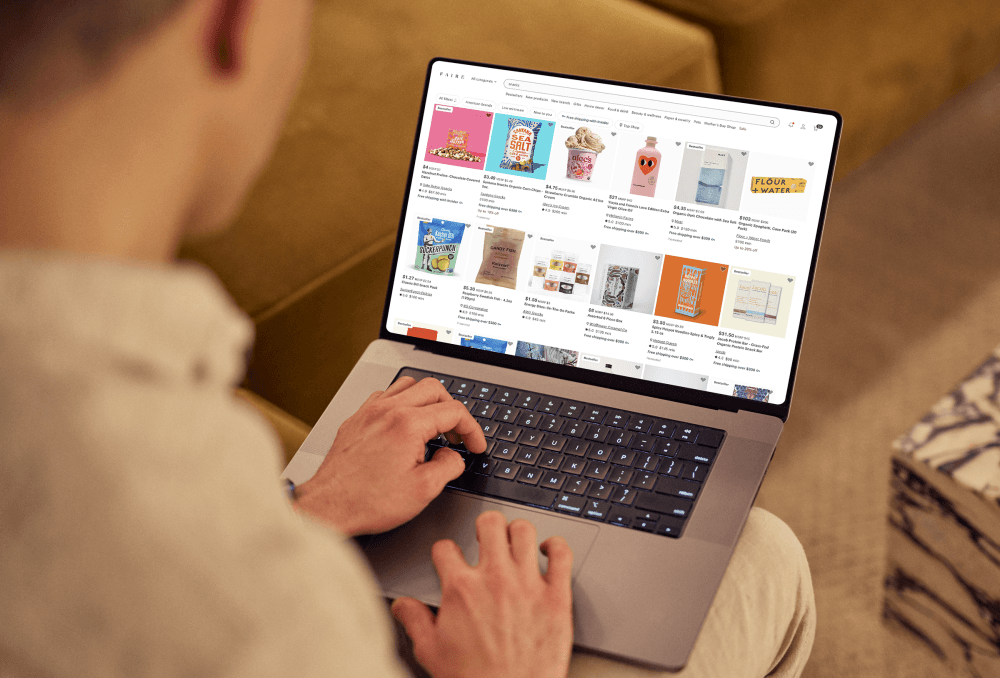
Faire is growing beyond boutiques by allowing business buyers to use the platform for their own purposes, like stocking mini bars, for client gifts or for front desk amenities.
Source Lens
Industry Context
Useful background context, but lower-priority than direct platform, community, or operator intelligence.
Impact Level
medium
Use this briefing to decide whether your team needs an immediate workflow, policy, or reporting change.
Key Stat / Trigger
No single quantitative trigger surfaced in this report.
Focus on the operational implication, not just the headline.
Full Coverage
The Marketplace Boom // June 18, 2026 Faire opens its marketplace up to hotels, offices and non-retail customers By Melissa Daniels Faire Wholesale marketplace Faire is opening up to customers who want to buy products not for reselling, but to use with their own customers.
Jennifer Burke, chief revenue officer at Faire, said that about a year ago, the company realized that some marketplace buyers were sourcing items like mints, candles or snacks for their own business purposes, like stocking mini bars, for client gifts or front desk amenities.
After a successful pilot that attracted around 5,000 buyers, Faire in April officially launched an option for buyers to select whether they’re making purchases for resale or business use.
“We think our current value propositions resonate really deeply with this customer segment — unique products that you can’t really discover elsewhere, the ability to consolidate your ordering all in one place,” Burke said.
The expansion points to the growing potential brands have to show up in non-traditional retail settings as a way to drive sales or even awareness. Le Labo, for instance, recently paired up with Equinox to put products like shampoo and lotion in its locker rooms.
This week, Smartwater announced a placement in Pvolve’s 40 fitness studios, and better-for-you snack brand MadeGood is available on Delta flights as a complimentary snack as of this spring. But it also points to how Faire is starting to blur the line between wholesale marketplace and procurement network.
The company counts over 100,000 brands that sell on its marketplace and has developed a reputation as a place for independent boutiques and retailers to find diverse, up-and-coming brands. From the perspective of business-use buyers, that means they can find products that may not sell on larger mass marketplaces like Amazon.
Faire’s Burke said the new option is especially popular for companies that want to make their offices feel more premium, like by offering packaged candies or pens at front desks. Many are using it to highlight local products, she said, as the marketplace can be filtered by where items are made.
One buyer so far is the JW Marriott in San Francisco, which has curated locally sourced products for guests to choose from as part of a gift offering. “That’s not something you can easily find in other channels today,” Burke said. For Faire, the expansion is part of an overarching goal to grow its total addressable market, Burke said.
Behind the scenes, it took about four months for Faire to set up new tax and documentation workflows because business-use and resale purchases are treated differently. The team also worked to get the word out with paid ads and organic outreach.
“We had to change our whole marketing strategy, positioning the types of buyers that we target in our paid advertising to make sure that we were actually activating this base and a broader base than what was currently coming through the funnel today,” she said.
Burke said the hope is that non-retail buyers will fuel brand growth, as they’re able to tap new demand. The biggest piece of constructive feedback Faire has received so far from brands is that they’d like to be able to price differently for different types of buyers — Burke said that is something Faire may introduce down the line.
For now, brands can choose whether to even let business-use buyers browse their products. Then, after opting in, they will have visibility into the specifics of each order to decide if they want to accept it. “If you’re a brand trying to grow, you might need to be on more than just your direct-to-consumer site these days,” Burke said.
“For the majority of vendors, particularly small vendors, this is a completely new set of business for them, and we’re bringing them more sales and more demand, and broadening the horizons of what they thought their business could do and operate.”
Meg Mallozzi, sales and growth manager at Simply Gum, said the company has exclusively used Faire to supply its wholesale business for about the last two years. Upon introducing business use, it reached out to buyers at hotels, spas and law offices that it had previously worked with.
“They weren’t able to purchase through Faire if they didn’t have a traditional resale or sales tax ID,” she said. “So with the introduction of this new program, it’s opening back up all these opportunities for Simply to be used for anything from client gifting to mini bars, guest amenities, front desks and general hospitality moments.”
She said the Brooklyn-made brand, known for its better-for-you ingredients and sleek white packaging, wants to show up in places that feel elevated and premium. Top business-use sellers so far are individually packaged mints, Mallozzi said, as well as new sour
Original Source
This briefing is based on reporting from Modern Retail. Use the original post for full primary-source context.
Style
Audience