

InPost reaches 15,000 UK lockers
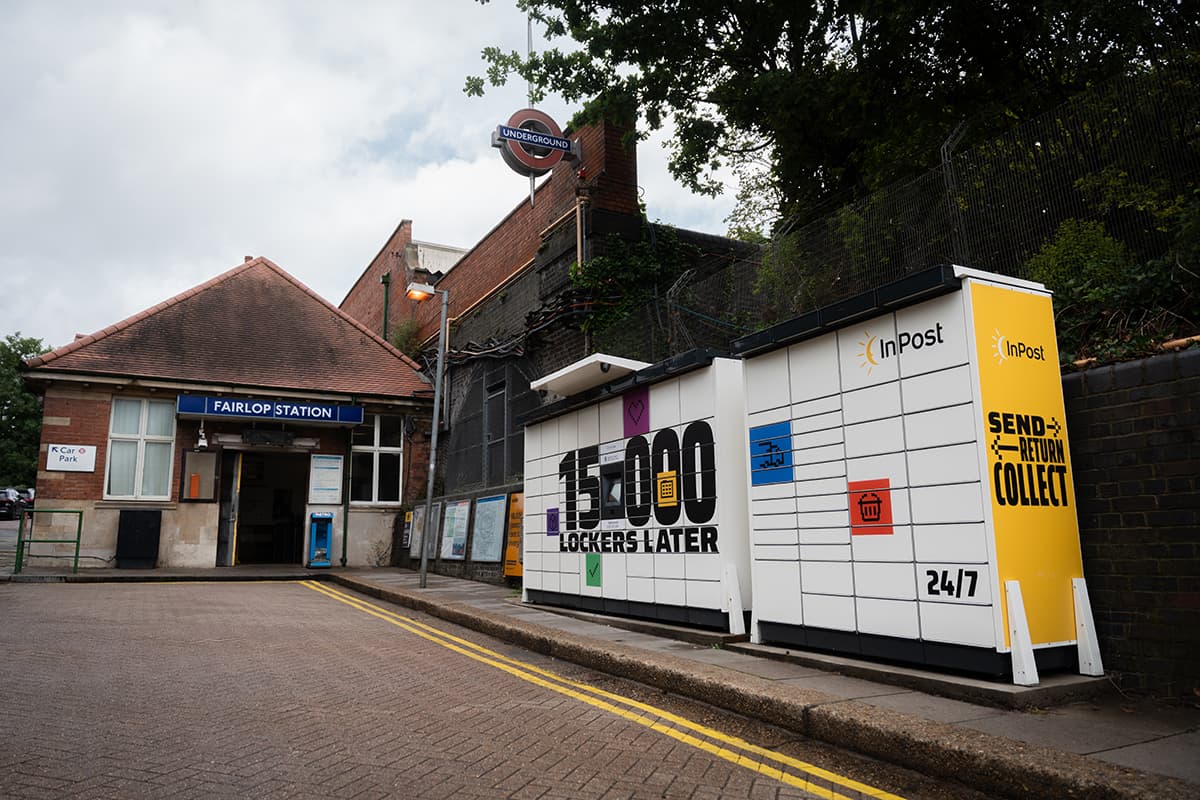
InPost have reached 15,000 UK lockers nationwide, marking a major milestone in the growth of its network and they say reflecting a fundamental shift in how consumers expect delivery to work. This is of course what you’d expect InPost to say, and having acquired Yodel we’re hearing that they’re going to their large retail clients […]
Source Lens
Industry Context
Useful background context, but lower-priority than direct platform, community, or operator intelligence.
Impact Level
medium
Use this briefing to decide whether your team needs an immediate workflow, policy, or reporting change.
Key Stat / Trigger
No single quantitative trigger surfaced in this report.
Focus on the operational implication, not just the headline.
Full Coverage
InPost have reached 15,000 UK lockers nationwide, marking a major milestone in the growth of its network and they say reflecting a fundamental shift in how consumers expect delivery to work.
This is of course what you’d expect InPost to say, and having acquired Yodel we’re hearing that they’re going to their large retail clients encouraging businesses to divert traffic to lockers at checkout.
While lockers may be convenient for consumers who aren’t at home when their purchase is delivered, it’s still a big ask to have a locker as the first delivery option for many.
Nothing is more convenient that having a parcel delivered to you at the doorstep, and my view is that lockers as an automatic default delivery option for a failed delivery would be preferable for most than as the default.
It all comes down to choice, for me the choice always has been and always will be home delivery, but for those that don’t have a safe place out of sight of the road, and for those who are away at work all day, lockers make sense.
But if you’re going to be home or have a safe place why would you want to jump in the car and drive to a locker (or sometimes multiple locker locations to collect from different carriers) to retrieve your parcels?
The expansion means millions of consumers across the UK now have access to 24/7 parcel collection and returns, with InPost’s UK lockers located in supermarkets, retail parks, transport hubs and residential areas. The growth comes as pressure continues to build on traditional home delivery models.
InPost reckon that one in three parcels fails on the first delivery attempt, while 40% of consumers miss at least one delivery every month. These aren’t operational failures but are the predictable result of a checkout model that optimises for cost rather than the consumer.
In most online purchases, shoppers have near total freedom over how they pay, but almost no say in how their goods are delivered. When deliveries fail, consumers blame the carrier for a choice they never made. Out-of-home delivery, such as InPost’s UK Lockers, removes those failure points. When consumers are given a real choice, the system works differently.
58% of consumers now say parcel lockers are a better option than home or workplace delivery, and two in five UK adults are already using them. This shift is also creating measurable value for retailers. 78% of consumers make a purchase when visiting a locker, spending an average of £22.
903, showing how out-of-home delivery is becoming a driver of footfall and additional revenue, not just a fulfilment option. Reaching 15,000 lockers is a significant milestone, but it also reflects a bigger shift in how delivery is expected to work.
For years, delivery has been designed around cost and convenience at checkout, not around what actually works for the people receiving parcels. That’s why failure rates are so high, because the system was never built around the end user. When consumers are given real choice, behaviour changes fast.
More control, more certainty, delivery that fits around how people actually live. That’s what out-of-home enables and why it’s no longer a niche preference. It’s becoming the expectation. – Paul Selvey, Network Director, InPost UK
Original Source
This briefing is based on reporting from Tamebay. Use the original post for full primary-source context.
Style
Audience