

Inside RadioShack’s audio-fueled B-to-B revival
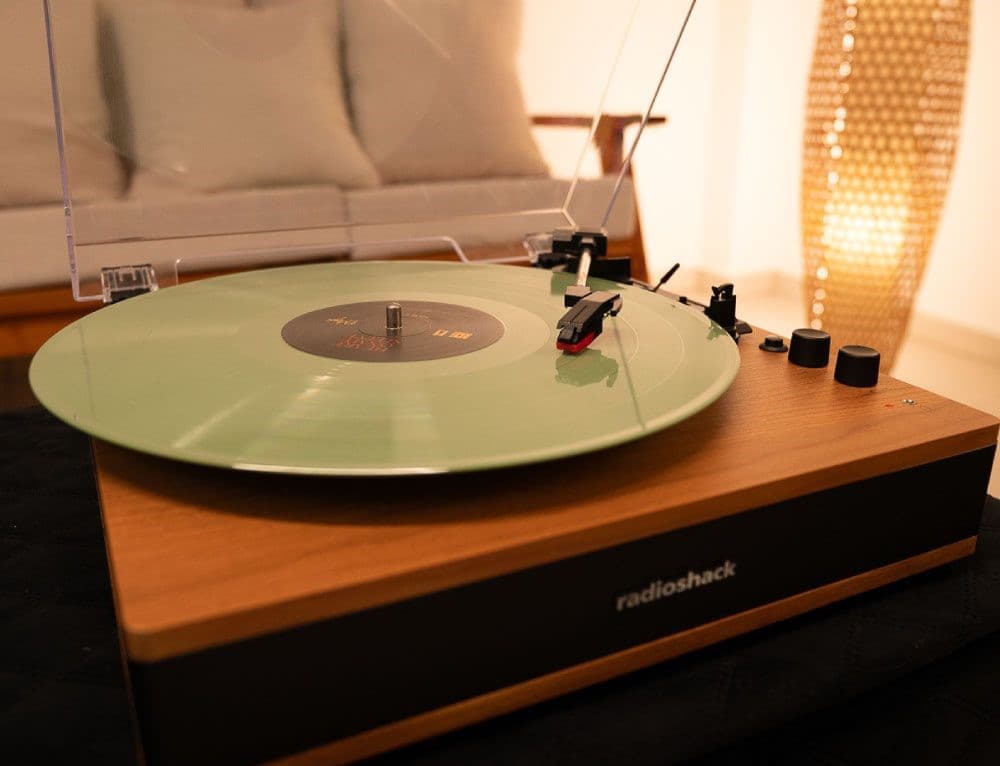
RadioShack relaunched in August 2024 as a wholesale electronics business, working with 170+ resellers across 40 states selling batteries, speakers, and vintage audio equipment. 60% of sales come from B2B operations, with remaining 40% split between direct-to-consumer and marketplaces.
This signals growing opportunity in vintage electronics and physical media accessories as vinyl sales hit 19th consecutive year of growth at 46.8 million units. Sellers should evaluate audio equipment categories where nostalgia branding commands premium pricing over generic alternatives.
Legacy brands are finding new life through targeted product categories and multi-channel distribution, showing that brand equity can be monetized even after bankruptcy when paired with trending consumer preferences.
Check Brand Analytics for 'turntable', 'vinyl player', and 'vintage radio' search volume trends - if increasing 20%+ YoY, consider product line expansion
Review audio accessories inventory mix to include retro-styled products that can command 30-50% higher margins than standard electronics
Bottom Line
RadioShack's vintage audio success signals premium opportunity in nostalgia electronics.
Source Lens
Industry Context
Useful background context, but lower-priority than direct platform, community, or operator intelligence.
Impact Level
medium
RadioShack's vintage audio success signals premium opportunity in nostalgia electronics.
Key Stat / Trigger
46.8 million vinyl units sold in 2025, up 8% YoY
Focus on the operational implication, not just the headline.
Full Coverage
New Wholesale Rules // May 7, 2026 Inside RadioShack’s audio-fueled B-to-B revival By Melissa Daniels Radio Shack RadioShack is back in business, bringing AM/FM radios and turntables to a new generation of customers.
Since mid-2024, RadioShack has been operating a wholesale consumer electronics business, along with a burgeoning direct-to-consumer e-commerce presence. Luis Diego Cuestas, head of commercial for RadioShack, said the bulk of its products are core essentials like batteries, power adapters, memory and portable speakers.
But about a third of its business so far has come from traditional physical media categories like turntables and radios. The units lean into vintage appeal, with neon colors, stainless accents or wooden cabinets. “Some of our most explosive sellers have been vintage items like turntables and radios,” he said.
“Products sell out immediately because of how people relate to how the item looks and what they expect from the brand.” RadioShack, a mall staple that once spanned 8,000 stores across the United States, closed down after Chapter 11 filings in 2015 and 2017 failed to revive the business.
It had been hampered by massive debts related to its footprint, plus revenue losses driven in part by the e-commerce boom. After its closure, the brand IP stayed afloat, first being acquired by Retail E-commerce Ventures, and then by Unicomer Group in 2023.
Unicomer had already owned the brand’s intellectual property in Latin America and Caribbean Countries and was a licensor of RadioShack Corporate. Since relaunching as a product brand in August 2024, RadioShack is working with more than 170 resellers in 40 states. Most are independent stores or regional chains that are authorized dealers.
As of this spring, about 60% of RadioShack product sales come from its business-to-business operations, while the rest is split between a direct-to-consumer site and marketplaces. Diego Cuestas said a multi-channel strategy was the approach from Day 1.
“We identified a direct-to-consumer element through our own website and marketplaces, but we also knew the brand had a lot of history with B-to-B and local smaller dealers,” he said. The re-emergence of RadioShack is another example of ways legacy brands are reviving themselves in new ways after hitting business troubles.
Party City, for instance, is now teaming up with Staples to open 700 shop-in-shops following its 2024 bankruptcy. Bed, Bath and Beyond, which had its own bankruptcy in 2023, is now planning a return to physical retail after acquiring The Container Store for $150 million.
Meanwhile, stalwart mall brands like Victoria’s Secret and Gap have sustained themselves by looking for ways to appeal to new generations of customers. For RadioShack, the resurgence of physical media like vinyl provided a lane to boost its new operations. A Consumer Reports survey from February 2025 found that about one in five U. S.
adults had played a vinyl record it the past year, and nearly half had played a CD. The Recording Industry Academy of America ‘s latest year-end revenue report found vinyl sales increased for the 19th year in a row, selling about 8% more units than in 2024, at 46. 8 million units. And while CD unit sales fell 11. 6% year-over-year to 29.
5 million units, physical media sales, including cassettes, rose 0. 5% in units and 16. 5% in dollars. Altogether, physical media sales in 2025 hit $1. 381 billion, a 5% increase over 2025.
While mass retailers like Target and Walmart have gotten into the vinyl space, Diego Cuestas said RadioShack saw a role to play in providing record players because of its familiar brand identity. “We identified early on that RadioShack would have a very important piece of the business with what we call our vintage and classic product line,” he said.
“A lot of people identify those products as a way to connect generations of consumers who remember the brand.” Beyond audio, the company is probing new potential growth areas. It has about 600 SKUs right now and aims to get to about 1,000, including by expanding into new areas.
Diego Cuestas said future areas of the business could include soldering, small electronic components meant for repair and restoration, and STEM-inspired toys and DIY kits to appeal to parents and families. “Those are greenfield opportunities for us,” he said.
RadioShack also aims to develop its footprint with more B-to-B advertising and a presence at trade shows like CES. He said the response from other vendors, brands and retailers includes people sharing their memories of RadioShack, whether buying their first cell phone, computer or printer.
That kind of customer connection is an asset, Diego Cuestas said, with both customers looking to buy electronics and those building out their stores. “RadioShack sits at a very favorable intersection of business and nostalgia,” he said. “Not
Original Source
This briefing is based on reporting from Modern Retail. Use the original post for full primary-source context.
Style
Audience