Cookware startup Caraway got sued by its competitors. It then used the lawsuit for marketing
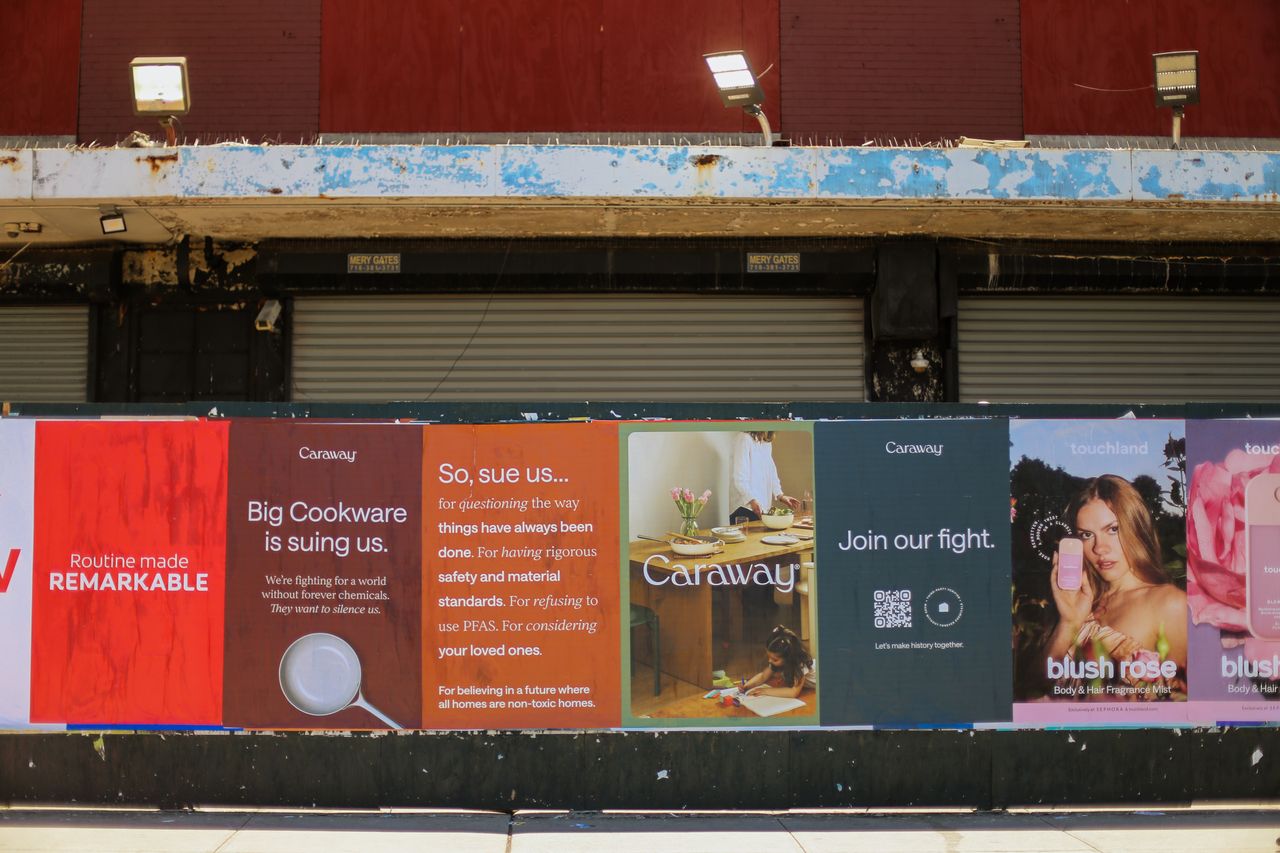
In February, two of the biggest players in the cookware space — Groupe SEB and Meyer — filed a lawsuit against Caraway, accusing the company of false and misleading advertising claims. Rather than shy away from the lawsuit, Caraway has spent 2026 publicly talking about it and using it as marketing fodder.
Source Lens
Industry Context
Useful background context, but lower-priority than direct platform, community, or operator intelligence.
Impact Level
medium
Use this briefing to decide whether your team needs an immediate workflow, policy, or reporting change.
Key Stat / Trigger
No single quantitative trigger surfaced in this report.
Focus on the operational implication, not just the headline.
Full Coverage
Supply Chain Shakeup // September 30, 2026 Cookware startup Caraway got sued by its competitors. It then used the lawsuit for marketing By Anna Hensel Caraway Jordan Nathan, founder and CEO of cookware startup Caraway, likes to set a goal for his team to rally around each year.
This year, the goal was to make Caraway “ impossible to ignore,” centered around some splashy marketing initiatives like the company’s first big out-of-home campaign. But that goal has played out in a way that Nathan initially didn’t anticipate at the start of the year.
In February, two of the biggest players in the cookware space — Groupe SEB and Meyer — filed a lawsuit against Caraway, accusing the company of false and misleading advertising claims. Both Groupe SEB and Meyer are conglomerates that own and operate multiple brands that home cooks would likely recognize in their kitchens.
Some of Groupe SEB’s most notable brands include T-fall and All-Clad. Meanwhile, Meyer’s brands include KitchenAid and Rachel Ray cookware. At the heart of the issue is how Caraway talks about PFAS in its marketing, a subject consumers and state regulators are taking a growing interest in.
As the EPA explains it, “PFAS are widely used, long-lasting chemicals, components of which break down very slowly over time.” It’s a catch-all term used to refer to a certain class of man-made chemicals used in a wide variety of industrial products, many of which have been around for decades and, because of how long-lasting they are, don’t break down easily.
As more research has been done on PFAS — and just how prevalent they now are in people’s bloodstreams and in the environment — consumers are more closely scrutinizing how exposure to PFAS could impact their health. Companies like Caraway see that as a business opportunity.
Nathan said he got the idea for Caraway after experiencing what he called “Teflon flu” — he accidentally left a non-stick cooking pan on the burner for too long and said he started to get sick. “A call to Poison Control brought shocking clarity,” Caraway’s website reads.
“He was experiencing Teflon flu, a reaction to the forever chemicals in non-stick cookware.” Caraway launched in 2019 with a ceramic cookware set, though it has since expanded into other product lines like food storage containers and bakeware. Last week, it launched a coffee maker that doesn’t rely on plastic.
On its website, Caraway explains that its cookware “features a non-toxic ceramic coating that is completely free of PTFE, PFOA, PFAS, lead, and cadmium.” To explain what makes its products different, Caraway has gone to great lengths to contrast its products with those currently on the market — and that’s what caught the attention of Groupe SEB and Meyer.
In their lawsuit, Groupe SEB and Meyer accused Caraway of a “long history of false and deceptive advertising” that has “caused immense and continuing harm to consumers, to plaintiffs, and to other cookware and bakeware companies on the market.”
Part of what Groupe SEB and Meyer take issue with is Caraway’s use of the term “toxic cookware” in much of its marketing — implying that other cookware on the market is bad for you. “This lawsuit is about one thing: truthful advertising,” Carmine Zarlenga, a lawyer representing Groupe SEB and Meyer, said in a statement to Modern Retail.
“Caraway launched an aggressive advertising campaign making unsubstantiated claims about an entire category of products that federal regulators, including the FDA and the Consumer Product Safety Commission, have consistently found to be safe.
When the National Advertising Division of the Better Business Bureau independently reviewed Caraway’s claims and recommended they be discontinued, Caraway agreed but failed to fully comply. Our lawsuit was filed only because Caraway refuses to play by the rules and insists on misleading consumers.”
Since the lawsuit was filed, Caraway has opted to make it the central focus of its marketing strategy this year, rather than staying quiet about the matter. On its homepage, Caraway now has a tab called “Join the Fight,” which shoppers can click on to read about the issue. It even includes links to the original lawsuit and Caraway’s motion to dismiss.
Shortly after the lawsuit was filed, Caraway released a petition for its customers to sign, urging people to “Tell Big Cookware: We Don’t Want Forever Chemicals in our Homes.” The company put up billboards near a Groupe SEB office in New Jersey that read, “Groupe SEB, go pick on someone your own size.”
On his LinkedIn, Nathan temporarily updated his title to read “sued by big cookware.” Lawyers didn’t ignore that. On July 27, Caraway got a cease and desist from Groupe SEB and Meyer, demanding that Caraway “immediately cease and desist from its unauthorized, infringing use of Meyer’s and SEB’s registered trademarks and brand logos in Caraway’s advertis
Original Source
This briefing is based on reporting from Modern Retail. Use the original post for full primary-source context.
Style
Audience