

Grain, efficiency propel BNSF first-quarter earnings
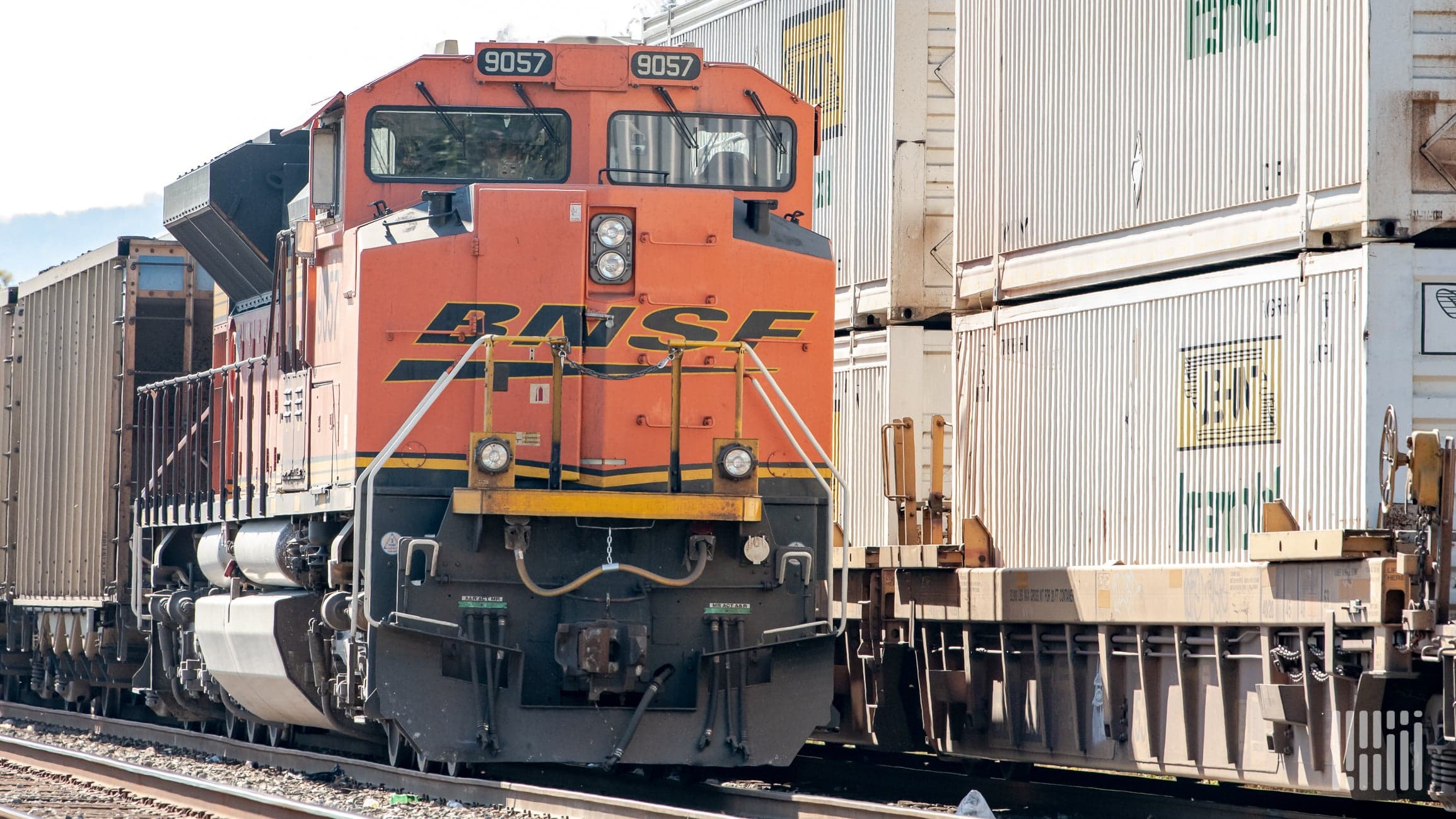
BNSF Railway reported 13.5% higher pre-tax income to $1.82B in Q1 2026, with consumer products volume (including intermodal) up 1.4% driven by international shipping growth. Industrial products declined 0.6% due to continued housing market weakness affecting building materials.
Rising intermodal capacity and efficiency improvements signal potential shipping cost stabilization for international inventory. Monitor your inbound freight costs closely as rail efficiency gains may not immediately translate to lower rates due to higher fuel and wage costs.
Improved rail operations could ease supply chain pressures, but sellers still face margin compression from persistent fuel and labor cost inflation across logistics networks.
Review your Q2 inbound shipping contracts -- rail efficiency gains may create negotiation leverage with freight forwarders handling international inventory.
Track housing market indicators if you sell building materials or home goods, as industrial rail volume reflects broader construction demand weakness.
Bottom Line
Rail efficiency gains may stabilize international shipping costs for inventory.
Source Lens
Industry Context
Useful background context, but lower-priority than direct platform, community, or operator intelligence.
Impact Level
low
Rail efficiency gains may stabilize international shipping costs for inventory.
Key Stat / Trigger
13.5% increase in BNSF pre-tax income to $1.82B
Focus on the operational implication, not just the headline.
Full Coverage
BNSF Railway reported stronger first-quarter profits as higher volume and more efficient operations improved the railroad’s bottom line. Pre-tax income rose 13. 5%, to $1. 82 billion, as revenue increased 5%, to $5. 92 billion, BNSF’s corporate parent, Berkshire Hathaway (NYSE: BRK-B), reported on Saturday morning. The railroad’s operating ratio improved 2.
3 points to 65. 6% as improved fuel efficiency and labor productivity more than offset higher fuel prices and wages. Overall volume increased 2. 2% thanks largely to growth in grain shipments. Consumer products volume including intermodal and automotive increased 1.
4% compared to a year ago, primarily due to growth in international intermodal traffic, Berkshire said. Agricultural and energy volume increased 11. 6% due to higher demand for grain, petroleum fuels, and oilseeds and meals. Industrial products volume declined 0.
6%, which Berkshire said was “due to lower shipments of plastics and building products, due to continued softness in the housing market.” Coal volume declined 2. 3%. “The volume decrease was primarily attributable to utility coal plant retirements, partially offset by increased demand from the impact of higher natural gas prices,” Berkshire said.
Subscribe to FreightWaves’ Rail e-newsletter and get the latest insights on rail freight right in your inbox.
Original Source
This briefing is based on reporting from Freightwaves. Use the original post for full primary-source context.
Style
Audience