

CSX sees volume uptick from spike in truck-to-rail conversions
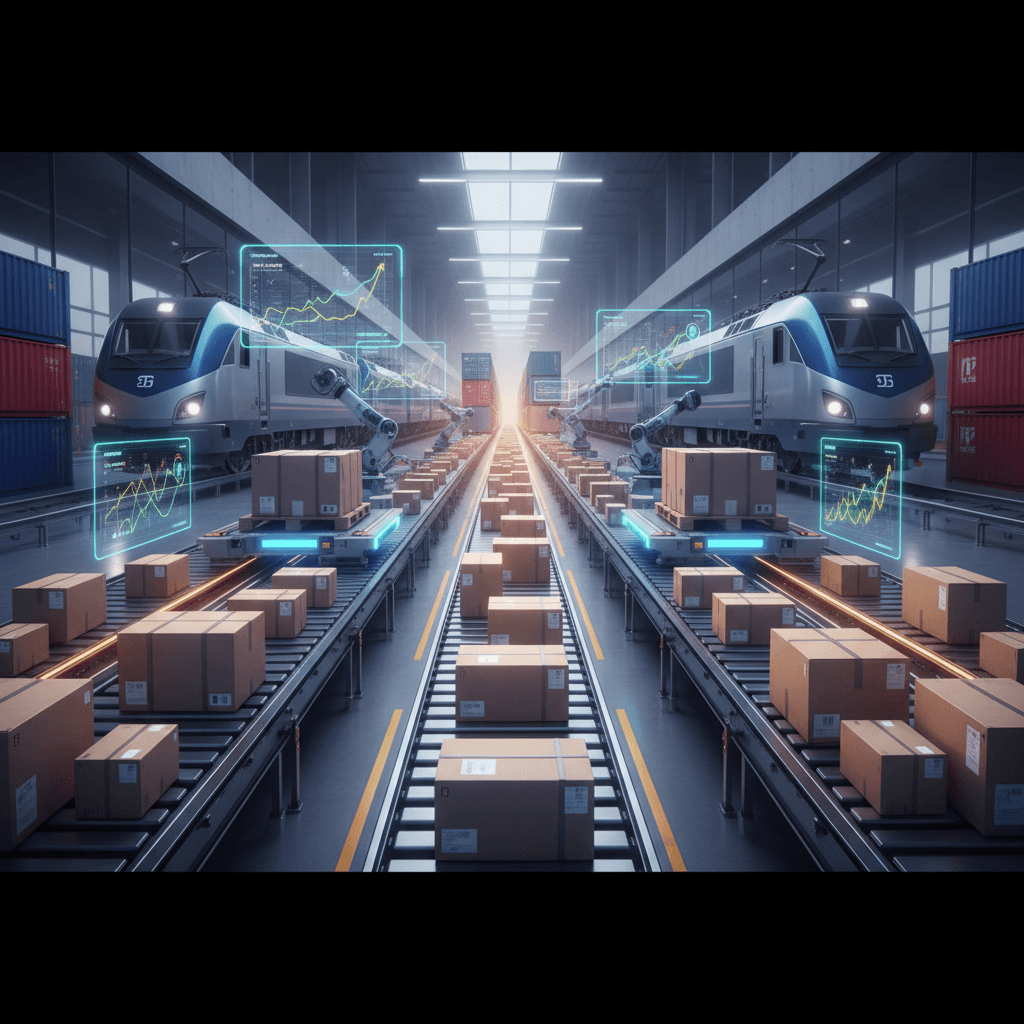
CSX, Union Pacific, and Norfolk Southern report increased truck-to-rail conversions as shippers seek cheaper alternatives due to higher fuel costs in 2026. Rail carriers see volume uptick from transportation mode switching.
Rising trucking costs could reduce last-mile delivery speed but lower shipping expenses for sellers using rail-accessible routes. Monitor your inbound shipping costs and delivery times for potential changes in fulfillment center routing.
Transportation cost inflation is forcing supply chain optimization, potentially benefiting sellers who can adapt their logistics mix while maintaining delivery standards.
Check shipping cost trends in Seller Central's shipping reports -- if trucking costs rise 10%+, explore rail-connected fulfillment centers for inbound inventory.
Review your logistics mix in the next 30 days to identify opportunities for rail shipping on non-urgent inventory replenishment.
Bottom Line
Truck-to-rail shift means lower shipping costs but slower delivery for sellers.
Source Lens
Industry Context
Useful background context, but lower-priority than direct platform, community, or operator intelligence.
Impact Level
medium
Truck-to-rail shift means lower shipping costs but slower delivery for sellers.
Key Stat / Trigger
No single quantitative trigger surfaced in this report.
Focus on the operational implication, not just the headline.
Full Coverage
Rivals Union Pacific and Norfolk Southern also pointed to signs of optimism as shippers look for cheaper alternatives to trucking due to higher fuel costs.
Original Source
This briefing is based on reporting from Supply Chain Dive. Use the original post for full primary-source context.
Style
Audience