

Postal Service can proceed with 8% parcel surcharge, regulator says
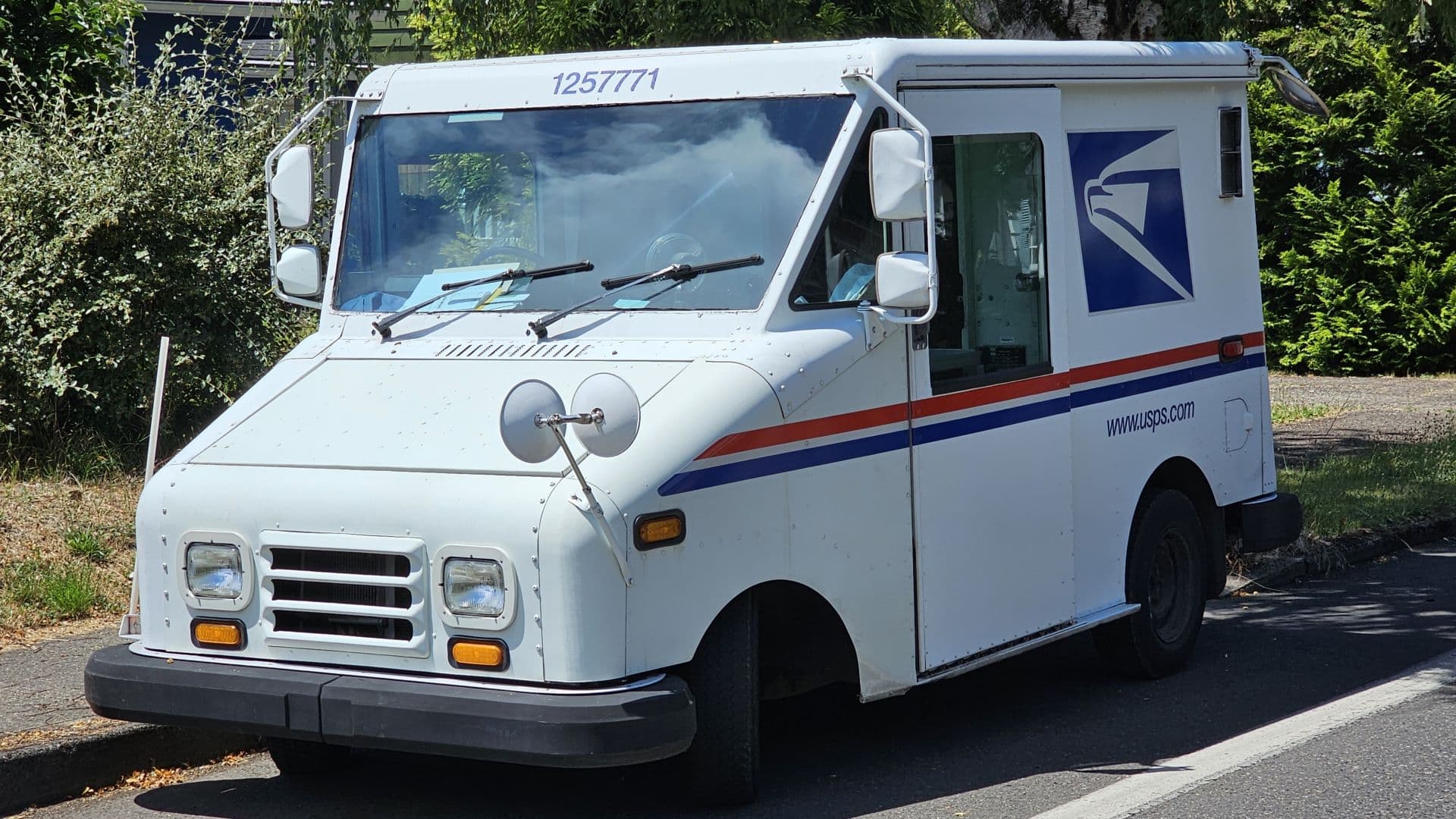
USPS approved 8% parcel surcharge effective April 26 through January 17, 2007 to offset rising fuel and transportation costs. Gasoline prices jumped 38% in five weeks due to Iran war starting February 28.
This hits sellers using USPS for fulfillment harder than FedEx/UPS users, since competitors already have 21-34% fuel surcharges built in. Review your shipping mix in Seller Central and consider switching high-volume routes to carriers with predictable surcharge structures.
This signals broader logistics inflation hitting all carriers, with USPS finally adopting competitor-style fuel surcharges that could become permanent pricing mechanisms.
Check shipping reports in Seller Central -- if USPS represents >30% of your parcel volume, calculate 8% cost increase impact on margins.
Audit your shipping templates and consider switching USPS routes to FedEx/UPS for cost predictability through January 2007.
Bottom Line
8% USPS surcharge means higher shipping costs for USPS-heavy sellers.
Source Lens
Industry Context
Useful background context, but lower-priority than direct platform, community, or operator intelligence.
Impact Level
medium
8% USPS surcharge means higher shipping costs for USPS-heavy sellers.
Key Stat / Trigger
8% parcel surcharge effective April 26 through January 17, 2007
Focus on the operational implication, not just the headline.
Full Coverage
The Postal Regulatory Commission on Monday approved the U. S. Postal Service’s request to add an 8% surge for transportation-related expenses on parcel products. The change will be effective April 26 through Jan. 17, 2007.
The Postal Service has previously raised prices to cover the costs associated with increased volumes during peak season, but last month requested permission for the first time to apply a time-limited price adjustment to deal with rapidly changing market conditions — most notably the spike in fuel costs since the start of the Iran war on Feb. 28.
The price of gasoline, which powers most of delivery vans, is up 38% over the past five weeks. The agency has said the surcharge is intended to help offset a variety of transportation costs besides fuel, including trucking rates, vehicle maintenance, and pass-through costs, such as insurance, from contract motor carriers.
The Postal Service also said that the temporary surcharge would help it transition to a permanent mechanism for imposing surcharges on competitive products to support its universal service obligation in a more financially sustainable way. Last fiscal year, the USPS lost $9 billion, with an operating loss of about $2. 7 billion.
Big commercial parcel carriers have standard fuel surcharge mechanisms that automatically update each week as the price of fuel changes. Instead of constantly adjusting base transportation rates, the carriers use fuel surcharges as a flexible pricing mechanism tied to external fuel indexes.
Their fuel surcharges currently range from about 21% to 34% of the base transportation rate, depending on mode and import/export status. The Postal Service says its fee is less than one-third of what its competitors charge for fuel alone. Click here for more FreightWaves/American Shipper stories by Eric Kulisch.
Write to Eric Kulisch at ekulisch@freightwaves. com. RELATED STORIES: How DHL tackled mail and parcel boom during peak Easter season
Original Source
This briefing is based on reporting from Freightwaves. Use the original post for full primary-source context.
Style
Audience