Google Universal Cart turns search engine into a marketplace
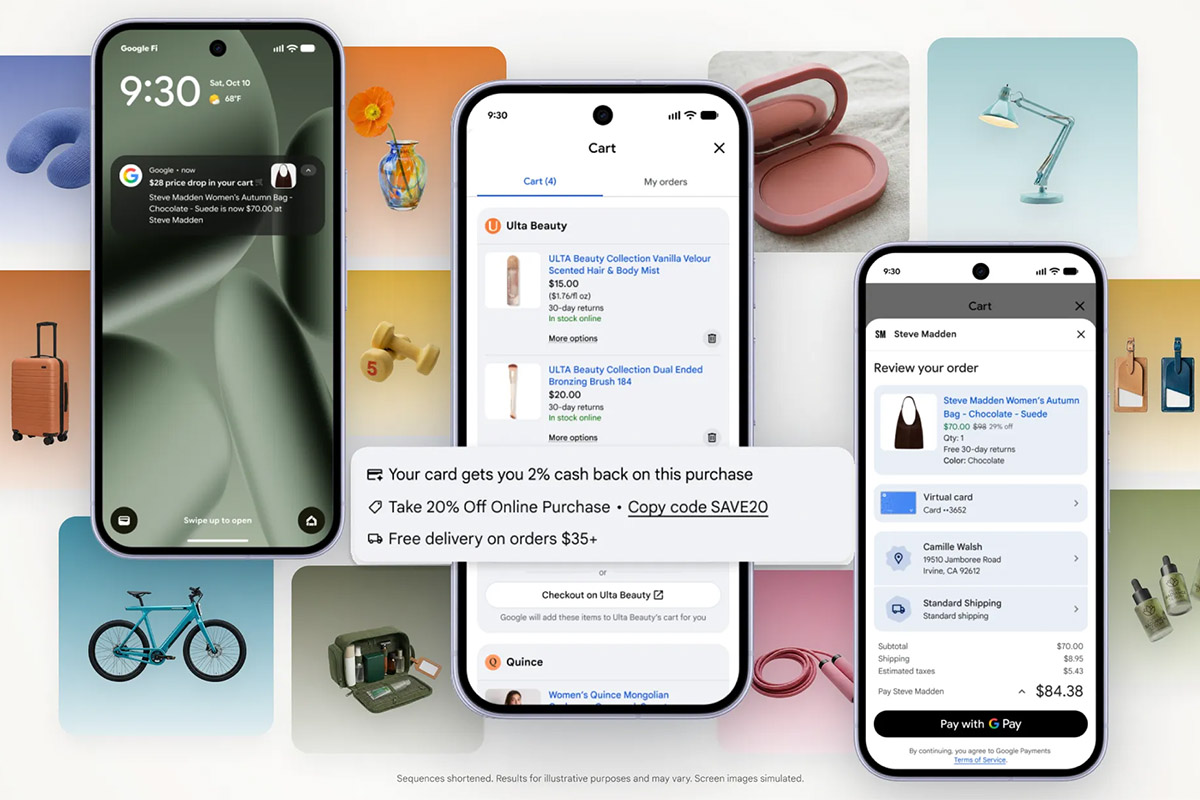
Google launched Universal Cart in the U.S. (October 2026), aggregating products from multiple retailers into one checkout powered by the Universal Commerce Protocol. Early integrated merchants include Walmart, Target, Nike, Sephora, Ulta, Wayfair, and Shopify sellers.
This accelerates AI-driven platform consolidation: Google joins Amazon and Walmart as a checkout destination, compressing brand control over the purchase moment and intensifying price transparency pressure across all SKUs simultaneously.
Google now sits between shoppers and merchants at checkout, controlling price visibility and promo exposure across all retailers simultaneously — brands not integrated into UCP risk losing clicks to integrated competitors in the same cart view. Sellers should audit their Google Shopping feed quality and promo feed integrations immediately, as Google Wallet's 'intelligent payment method' selection could deprioritize merchants with weaker conversion signals.
Operational Impact
This story may require teams to revisit workflows, monitoring, or platform assumptions.
Bottom Line
Google Universal Cart makes Google a de facto marketplace, threatening direct checkout relationships.
Source Lens
Industry Context
Useful background context, but lower-priority than direct platform, community, or operator intelligence.
Impact Level
high
Google Universal Cart makes Google a de facto marketplace, threatening direct checkout relationships.
Key Stat / Trigger
60+ billion continually refreshed product listings in Google's Shopping Graph
Focus on the operational implication, not just the headline.
Full Coverage
Google have launched Universal Cart in the U. S. including organising products from multiple stores into a single cart for checkout and payment. The Google Universal Cart is an intelligent shopping cart and a new hub for shopping on Google.
The cart puts you in control, helping to organise your shopping, keep track of items you love from across retailers, stay on top of promos, and enjoy effortless checkout powered by the Universal Commerce Protocol (UCP). Universal Cart is rolling out in the U. S. across Google Search and in the Gemini app.
Universal Cart offers a more organised alternative to tabs and screenshots. The cart saves your progress across Google so you never have to start your shopping from scratch. Whether you’re on desktop or mobile, search or Gemini, products you add will be there in your cart when you come back later so you can pick up right where you left off.
The cart is built on the 60+ billion continually refreshed product listings in Google’s Shopping Graph, allowing shoppers to keep tabs on pricing or inventory changes for their entire list. And, the Google Universal Cart is built on Google Wallet so it understands your card perks and can intelligently help you choose between payment methods.
It’ll also show you relevant promo codes right from the cart. You can securely check out with Google Pay in just a few taps with many of your favorite stores right in the cart, or you can transfer your items directly to the merchant’s cart to finish buying on their site.
Simplified checkout experiences are already available with merchants like Nike, Sephora, Target, Ulta Beauty, Walmart, Wayfair, and many Shopify merchants. You will still receive direct confirmations and customer support from the merchant, and they will remain the seller of record.
So it’s a bit like a marketplace, very much like a marketplace, one cart, and for some purchases a single checkout for products from multiple merchants. Google Universal Cart has launched in the US just in time for Black Friday/Cyber Monday shopping and it’s probably going to become a popular channel for shopping this Christmas.
With LLMs and AI shopping growing, this also positions Google and Gemini as a superbly simple way to combine shopping activities across search and AI.
Check Google Merchant Center > Promotions tab -- if no active promo feeds are live, you are invisible in the Universal Cart promo layer while competitors are not.
Within 30 days, confirm your Shopify or platform's Google Pay / UCP checkout integration is enabled to avoid cart abandonment when shoppers transfer items to merchant sites.
Original Source
This briefing is based on reporting from Tamebay. Use the original post for full primary-source context.
Style
Audience