Dual-Side Logistics: What Shippers & Brokers MISS About Freight
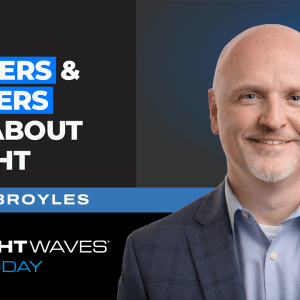
Tony Broyles from Overdrive Logistics shares his rare ‘dual perspective’ having worked on both the shipper and broker sides of the freight industry. He breaks down common misconceptions and reveals why understanding both ends of the supply chain is crucial for success and building lasting relationships. From managing budgets to carrier-friendly freight, discover the unspoken […] The post Dual-Side Logistics: What Shippers & Brokers MISS About Freight appeared first on FreightWaves.
Source Lens
Industry Context
Useful background context, but lower-priority than direct platform, community, or operator intelligence.
Impact Level
medium
Use this briefing to decide whether your team needs an immediate workflow, policy, or reporting change.
Key Stat / Trigger
No single quantitative trigger surfaced in this report.
Focus on the operational implication, not just the headline.
Full Coverage
#fwtv_6oVgra98BQM. fwtv-panel{border:1px solid #d0d0d0;padding:18px;border-radius:6px;line-height:1. 6}#fwtv_6oVgra98BQM. fwtv-panel p{margin:0 0 12px}#fwtv_6oVgra98BQM.
fwtv-note{font-style:italic;color:#666;margin-top:16px;padding-top:12px;border-top:1px solid #e0e0e0}Tony Broyles from Overdrive Logistics shares his rare ‘dual perspective’ having worked on both the shipper and broker sides of the freight industry.
He breaks down common misconceptions and reveals why understanding both ends of the supply chain is crucial for success and building lasting relationships. From managing budgets to carrier-friendly freight, discover the unspoken truths that drive the market.
Director of Business Development at Overdrive Logistics Tony Broyles says his brokerage began seeing early signs of a tightening freight market in November, months before most in the industry acknowledged the shift.
Broyles, who has worked on both the shipper and broker sides of the business, said rate pressure on specific lanes and a tighter truck supply in certain markets signaled what would become a sustained cycle change — not a seasonal blip. “We knew we were ripe for it,” he said. “Shippers have been reaping the benefit of artificially low rates for years.”
Broyles noted that confirmation came quickly. When rate pressure persisted through January and into February, he said the Chattanooga-based firm knew the correction was real.
He attributed part of the delayed recognition across the industry to a wave of logistics professionals who entered the field post-COVID and have no baseline for what a normal or tightening market looks like.
“The old 2023, 2024, or even 2025 playbook of just have a bunch of brokers and have them all bid against each other for the cheapest rate — that doesn’t work anymore.”
For shippers trying to secure capacity through the rest of this year and into 2027, Broyles said the priority should be locking down contract rates now on high-service, appointment-sensitive lanes while leaving genuinely flexible, low-frequency freight on the spot market.
He cautioned against forcing contract rates onto loads that move only once a month, saying that approach burns carrier and broker relationships without delivering real savings. Overdrive, which Broyles said has been in business 28 years, has built its model around long-term relationships.
The firm’s top 10 customers average roughly 19 years of tenure, with some having stayed for the full 28 years. That relationship depth, he argued, gave the brokerage pattern recognition that purely transactional shops lacked heading into the current cycle.
On freight security, Broyles said Overdrive implemented enhanced carrier vetting before the issue gained wide industry attention. The process now includes collecting photos of drivers’ licenses and images of drivers standing beside their cab door showing their MC number — captured in real time.
The firm also uses the carrier-vetting platform Highway and requires a follow-up phone call to a validated number to confirm booking authorization. “We have humans talking to humans,” Broyles said. “We’re not dispatching with AI.”
Broyles said the brokerage is also more selective about open load board postings, preferring to move consistent freight through established carrier relationships without posting publicly. When spot posting is necessary, additional verification steps are applied before a load is tendered.
He acknowledged that AI-generated identity fraud is a growing concern but said real-time, conversational vetting — including asking drivers to hold up a specific number of fingers on camera — helps catch anomalies that automated systems might miss.
Overdrive Logistics detected market tightening in November, with rate confirmation arriving by February, earlier than many industry peers recognized the shift. Broyles warns shippers against the multi-broker bid-down strategy for capacity-critical lanes, urging contract commitments now ahead of further tightening into 2027.
The firm uses real-time photo verification, the Highway vetting platform, and human-to-human phone confirmation to combat freight fraud and cargo theft risks on load board postings. This Summary is generated thanks to a transcription of the interview, for the full interview please enjoy the video above.
The post Dual-Side Logistics: What Shippers & Brokers MISS About Freight appeared first on FreightWaves.
Original Source
This briefing is based on reporting from Freightwaves. Use the original post for full primary-source context.
Style
Audience