Built to Last; Inside Amazon RelayCon 2026 and the Carriers Who Came With a Plan
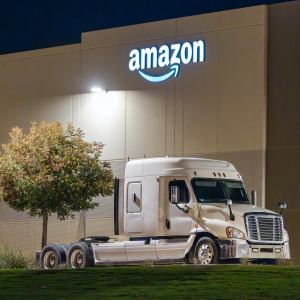
Amazon Relay expects 4 million holiday loads with weekly volume hitting 300,000 by December — 11% more freight than last year. Relay Assistant now resolves trailer availability, site closures, and trip issues in real time, cutting dispute resolution time by 20%.
Amazon is consolidating its carrier network around data-literate, tech-integrated small fleets — squeezing out underprepared operators and tightening the logistics layer that feeds FBA inbound supply chains during the highest-stakes selling window of the year.
More carrier capacity entering the Amazon network during peak means tighter competition for loads but potentially more consistent fulfillment for sellers shipping via 3PLs or freight partners using Relay. Sellers relying on small-fleet carriers should confirm their logistics partners are Relay-enrolled and Scorecard-compliant before November.
Operational Impact
This story may require teams to revisit workflows, monitoring, or platform assumptions.
Bottom Line
Amazon's 11% freight volume surge means carrier capacity competition peaks in December.
Source Lens
Industry Context
Useful background context, but lower-priority than direct platform, community, or operator intelligence.
Impact Level
medium
Amazon's 11% freight volume surge means carrier capacity competition peaks in December.
Key Stat / Trigger
4 million holiday loads with weekly volume reaching 300,000 by December, 11% more than last year
Focus on the operational implication, not just the headline.
Full Coverage
Last year’s RelayCon left the impression that small carriers had shown up to Las Vegas hungry, but this September something had shifted, because the carriers filling the hallways and breakout rooms weren’t just hungry anymore, they’d done their homework, they knew their numbers, and they came with a specific list of what they needed to walk away with.
That’s the story of RelayCon 2026. It wasn’t louder than last year. It was sharper. A bigger room, and a more serious one Start with the headcount, because the growth here is real. At RelayCon 2024, more than 500 Relay carriers gathered at the Horseshoe in Las Vegas. A year later, over 600 transportation professionals came for the 2025 edition.
This year, Amazon says more than 1,000 carriers came together in Las Vegas from Sept. 9-11, double last year’s attendance. Amazon also changed how the event was built.
Carriers had said open mixers made it hard to find peers running similar businesses, so 2026 introduced three breakout tracks built around build, scale and optimize, putting carriers in rooms with operators at the same stage. That track structure matters more than it sounds.
When a three-truck operator sits next to another three-truck operator instead of a 60-truck fleet, the conversation gets honest fast. The questions got better Here’s what stood out most. In 2025, a lot of the conversations started with some version of “should I grow?” This year, almost nobody asked that. They asked how, when, and what it would cost them.
Carriers came in knowing their cost per mile. They knew what their trucks were costing them sitting still. Some had already mapped out their next equipment purchase and wanted someone to poke holes in it. Several carriers on the floor had been in business for 25 years. Not 25 months.
A quarter century of running freight, through every cycle this industry has thrown at them. And what they kept coming back to wasn’t rates. It was time and flexibility. After decades of chasing loads and living on the road, they’d found a way to run a real business on their own terms.
When a veteran like that says the lifestyle side of the equation is what keeps them in, it’s worth listening to. Longevity isn’t just about margins. It’s about building something you can actually sustain. What Amazon put on the table The keynote block gave carriers the news they came for.
Thursday morning opened with keynote remarks from Amazon’s John Hartland, Director of North America Surface Transportation, and Maneesh Jyoti, followed by a talk from FreightWaves founder Craig Fuller on where the freight market is heading. The volume picture framed everything else.
Amazon expects to move more than 4 million loads through the holidays, with weekly volume reaching 300,000 by December, about 11% more freight than last year. On the technology side, Relay Assistant is expanding well past its original role as a chat tool for negotiating rates and pickup times on certain spot loads.
It can now resolve common over-the-road issues on the spot, including trailer availability, site closures and basic trip information, with the ability to reroute and release drivers rather than sending someone digging through FAQs or waiting on support.
By the end of this year, carriers will be able to ask it to repeat Post A Truck orders instead of relisting manually, and Amazon says more features are coming around load availability, schedule changes and route patterns.
When the assistant can’t solve something, it hands the carrier to a live operator with the full conversation attached, and Amazon says performance disputes are now being resolved 20% faster. The Scorecard is changing too.
Safety, compliance and required actions now sit on one page instead of being split across hauling performance alone, and new AI-generated focus areas point carriers to which sub-metric to work on first. For a small fleet without a back office, knowing what to fix before it costs you load access is the whole game. The cost side got attention as well.
Amazon expanded its Deals & Discounts program across the three expenses that hit carriers hardest. Enrollment barriers came off the Comdata fuel card program, where carriers are averaging about 10% savings, with added regional providers and discounts reaching up to 66 cents a gallon at Petro and 40 cents at Love’s.
Maintenance savings are targeted at 15%, with Red Classic added as a vendor. On equipment, a three-year Ryder leasing option with a 10% discount joined the existing 40% rental discount, plus a $10,000 discount on used trucks.
Safety rewards expanded as well, with free dash cams for eligible carriers and 2 to 5 cents extra per collision-free mile, up to $14,000 a year. There was news on the freight itself. Amazon Supply Chain Services opened the Relay network to shippers of all sizes and industries, meaning the loads on the board aren’t only Amazon’s own packages anymore.
Contract offers now run longer than the previous six-month maximum, and intermodal, reefer,
Check your 3PL or freight partner's Relay Scorecard status now — carriers with compliance gaps lose load access, which directly delays your inbound FBA shipments during peak.
Before November 1, confirm your peak-season freight capacity is locked with carriers who attended RelayCon or are actively optimizing on Relay — volume spikes 11% YoY and spot availability will tighten.
Original Source
This briefing is based on reporting from Freightwaves. Use the original post for full primary-source context.
Style
Audience