New data shows on-time container shipping suffers biggest drop in 5 years
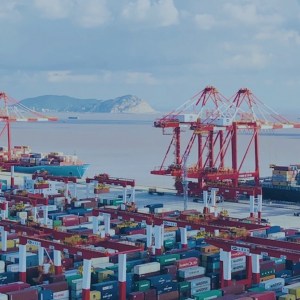
Global container shipping on-time performance dropped to 56.4% in July 2026 — a 6.1% single-month decline, the steepest since January 2021. Shanghai hit a 14-year low at 21% on-time, with cascading delays expected across trans-Pacific trade lanes in Q4.
This compounds existing margin pressure: sellers absorbing higher trans-Pacific spot rates now face longer cash cycles, increased storage costs, and potential Q4 stockouts — widening the advantage for brands with domestic inventory buffers or nearshore suppliers.
Sellers importing from Asia for Q4 should assume 6+ day delays on top of existing lead times — this isn't priced into most replenishment plans yet. Pull your inbound shipment ETAs now and add buffer stock orders or domestic 3PL reserves before October.
Operational Impact
This story may require teams to revisit workflows, monitoring, or platform assumptions.
Bottom Line
Asia port chaos threatens Q4 stock availability for import-dependent sellers.
Source Lens
Industry Context
Useful background context, but lower-priority than direct platform, community, or operator intelligence.
Impact Level
high
Asia port chaos threatens Q4 stock availability for import-dependent sellers.
Key Stat / Trigger
Shanghai on-time vessel arrivals hit 21% in July 2026 — a 14-year record low
Focus on the operational implication, not just the headline.
Full Coverage
Severe weather disturbances in Asia hit global container shipping’s on-time performance in July. Global container vessel schedule reliability dropped to 56. 4% in July 2026, a decline of 6. 1% from June, according to a new report from Sea Intelligence. It’s the sharpest single‑month decline since January 2021, the Copenhagen-based analyst said.
At the same time, the average delay for late vessel arrivals climbed to 6. 06 days, up more than a half-day m/m. This pronounced drop was driven primarily by congestion across major Asian ports, said Alan Murphy, CEO of Sea-Intelligence. “All 14 of the region’s busiest ports experienced a decrease in on‑time vessel arrivals.”
(Chart: Sea Intelligence) Yantian took the hardest hit with schedule reliability plummeting 23. 5 percentage points (pp) to 48. 3%. Hong Kong dropped by 20. 4 pp to 51. 6%, and Ningbo saw reliability fall by 20. 1 pp to 34. 6%. The report called the situation in Shanghai “particularly alarming.” Following a steep decline of 19.
2 pp, just 21% of container vessels arrived at the world’s busiest port on time in July 2026. “Outside of extreme pandemic‑era supply chain disruptions, schedule reliability in Shanghai has never dropped this low in 14 years of recorded data,” Murphy said. Less severe schedule unreliability in July spread to other Asia hubs.
Singapore posted on-time reliability of just 43. 2% after a 5. 7 pp drop from June. Port Klang, Malaysia, was weaker at 33. 3%, and Busan, South Korea fell to 40. 9%.
The report observed that with the region’s busiest ports operating with more than half of their incoming vessels delayed, the backlog will cascade through the maritime network, likely triggering a new wave of delays for critical headhaul trade lanes in the coming months. Read more articles by Stuart Chirls here.
Read more: Port inspection leads to $10M counterfeit Nike, Adidas seizure in California Northeast port breaks ground on $3. 2 million in new upgrades Trans-Pacific spot rates reach new highs on resilient demand, port congestion Out of its depth: Why 52 feet could equal millions of dollars for this U. S. port $5.
3 million a new record for Panama Canal transit The post New data shows on-time container shipping suffers biggest drop in 5 years appeared first on FreightWaves.
Check your FBA inbound shipment ETAs in Seller Central > Inventory > Shipments -- if any originate from Yantian, Ningbo, or Shanghai, add 7-10 days to expected arrival and flag for potential stockout risk.
Within 30 days, either place backup orders with domestic distributors or air-freight high-velocity SKUs to protect Q4 availability scores and Buy Box eligibility.
Original Source
This briefing is based on reporting from Freightwaves. Use the original post for full primary-source context.
Style
Audience