

Bookshop.org reinvented itself for post-pandemic survival. It worked
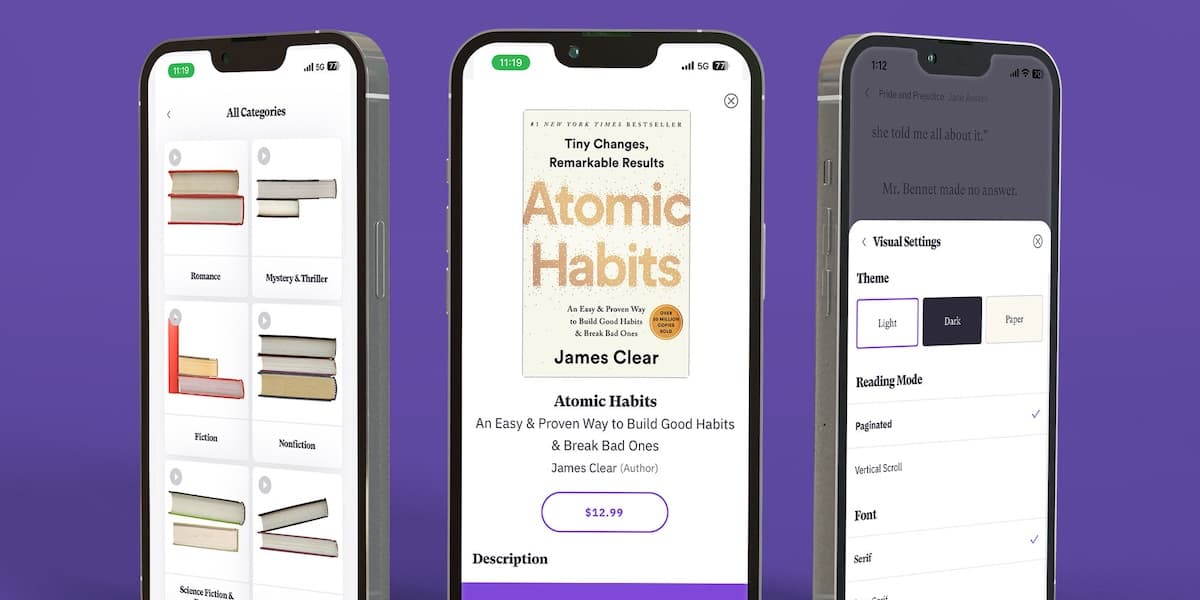
Two months after Bookshop.org launched, the pandemic hit, and bookstores couldn't serve their customers at all, so it was a massive tailwind for the company. But this was just the start of a long journey for the platform, which eventually had to find its footing again once the pandemic subsided.
Source Lens
Industry Context
Useful background context, but lower-priority than direct platform, community, or operator intelligence.
Impact Level
medium
Use this briefing to decide whether your team needs an immediate workflow, policy, or reporting change.
Key Stat / Trigger
No single quantitative trigger surfaced in this report.
Focus on the operational implication, not just the headline.
Full Coverage
The Marketplace Boom // July 22, 2026 Bookshop. org reinvented itself for post-pandemic survival. It worked By Mitchell Parton Bookshop. org When e-commerce website Bookshop. org launched in January 2020, its goal was to take share from Amazon and deliver some of its profits to local bookstores.
According to The Nation, the House Judiciary Committee found in 2020 that Amazon controlled more than 50% of the print book market and more than 80% of the e-book market. Many bookstores at the time had no e-commerce presence.
“I understood the importance of independent bookstores to the entire market, where I would liken them to coral reefs in the ocean,” said Bookshop. org founder and CEO Andy Hunter.
“They might not be more than 10-15% of book sales, but they’re where so many communities interact with authors, they’re working with their local school systems, they’re working with their local businesses — they’ve got this huge, outsized impact that is way beyond the portion of sales they have.” Amazon doesn’t publicly share its book sales figures.
However, in 2024, Business Insider reported, based on leaked documents, that Amazon made $16. 9 billion in gross merchandise sales from the books category in the first 10 months of 2022. That included e-books and audiobooks. Hunter and his team raised only $750,000 of their $1.
2 million goal at launch, providing only enough runway to survive about eight months. But Hunter saw it as important to take the risk, fight Amazon and get ahead of consumer habits. Two months after Bookshop. org launched, the pandemic hit, and bookstores couldn’t serve their customers at all, so it was a massive tailwind for the company.
But this was just the start of a long journey for the platform, which eventually had to find its footing again once the pandemic subsided. Bookshop. org isn’t a marketplace where bookstores sell their own inventory. Instead, it’s a B Corp that sells books from distributors and donates profits directly to bookstores.
As such, during the pandemic, it was giving bookstores a revenue stream when they weren’t otherwise selling anything. “Everybody benefits from competition,” Hunter said.
“[Books] are critical to free expression, the free exchange of ideas; you don’t want those all controlled by a single company whose politics can change, and who can emphasize or de-emphasize certain titles.”
Shoppers can designate a specific store to receive proceeds from their purchase, or they can allocate it to a pool that’s divided up among roughly 1,700 U. S. bookstores. “We were there for them, and we had an onboarding process that was super simple; it took them about a half hour to sign up and get fully online and start selling books,” Hunter said.
“We onboarded 1,200 stores in two months, and grew from zero to $60 million in revenue in the first eight months of our existence.” Post-pandemic blues Hunter said that while the company had another great year in 2021, after customers started frequenting bookstores again in 2022, the business shrank about 40%.
That was when Hunter and his team realized they had to rebuild the website and reconsider how it operates to get back to growth. They were successful; Bookshop. org exceeded its pandemic revenue in both 2024 and 2025, according to Hunter. In 2025, it grew sales about 55% from the year before, and Hunter expects sales to grow another 25% this year.
The key to that turnaround between 2022 and 2024 was reengineering the website. The website was built in 2020 with an e-commerce platform called Solidus that allowed the team to customize and build quickly, but it was not built for what Bookshop. org was trying to do, Hunter said.
“Once it was showing its wear and tear and showing its age, we realized that we needed to rebuild this thing,” he said. He hired several new members for the company’s product team and rebuilt the backend using Go programming language and the frontend using Next. js.
The company also rebuilt its search engine with Meilisearch, which improved search performance. “Metrics that affect consumer experience and things like organic search results, site speed and responsiveness, those all went way up,” Hunter said. “We started A/B testing regularly, every different element of the site, to increase the conversion rate.
We ripped out our old checkout and built an entirely new bespoke checkout that is, like, one page; it’s very fast. That increased our conversion rate significantly.
There was a combination of technical improvements, user experience improvements, SEO stuff, … And we were getting serious about email marketing and segmenting our audience better, and creating email flows for new customers, returning customers and inactive customers.”
Hunter said that all these improvements have made the shopping experience better and as frictionless a
Original Source
This briefing is based on reporting from Modern Retail. Use the original post for full primary-source context.
Style
Audience