

California’s new packaging laws are changing the economics of plastic
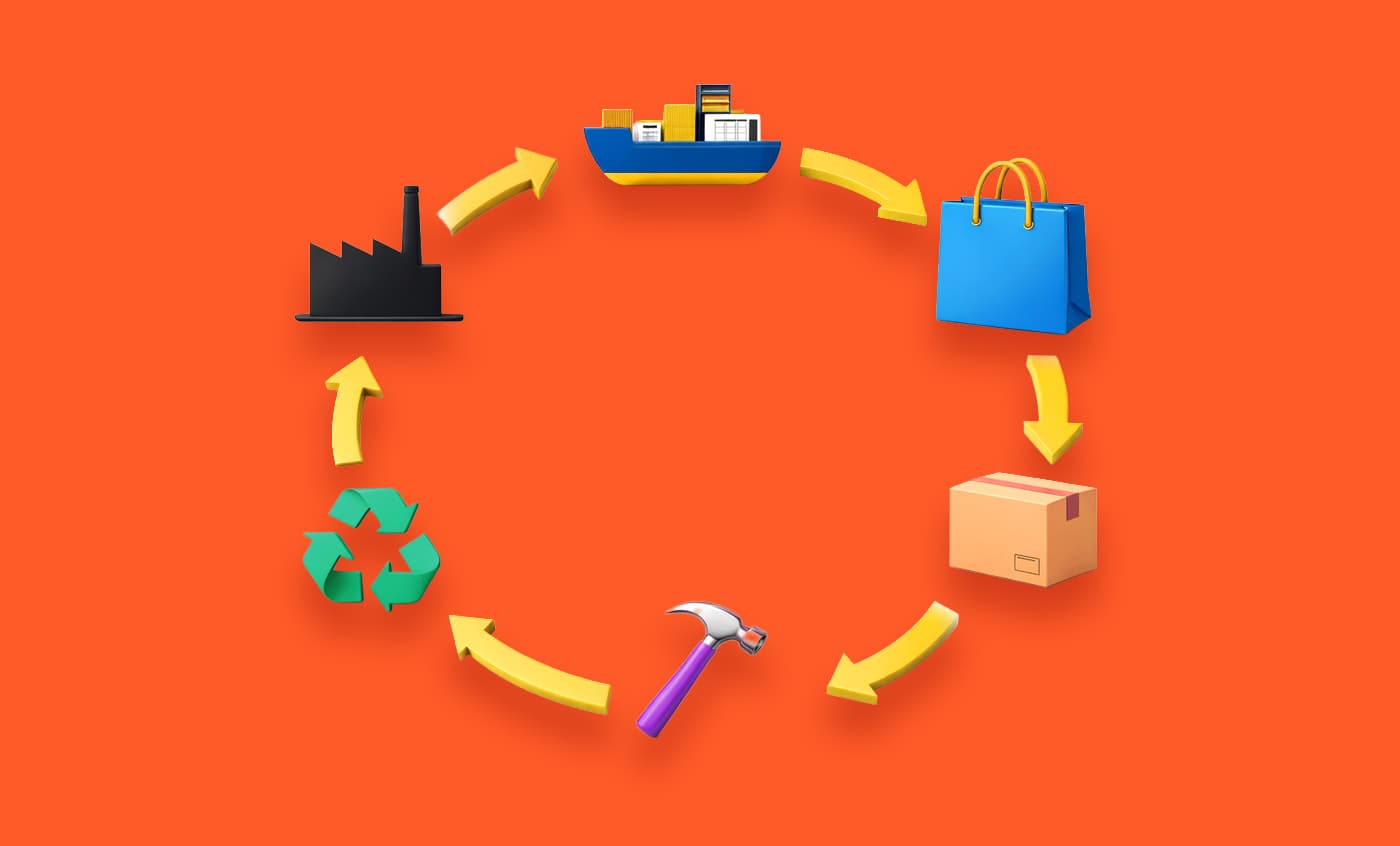
California's new packaging extended producer responsibility law means thousands of brands may wind up changing their packaging.
Source Lens
Industry Context
Useful background context, but lower-priority than direct platform, community, or operator intelligence.
Impact Level
medium
Use this briefing to decide whether your team needs an immediate workflow, policy, or reporting change.
Key Stat / Trigger
No single quantitative trigger surfaced in this report.
Focus on the operational implication, not just the headline.
Full Coverage
Supply Chain Shakeup // July 6, 2026 California’s new packaging laws are changing the economics of plastic By Melissa Daniels Below is the latest edition of Modern Retail’s Supply Chain Weekly newsletter, which goes out on Mondays at 10 a. m. ET, and dives into all things logistics and supply chain during a tumultuous time for the retail industry.
To receive this weekly in your inbox, click here. Brands that sell in California are still scrambling to understand the state’s sweeping new packaging laws that will charge them higher fees for plastic materials.
The Plastic Pollution Prevention and Packaging Producer Responsibility Act, or Senate Bill 54, is an extended producer responsibility law meant to cut down on single-use plastic and other materials.
It requires brands to pay material-specific fees for their packaging and foodware waste, with higher amounts for non-recyclable materials like single-use plastic. The law was signed in 2022, and the corresponding plans have been a long time coming.
But this summer saw progress when the Circular Action Alliance, the nonprofit contracted to implement the program, submitted its program plan in mid-June. Public comments will be accepted for consideration before August 14.
Sara Lowe, senior executive administrator at the packaging manufacturer Bay Cities Packaging and Design, said some companies are still getting up to speed on what the changes are and how to comply. While some EPR laws may be sector-specific, SB 54 applies to producers across all categories with a few exemptions.
“California is not a small market for anyone, so it’s very easy to be in scope under this law,” she said. “And that is a percentage of brands’ businesses that they can’t afford to walk away from.” The ambitious law is also subject to litigation.
In late June, 17 state attorneys general and the National Association of Wholesaler-Distributors filed a lawsuit alleging SB54 is an unconstitutional overreach from the state of California. Goals of the program include ensuring that 100% of packaging in California is recyclable or compostable by 2032 and that 25% of plastic packaging is source-reduced.
Lowe said Bay Cities has been working to prepare clients by showing them what potential fees they could face based on their current packaging. According to an illustrative fee schedule released in May, the fees are calculated with a cents-per-pound base fee, plus additional reuse fees, plastic-specific fees or component-based fees based on the material.
Lowe said her team is also showing brands what costs may look like based on the existing EPR packaging law in Oregon. Typically, packaging with plastic comes with higher fees than recyclable alternatives. “We’re really using this as an educational tool to show how plastic has traditionally been cheaper, but that math is going to start to change,” Lowe said.
But actually making a swap is easier said than done, and Lowe said some brands have traditionally been hesitant to be the “first mover” into a new, more sustainable realm. But SB 54 “puts the thumb on the scale” by forcing all brands to move in a new direction. “Brands are now looking around going, ‘Oh, we’re all going to move eventually,'” Lowe said.
“So now it’s an advantage to being the first and being the pioneer in that space.” As far as potential swaps, Lowe said most brands are interested in fiber-based options such as bamboo or cardboard. “The big push is still into fiber, anywhere people can get out of plastic and into a fiber,” she said.
Not every solution involves eliminating plastic altogether. “There’s a huge fee difference” between “a multi-material laminate that can’t be recycled anywhere versus a PET bottle that can be recycled basically anywhere,” Lowe said. “Sometimes it’s [switching from] plastic to a better form of plastic.”
The first invoices from California are expected to be sent to companies in early 2027. Lowe anticipates more companies will be taking careful stock of their materials at that time. “After they pay that first invoice, I expect this to accelerate again,” she said. The week in tariffs One area that’s seeing some relief from ongoing tariffs? The ag sector.
USA Today reports that President Donald Trump has exempted Moroccan fertilizer from tariffs at a time when the Iran war has disrupted supply chains for products like oil and fertilizer.
Trump’s proclamation from June 29 says that current levels of production of phosphate fertilizer here in the United States are insufficient to support domestic agricultural food production. While domestic efforts to spur more production are underway, the proclamation said, “Immediate action is necessary and appropriate to ensure in the
Original Source
This briefing is based on reporting from Modern Retail. Use the original post for full primary-source context.
Style
Audience