

Modern Retail+ Research: The marketers’ 2026 guide to creator marketing, with Duolingo, Ulta and YouTube
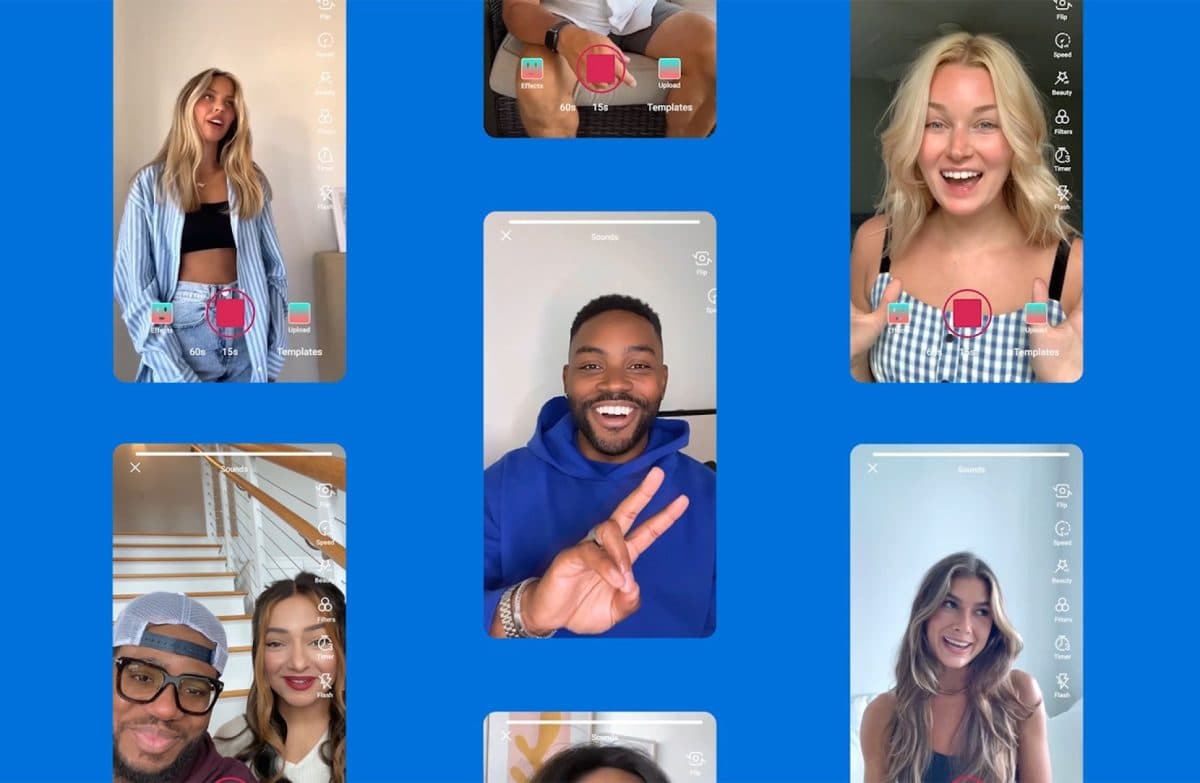
The latest installment of our CMO Strategies series, this Modern Retail+ Research report provides an analysis of creator marketing and its current role in marketers’ playbooks.
Source Lens
Industry Context
Useful background context, but lower-priority than direct platform, community, or operator intelligence.
Impact Level
medium
Use this briefing to decide whether your team needs an immediate workflow, policy, or reporting change.
Key Stat / Trigger
No single quantitative trigger surfaced in this report.
Focus on the operational implication, not just the headline.
Full Coverage
01 Introduction 02 Methodology 03 Social media dominates creator marketing as retail media gains ground 04 Marketers tap creators for campaigns beyond brand awareness 05 Brands experiment with creator programs and in-house influencers 06 Shifting algorithms affect what metrics matter Keeping the complexities of marketing channels in mind, Modern Retail+ Research has analyzed strategies and challenges across leading marketing channels — like retail media, CTV and social media — to identify key trends and best practices in our CMO Strategies series.
In this installment, Modern Retail+ Research focuses on an analysis of creator marketing and its role in marketers’ playbooks. 01 Introduction Creator marketing is booming, and it’s no longer confined to social media feeds. U. S. brands are expected to spend $13. 7 billion on influencer marketing by 2027, according to eMarketer.
While Instagram, TikTok and YouTube remain dominant social platforms for influencer partnerships, creators are increasingly being used across other media channels, including retail media, CTV and display ads.
Modern Retail+ Research’s report on creator marketing analyzes the types of campaigns marketers are partnering with influencers on, their top success metrics for those campaigns and the challenges they face with influencer campaigns.
02 Methodology To map out marketers’ current digital playbook, Modern Retail+ Research sent out three surveys asking 125 respondents about past and upcoming investments, marketing channel tactics and preferences and business challenges.
Modern Retail+ Research also conducted interviews with executives from the following companies: Duolingo Milani Cosmetics Ruggable Strava Tinuiti Ulta YouTube 03 Social media dominates creator marketing as retail media gains ground Social media remains the dominant media channel for brand-creator collaborations, according to Modern Retail’s survey.
Ninety-six percent of respondents said they are partnering with influencers to create content for social media. As brands continue to invest in creator partnerships on social media, platforms themselves are taking a more active role in facilitating those relationships.
In March 2026, YouTube released a Gemini-powered Creator Partnerships suite of tools designed to help brands more easily find the right creators to work with and to automate parts of the process like matching and campaign management.
“We have a deep roster of creators excited to work with brands, internal experts to help guide that process and a tech infrastructure to optimize and measure those collaborations,” Brian Albert, YouTube’s managing director of U. S. video deals and creative works, said in an email. TikTok is making similar moves.
At the IAB NewFronts in March 2026, the platform unveiled two ad products intended to connect brands and creators — Pulse Mentions, which places a brand’s ad near creator content where the brand is actively being discussed, and Pulse Tastemaker, which places a brand’s ad directly after videos from a group of select creators.
In May 2026, the company launched TikTok Go, a feature that lets users book travel and activities directly through the platform, turning influencer content into opportunities to create bookings and revenue for merchants. As creator marketing becomes more tightly integrated into commerce, retail media networks are emerging as another key partnership channel.
Seventeen percent of survey respondents said they are partnering with influencers to create content for retail media — making it the second most used media channel for creator-brand partnerships. The convergence of creator marketing and retail media is increasingly being formalized through data partnerships.
In January 2026, Omnicom Media announced a partnership with Meta that links Walmart Connect’s first-party purchase data with Instagram creator campaigns, allowing marketers to better connect influencer activity with sales outcomes.
The company struck a similar agreement with TikTok the previous year, underscoring growing demand from advertisers for more measurable creator marketing programs. 04 Marketers tap creators for campaigns beyond brand awareness As brands expand their creator marketing strategies, they are increasingly tapping influencers for more than just awareness campaigns.
Many are partnering with creators to help drive seasonal campaigns, support product launches and, in some cases, even help develop products — indicating the continued role creators play as trusted experts and advisors.
The majority of survey respondents (88%) said they work with influencers for seasonal campaigns, while more than three-quarters of respondents (78%) said they work with influencers for product launches. Retailers like Best Buy are putting these strategies into practice.
In September 2025, Best Buy partnered with sports and entertainment creator group Dude Perfect to give brands the opportunity to be showcased on D
Original Source
This briefing is based on reporting from Modern Retail. Use the original post for full primary-source context.
Style
Audience