

How new wellness brand Plainspeak is using mail-in samples to acquire customers
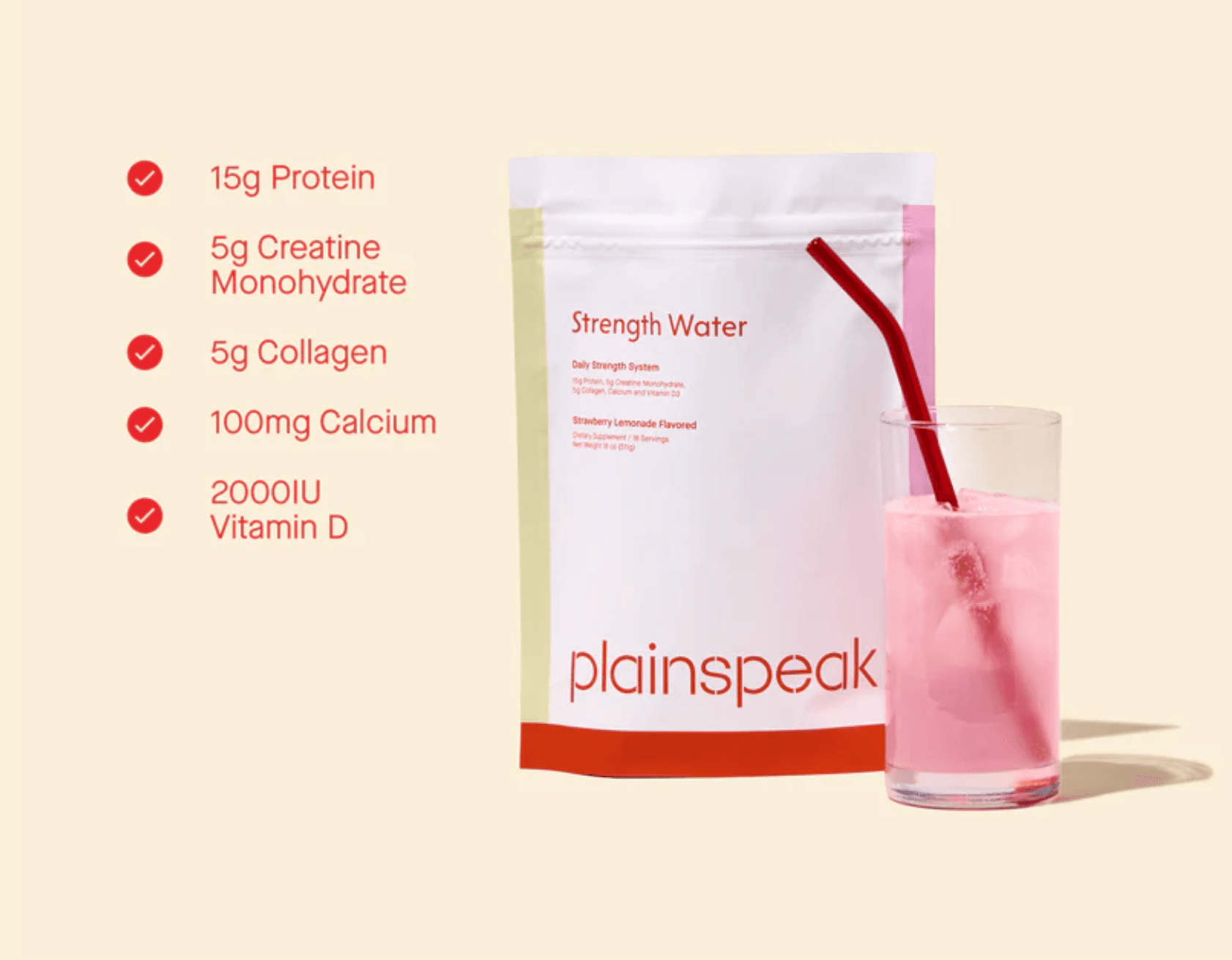
New women's wellness brand Plainspeak is using USPS mail-in samples to drive subscriptions for its women’s supplement, sidestepping paid ads. The founders are betting on the analog strategy to build a loyal customer base.
Source Lens
Industry Context
Useful background context, but lower-priority than direct platform, community, or operator intelligence.
Impact Level
medium
Use this briefing to decide whether your team needs an immediate workflow, policy, or reporting change.
Key Stat / Trigger
No single quantitative trigger surfaced in this report.
Focus on the operational implication, not just the headline.
Full Coverage
Digital Marketing Redux // July 30, 2026 How new wellness brand Plainspeak is using mail-in samples to acquire customers By Gabriela Barkho Plainspeak Plainspeak, a new women’s supplement brand that launched earlier this month, is betting on mail-order sampling to grow subscriptions.
The brand launched with a single product, Strength Water, an all-in-one women’s supplement that includes 15 grams of grass-fed protein and five grams of creatine, plus collagen, calcium and vitamin D.
Plainspeak co-founder Sara Brooks told Modern Retail that, having worked as a CPG strategy consultant for years, she knew that launching a wellness brand in today’s noisy climate would require more than just paid advertising.
“We thought, ‘If we can mail a sample sachet directly to people’s mailboxes, we can build an acquisition channel with a different approach than the typical CPG paid media model,’” she said.
The way it works is that anyone who direct-messages the brand with requested information, including their address, on Instagram can receive a free single-serve sachet of Plainspeak’s mix. The brand has the prompt in its social media bios and calls it out throughout posts and videos.
This strategy of leveraging basic USPS services and social media has quickly become one of the cornerstones of Plainspeak’s launch phase. Brooks said the sampling-based acquisition strategy relies on everyday women spreading the word about Plainspeak, rather than influencers.
She added that, as platforms like Instagram and TikTok have become littered with ads for GLP-1 medications and red-light therapy targeting women, the founders wanted to avoid getting sucked into the paid ads cycle early on.
Brooks said that Strength Water was developed based on existing clinical studies, with the name being a nod to simplifying health and wellness claims. Plainspeak was co-founded with Rachel Moore and developed with endocrinologist Dr. Gillian Goddard.
“Our idea was: If the product is as good as we believe it is, women will tell other women it works,” she said. The product promises to deliver all the macros in a lemonade-like format. “So instead of spending our money on paid media, on Meta or on influencer marketing, we’re putting our entire marketing budget into sampling.”
Prior to promoting the mail-in samples on the brand’s social pages, Brooks said the founders wanted to test the distribution strategy on about people in the 500 wellness industry, who were personal friends and colleagues of the founders.
“We had to see whether we could get a customer for a buck versus what the CAC is right now on paid media,” she said, referring to the $1 cost of mailing a single sachet. The team then began by placing the sachet samples in branded envelopes and mailing them through standard USPS mail.
Brooks said that while many of the samples arrived in three to four days, some have been untrackable. She added that, when mailing hundreds of envelopes at once, USPS requires an upgrade to ground shipping, costing $9 per shipment. As such, the company stuck with using traditional postage and dropping the mailers in public collection boxes.
Based on social media posts and customer feedback, Brooks estimates that about 80% of the initial batch arrived. “We’re making some slight modifications to make sure we don’t have tracking issues in the future,” she said.
In a DTC landscape that has become overly reliant on a digital marketing playbook, Brooks said the company is looking for other nostalgic approaches to strip back customer acquisition. “We’re also going analog in other ways, like starting a Facebook group, which feels so antiquated at this point,” she said.
The group acts as a crowdsourcing community where women can ask niche questions about health and wellness. Users can join through friend invites, with the admins approving each request. Brooks said the company is currently sending more than 100 samples a day to people who reach out with interest.
“It has been incredibly encouraging from a demand standpoint,” she said. “On conversion, we’re still in the early stages of measurement, but it’s been incredibly high and exceeded our expectations,” she said. Right now, the one-by-one sampling strategy is still scalable.
“It has allowed us to go back to every person and talk to them about the product as we build this brand in public,” she said The analog exercise has Brooks and her founders pondering whether it’s possible to build a $100 million brand without relying on traditional marketing levers.
“I could never say that this, 100%, is the best strategy in the long run,” she said. But early indicators show that when people get to easily try the product and love it, it leads to conversion to subscription for the full-size pack.
Brooks said the company deliberately started with an all-in-one hero product to solve the supplement fatigue that many women have com
Original Source
This briefing is based on reporting from Modern Retail. Use the original post for full primary-source context.
Style
Audience