Amazon data center communities: Here’s what’s happening near data centers across the US
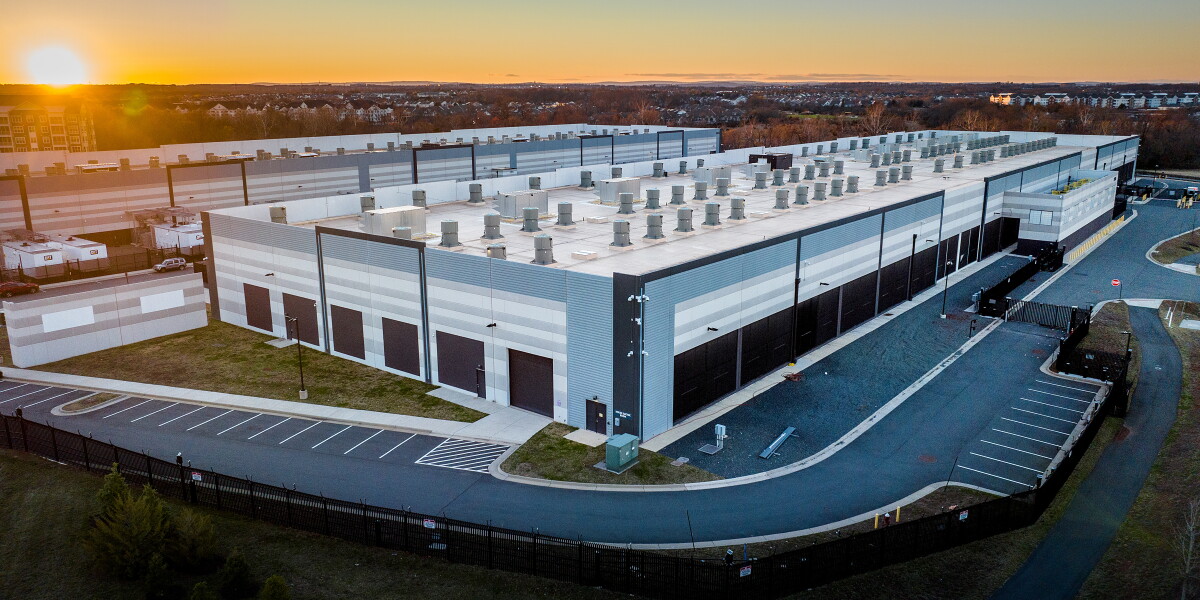
Amazon is detailing its water discharge permit process for its $11B Louisa County, Virginia data center campus, addressing community concerns about environmental impact on Lake Anna. No seller-facing policy, fee, or operational changes are involved.
Amazon's heavy AWS infrastructure investment signals long-term cloud capacity growth, but has no near-term effect on seller fees, logistics, or advertising tools.
AWS infrastructure expansion has zero direct impact on seller operations, fees, or marketplace dynamics today. This is corporate PR content — skip it.
This announcement comes as Amazon faces increasing scrutiny over its environmental impact and data center energy consumption globally. It aligns with broader corporate strategy to maintain regulatory approval for continued infrastructure expansion while competitors like Microsoft and Google face similar community resistance to their data center buildouts.
Operational Impact
AWS data center expansion directly impacts seller experience through improved platform performance, faster fulfillment capabilities, and lower latency for applications that depend on cloud infrastructure.
Bottom Line
Amazon data center PR means nothing for marketplace sellers.
Source Lens
Official Platform Update
Direct platform communication. Highest-value for policy, product, and operational changes.
Impact Level
medium
Amazon data center PR means nothing for marketplace sellers.
Key Stat / Trigger
$11 billion Amazon investment in Louisa County, Virginia announced in 2023
Focus on the operational implication, not just the headline.
Full Coverage
Recent Updates October 16, 2026 2:10 PM Share Powering meals through clean energy in Louisa County Each month, nearly 4,000 people in Louisa County, Virginia turn to the Louisa County Resource Council (LCRC) for help.
The Louisa County Resource Council has been a lifeline for its neighbors for more than 30 years, providing groceries, clothing, dental assistance, and transportation to medical appointments. Amazon's solar grant is helping reduce operating costs so more resources can go directly to the community. For some, that means groceries for their families.
For others, it is a visit to the Community Closet, a dental assistance voucher, or a ride to a medical appointment. For more than 30 years, LCRC has been a lifeline for its neighbors, and keeping that lifeline running takes a tremendous amount of energy.
The organization operates a 15,000-square-foot facility with more than a dozen freezer and refrigeration units, and as demand for its services grows, so do its maintenance costs. That is where clean energy comes in. Amazon recently awarded a grant to fully fund a rooftop solar project for LCRC, and the new system is now live.
It is expected to cut roughly $1,000 from the organization’s monthly utility bill. By LCRC’s own estimate, those savings could put nearly 48,000 meals on its clients’ tables each year. "Every dollar we save on operating costs is a dollar we can put back into serving our neighbors.
This rooftop solar project means we can keep our doors open, our freezers running, and food on the tables of the thousands of Louisa County families who count on us each month.
We’re grateful to Amazon for investing in the long-term sustainability of our mission, said Elizabeth Goodwin, Executive Director of the Louisa County Resource Council Amazon awarded a grant to fully fund a rooftop solar project for the Louisa County Resource Council, which serves nearly 4,000 people each month.
The savings are expected to put nearly 48,000 additional meals on clients’ tables each year. The LCRC project is one example of a broader contribution. A new independent study by Oxford Economics found that Amazon’s carbon-free energy investments contributed nearly $11 billion to the U. S. GDP and supported nearly 22,000 jobs annually from 2023 through 2025.
In Virginia, those projects added more than $331 million to the state’s economy. For years to come, these solar panels will power LCRC’s mission by turning sunlight into stability for the thousands of neighbors who depend on it.
No action required: this article contains no seller-relevant policy, fee, or operational changes.
No setup needed in the next 30 days — this is infrastructure PR with no marketplace impact.
Original Source
This briefing is based on reporting from About Amazon. Use the original post for full primary-source context.
Style
Audience