

Texas cargo theft: how $470k in vehicles almost escaped
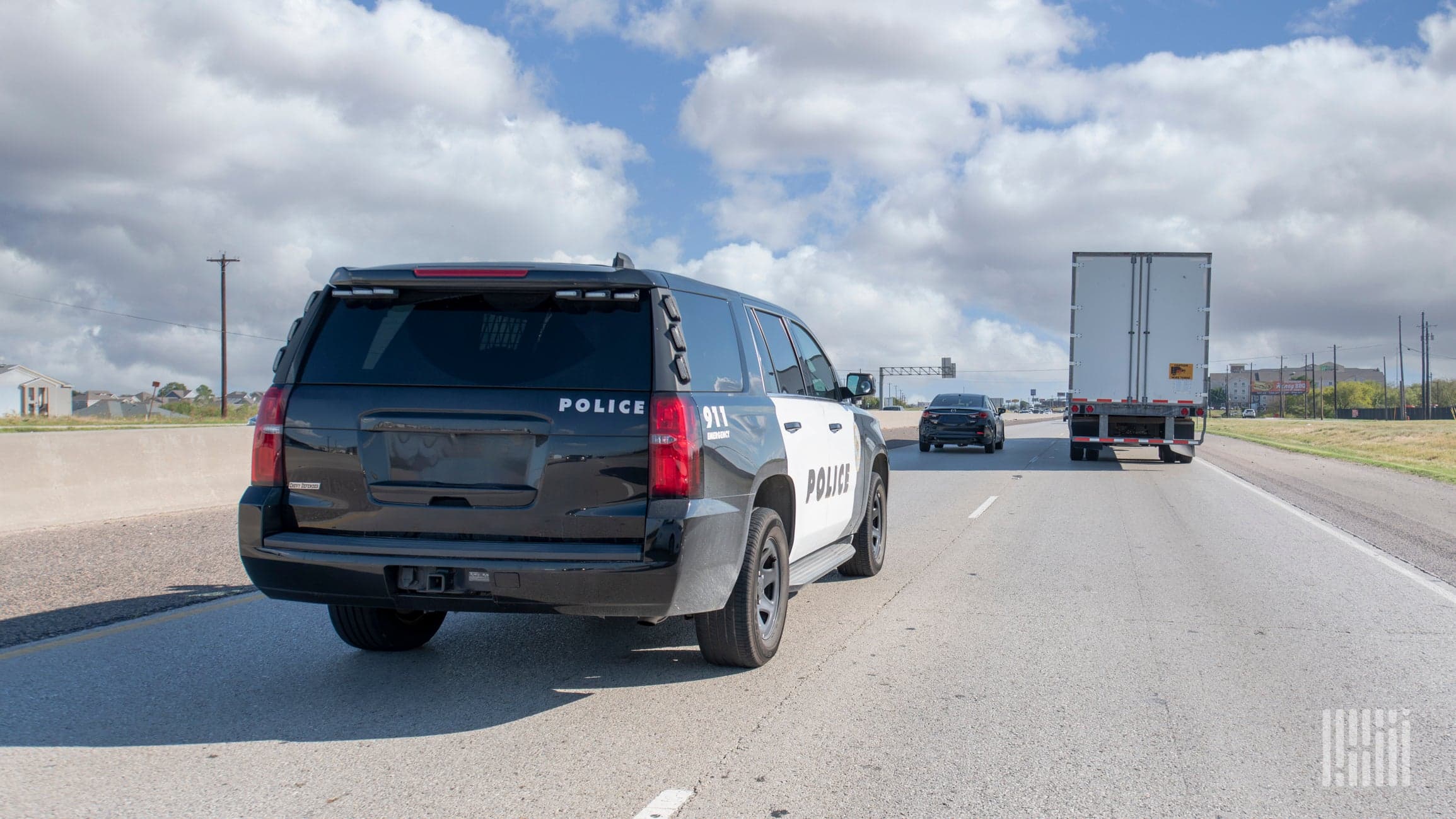
Two trucks carrying $470K in stolen vehicles were intercepted en route to Honduras, highlighting how cargo theft operations infiltrate legitimate freight channels undetected. The case exposes vulnerabilities in verification processes during handoffs before shipments begin moving.
Marketplace sellers using third-party logistics or freight forwarding should audit their carrier verification processes, as stolen inventory can enter legitimate shipping channels through documentation gaps. Focus on pre-shipment identity verification rather than post-theft recovery.
This reflects broader supply chain security concerns as ecommerce logistics become more complex, requiring sellers to take more responsibility for vetting their shipping partners rather than relying on platform protections.
Verify carrier identities and documentation before any handoff - require multiple forms of validation beyond surface-level paperwork to prevent infiltration.
Implement tracking checkpoints within 24 hours of shipment departure to catch diversions before they reach international borders.
Bottom Line
Cargo theft through legitimate channels means tighter carrier verification for sellers.
Source Lens
Industry Context
Useful background context, but lower-priority than direct platform, community, or operator intelligence.
Impact Level
medium
Cargo theft through legitimate channels means tighter carrier verification for sellers.
Key Stat / Trigger
$470K in stolen vehicles intercepted
Focus on the operational implication, not just the headline.
Full Coverage
Authorities in Texas recently intercepted two semi-trucks carrying approximately $470,000 worth of stolen vehicles, believed to be en route to Honduras. While details remain limited, the situation highlights a pattern that continues to surface across cargo theft and freight fraud cases. At a glance, this looks like a straightforward recovery.
Law enforcement stepped in, identified stolen freight, and stopped it before it left the country. That part of the story is clear. What is not clear is how these vehicles made it onto those trucks in the first place and how long they were moving before anyone realized something was wrong.
how control slips early Incidents like this rarely start with a dramatic theft. More often, they begin with small gaps that go unnoticed during what appears to be a routine transaction. A vehicle gets handed off under a legitimate-looking arrangement, the documentation checks out on the surface, and the carrier appears to be real.
Everything about the move feels normal, which is exactly why it works. This is where control starts to shift. By the time the freight is loaded and moving, the damage is often already done. If the wrong party gained access early in the process, everything that follows can look operationally sound while the shipment is quietly redirected.
In cross-border cases like this, timing becomes critical. Once freight is moving toward an international exit point, recovery odds begin to drop quickly. organized movement, not random theft The scale and direction of this case suggest coordination rather than a one-off event.
Moving multiple stolen vehicles across two separate trucks requires planning, access, and an understanding of how to move through standard freight channels without raising concern. These operations rely on speed and familiarity with normal workflows, allowing them to blend in rather than stand out. This is not about stealing a truck.
It is about using the system as it is designed and inserting themselves at the points where verification is weakest. The freight moves under the appearance of legitimacy, which makes detection difficult until it is already too late. The destination also adds another layer of complexity.
When freight is believed to be heading out of the country, the recovery window narrows significantly. Jurisdiction changes, coordination becomes more difficult, and once assets cross a border, they are far harder to trace and reclaim. what this exposes Cases like this reinforce a consistent issue across the industry.
Most theft does not happen at the point of pickup. It happens before that, when decisions are made based on information that has not been fully verified. By the time the load is in motion, the opportunity to prevent the loss has already passed. The focus cannot remain on reacting after the fact.
It has to shift toward controlling who has access to the shipment at every stage of the process. That means verifying identities, validating relationships, and confirming that the party handling the freight is exactly who they claim to be before control is ever handed over. Once those trucks start moving, you are no longer in control.
The post Texas cargo theft: how $470k in vehicles almost escaped appeared first on FreightWaves.
Original Source
This briefing is based on reporting from Freightwaves. Use the original post for full primary-source context.
Style
Audience