

Stolen freight recovered: $1m Lego heist stopped in tracks
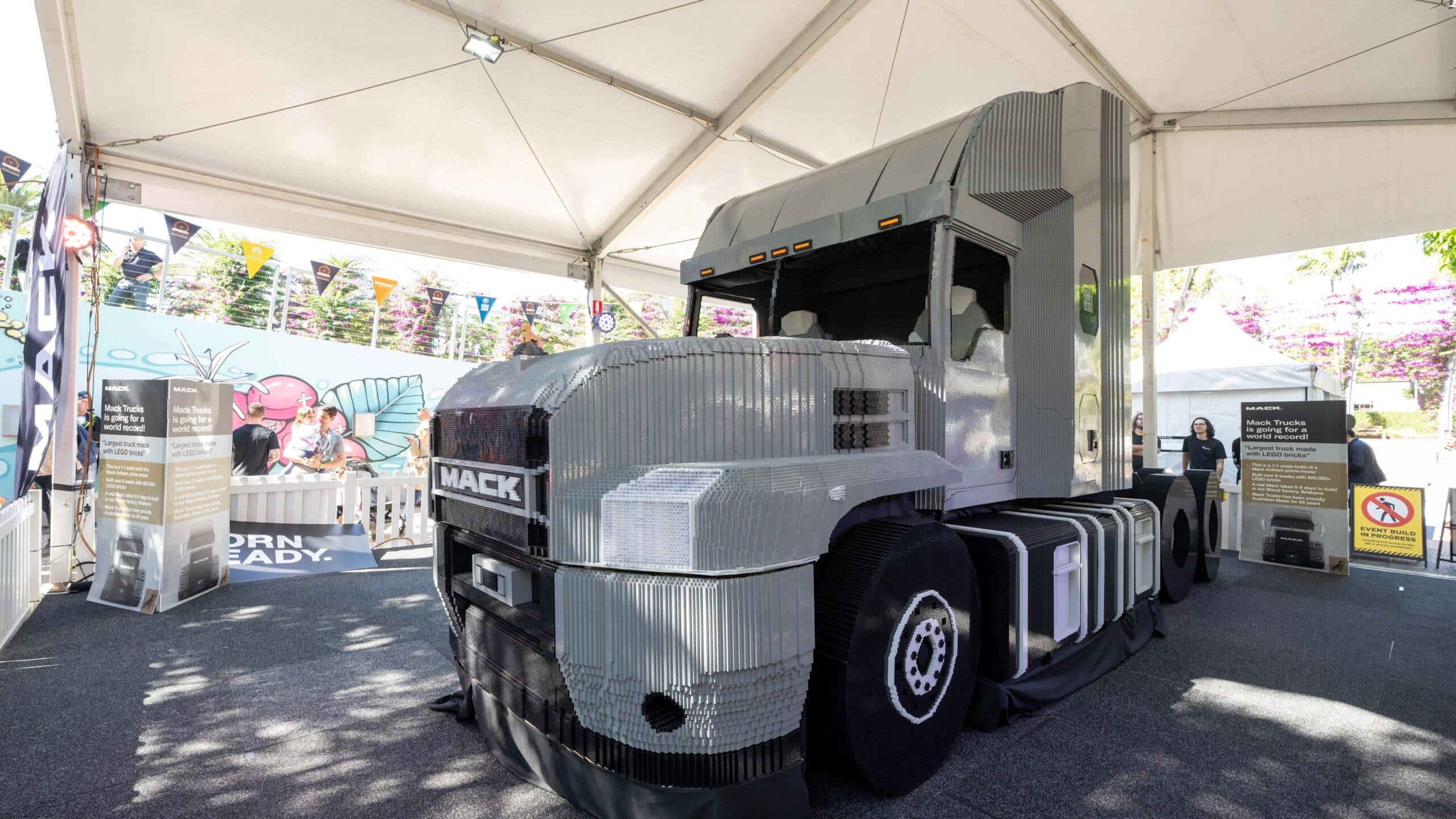
Deputies recovered $1M worth of stolen Lego freight in California after intercepting three suspects transferring products from hijacked trailers into box trucks. The cargo was stolen in transit from Fort Worth to Moreno Valley before being broken down for redistribution.
Freight theft during transit highlights vulnerability gaps between manufacturer and fulfillment centers that affect inventory planning. Sellers should verify carrier insurance coverage and implement tracking alerts for high-value shipments to catch diversions early.
Rising freight theft targets popular consumer goods, forcing sellers to factor security costs into logistics planning and carrier selection beyond just shipping rates.
Check carrier insurance policies -- ensure coverage matches your inventory value and includes theft during transit.
Set up GPS tracking alerts for shipments over $10K to catch route deviations within 24-48 hours before cargo is redistributed.
Bottom Line
$1M Lego theft shows supply chain vulnerability for high-value inventory.
Source Lens
Industry Context
Useful background context, but lower-priority than direct platform, community, or operator intelligence.
Impact Level
medium
$1M Lego theft shows supply chain vulnerability for high-value inventory.
Key Stat / Trigger
$1 million in stolen Lego freight recovered
Focus on the operational implication, not just the headline.
Full Coverage
Credit goes to the deputies at the Kern County Sheriff’s Office Mojave Substation for acting quickly and stopping what could have turned into a much larger loss. Their response made the difference and kept this from moving further. On April 8, 2026, deputies responded to a call about suspicious vehicles near the 400 block of Silver Queen Road.
When they arrived, two box trucks were seen leaving the area and were stopped shortly after. Deputies identified Jose Lopez, 37, of San Bernardino, Ruben Lopez Flores, 25, of Los Angeles, and Freddy Hernandez Polinar, 35, of Chino. During the stops, deputies searched the trucks and found a large amount of Lego products.
The volume raised concern, which led to a search of the surrounding area where two freight trailers were located nearby. Stolen freight found before it could move further Investigators confirmed the trailers had been reported stolen while in transit from Fort Worth, Texas, to Moreno Valley, California, with an estimated value of about $1 million.
Deputies were able to recover both the freight and the trailers before the load was broken down or moved further into distribution. All three individuals were taken into custody and charged with possession of a stolen vehicle, cargo theft, and conspiracy, pointing to coordination behind the movement of the freight.
What stands out is how the load was already being handled. The shipment was still moving through the supply chain, but it was no longer under the control of the intended parties. The freight had been transferred out of the original trailers and into separate vehicles, which shows clear intent to move it again.
Once that step happens, tracking becomes harder and the risk increases. Control shifted before anyone realized it This is the pattern the industry continues to deal with. Freight does not need to be taken by force to be lost. It can move through normal operations while control shifts in the background, and everything can still look right on the surface.
The timing in this case made the difference because deputies stepped in before the freight was split or pushed further. Once a load is broken down or spread across locations, recovery becomes much harder. The first 24 to 48 hours matter. After that, the chances of recovery drop quickly as freight moves and the trail gets harder to follow.
This recovery is a win, but it also shows how quickly things can change once control is lost. The load was already moving in the wrong direction before anyone stepped in, which is exactly where most of the risk sits today. Confidence comes from verification, not assumptions.
Original Source
This briefing is based on reporting from Freightwaves. Use the original post for full primary-source context.
Style
Audience