Trans-Pacific spot rates reach new highs on resilient demand, port congestion
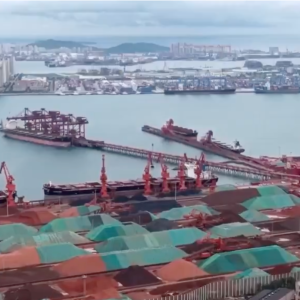
Asia-U.S. West Coast rates hit $7,621/FEU (+2%) and East Coast $9,791/FEU (+2%) as of Sept 2026, driven by typhoon-related port congestion at Shanghai/Ningbo and sustained peak-season demand. Golden Week blank sailings and potential Panama Canal low-water surcharges threaten further East Coast rate increases through late September.
Sustained freight inflation layered on top of existing tariff costs accelerates margin compression for importers — brands without pricing power or inventory buffers will be forced into reactive repricing or stockouts heading into Q4.
Sellers who front-loaded inventory to beat tariffs now face compressed margins on replenishment orders arriving at peak freight costs — the double hit of high COGS and high landed cost. Pull your replenishment velocity report now and delay any non-essential reorders until post-Golden Week capacity returns in mid-October.
Operational Impact
This story may require teams to revisit workflows, monitoring, or platform assumptions.
Bottom Line
$9,791/FEU East Coast rates mean margin erosion on every replenishment order now.
Source Lens
Industry Context
Useful background context, but lower-priority than direct platform, community, or operator intelligence.
Impact Level
high
$9,791/FEU East Coast rates mean margin erosion on every replenishment order now.
Key Stat / Trigger
Asia-U.S. East Coast rate at $9,791 per FEU as of Sept 2, 2026
Focus on the operational implication, not just the headline.
Full Coverage
Trans-Pacific container freight rates rose to new highs last week, supported by peak-season demand that has remained unexpectedly firm despite beginning earlier than usual in May.
Persistent congestion at major Asian ports, following a series of typhoons, is also tightening effective vessel capacity and helping sustain rates on both trans-pacific and Asia-Europe trades. Asia-U. S. West Coast prices increased 2% to $7,621 per forty foot unit, according to SONAR data contributor Freightos (NASDAQ: CRGO).
Asia-East Coast rates increased 2% to $9,791. Demand may have benefited from the absence of additional tariff increases in July, reducing one potential source of disruption to U. S. -bound imports, wrote Freightos analyst Judah Levine, in an update.
Increased ocean shipments of data-center hardware also appear to be supporting volumes, while reports that tariff refunds have allowed some retailers to lower prices could be improving expectations for consumer demand. SONAR‘s Ocean Booking Index currently trails indices from 2023-2025.
Ocean carriers are adding some trans-Pacific capacity in September, ahead of scheduled blank sailings around China’s Golden Week holiday period. The additions could provide limited near-term relief, but planned service withdrawals later in the month may again restrict available space, Levine said.
Some carriers are also considering low-water surcharges for Panama Canal transits. If implemented, those charges could place added upward pressure on rates to the U. S. East Coast, particularly for services that depend on the canal rather than routing through the Suez Canal or around Africa.
Typhoons deepen Far East disruption A succession of typhoons since mid-July has created severe and continuing disruption at Chinese and regional Asian ports. The most recent storm forced closures at ports including Shanghai and Ningbo, adding to congestion that carriers have described as increasingly difficult to unwind.
The congestion has led some carriers to omit port calls, reroute cargo through transshipment hubs and adjust vessel rotations. Those measures can protect schedule integrity in the short term but also displace cargo and compound backlogs across the network, said Levine.
The resulting constraints on effective capacity have become a significant support for freight rates, even as demand conditions differ by trade lane. Asia-Europe rates retreat but remain elevated Asia-North Europe prices have declined by more than $1,000 per FEU from their July peak, while rates to the Mediterranean have fallen by more than $2,000 per FEU.
The pullback reflects cooling demand on the Asia-Europe trade after the earlier summer surge. Even so, both lanes remain roughly 40% to 70% above pre-peak May levels. Continued Asia port congestion, along with disruption at regional transshipment hubs, appears to be preventing a sharper correction in spot pricing.
Transatlantic market firms on capacity reductions Freightos data shows trans-Atlantic container rates increased by about $400 per FEU over the past two weeks as carriers reduced available capacity.
Carriers have announced additional September rate increases, though market observers remain skeptical that the full increases will hold in a trade where demand has generally been less supportive than on the trans-Pacific.
The direction of rates through the remainder of September will depend on whether Far East port congestion eases, the scale of Golden Week blank sailings and whether carriers can maintain capacity discipline as the traditional peak-shipping period progresses. Read more articles by Stuart Chirls here.
Read more: Out of its depth: Why 52 feet could equal millions of dollars for this U. S. port $5.
3 million a new record for Panama Canal transit Port of Los Angeles locks in ONE terminal for 30 more years China gains as geopolitics redraws new global container port rankings Drewry index edges lower on decline in trans-Pacific rates The post Trans-Pacific spot rates reach new highs on resilient demand, port congestion appeared first on FreightWaves.
Check your 3PL or freight forwarder quotes against $9,791/FEU East Coast benchmark -- if your landed cost per unit has risen 15%+, reprice affected ASINs immediately or pause PPC to protect margin.
Set up a Golden Week inventory buffer by Oct 1: identify top 20 SKUs by sell-through rate and confirm stock covers Oct 1–15 gap when blank sailings will restrict available space.
Original Source
This briefing is based on reporting from Freightwaves. Use the original post for full primary-source context.
Style
Audience