

Back-to-school season has become a summer-long event, thanks to an earlier Prime Day
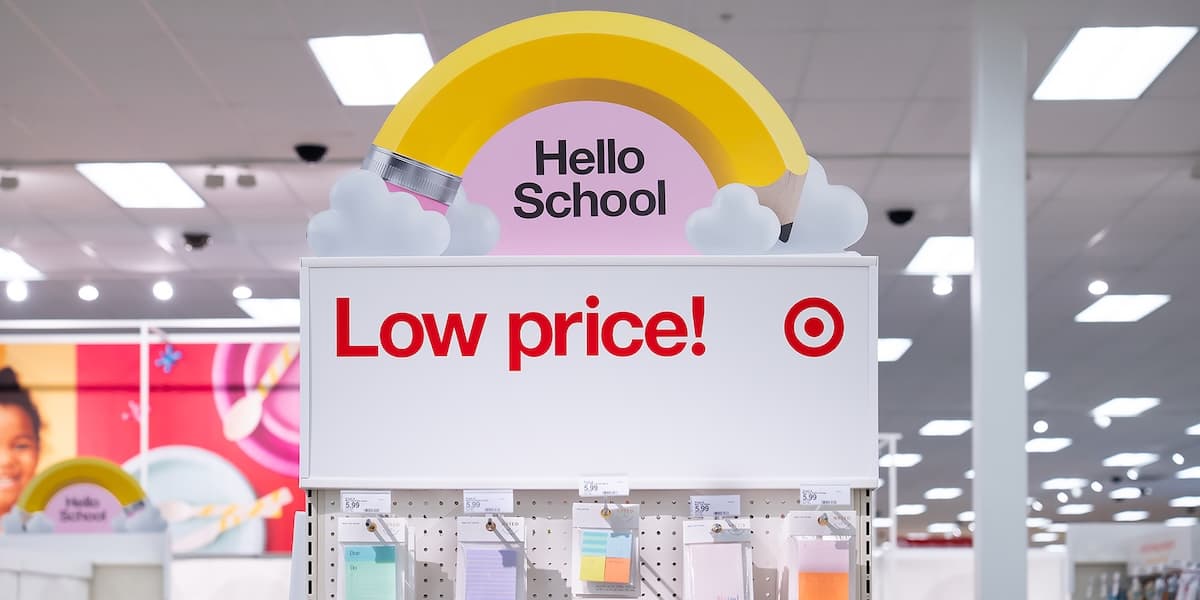
Amazon’s earlier Prime Day this year pushed back-to-school deals into June. With that, competing retailers including Walmart and Target joined in chasing budget-focused shoppers long before school starts.
Source Lens
Industry Context
Useful background context, but lower-priority than direct platform, community, or operator intelligence.
Impact Level
medium
Use this briefing to decide whether your team needs an immediate workflow, policy, or reporting change.
Key Stat / Trigger
No single quantitative trigger surfaced in this report.
Focus on the operational implication, not just the headline.
Full Coverage
New Economic Realities // July 3, 2026 Back-to-school season has become a summer-long event, thanks to an earlier Prime Day By Gabriela Barkho Target Prime Day has become the unofficial start of back-to-school shopping season. And this year, it started earlier than ever. Prime Day took place on June 23-26, a few weeks earlier than its mid-July slot.
The timing is significant because it means that, essentially, back-to-school shopping has now become a summer- long event, with some parents now starting to look for deals in June, rather than waiting until July or even August. Amazon’s push to move up Prime Day by several weeks has caused a ripple effect.
Major retailers like Target and Walmart shifted their competing Prime Day sales back to the end of June and, in turn, used the opportunity to promote their back-to-school offerings.
Smaller startups, meanwhile, increasingly thought about how to use their Prime Day sales to cater to deal-hungry parents, who increasingly want to check more things off of their lists toward the start of summer. Last year, 67% of back-to-school shoppers started in early July, up from 55% in 2024, according to a National Retail Federation survey.
Some of that appears to be due to consumers being more prepared than in previous years. The NRF survey shows that 44% of shoppers had already received school lists by early June, compared with 38% in the prior year.
With this perceived demand emerging ahead of Prime Day sales, retailers and brands have seen an opportunity over the past few weeks to capture sales from customers rushing to lock in discounts rather than pay higher prices later in the summer when schools start up.
According to the latest Coresight Research data, Walmart is already leading in back-to-school traffic, with 59% of shoppers planning to shop there for the season. This is followed by Target, at 39%, and Amazon, at 38%. The larger trend points to a store-led season, Coresight’s report points out, with 82.
5% of shoppers planning to buy back-to-school items in-store “as families prioritize value, convenience, product availability and one-stop shopping.” With inflation reshaping the back-to-school season, shoppers are adapting quickly and strategically.
Among people who expect gas prices to impact how they shop, about half plan to make fewer shopping trips or shop more at one-stop retailers such as Walmart, Target or Amazon. Target Circle Deal Days was a prime example of how retailers have been looking to capture early demand.
The four-day sales event, which the retailer has pegged to Prime Day in recent years, ran from June 23 to June 26. According to Target, the sale offered Circle members up to 45% off back-to-school and college essentials, as well as seasonal items like summer apparel and outdoor gear.
In contrast, last year, Target first unveiled its back-to-school deals in the first half of July. Target said this year’s early discounts were for “helping families make the most of their budgets without compromising on style as they make the most of summer and prep for the school year ahead.”
Aditya Kaushik, analyst at Coresight Research, told Modern Retail that data shows back-to-school shopping is already becoming a summer-long purchasing period. “Early promotional events such as Prime Day, Walmart Deals and Target Circle Week are likely reinforcing that behavior,” Kaushik said.
“We expect some families and students to use these early deal events to stock up on essentials,” said Kaushik, particularly given the ongoing inflation and the appeal of locking in discounts ahead of peak back-to-school season. Kaushik pointed to a Coresight Research’s June survey showing 61.
8% of respondents planned to start their back-to-school shopping before August, which is broadly similar to last year. “However, around one-quarter plan to begin in June or earlier, representing a slight increase from last year and suggesting that some shoppers are moving earlier when they see value,” Kaushik said.
As expected, the size of promotions are playing a role in where consumers are choosing to shop. “Two in five shoppers said coupons, discounts or deal offers will influence which retailers they shop at for back-to-school items,” he said. “That means major retail deal events are not just driving timing, but they are also shaping retailer choice.”
Smaller brands also took a page out of the big retailers’ playbooks by offering deals designed for deal-hungry families during Prime Day. For Prime Day this year, supplements brand Jugo Superfoods offered 40% off several SKUs, including its Kids Daily + Superfoods and Kids Sport + Superfood gummies.
Diana Karpenko, co-founder of Jugo Superfoods, told Modern Retail that the company specifically designed its Prime Day sale to target families stocking up for back-to-school. Much of its messaging was designed around the idea that families can save more by buying more supplements for the whole famil
Original Source
This briefing is based on reporting from Modern Retail. Use the original post for full primary-source context.
Style
Audience